
Delicious Beef Burger – Homemade and Juicy
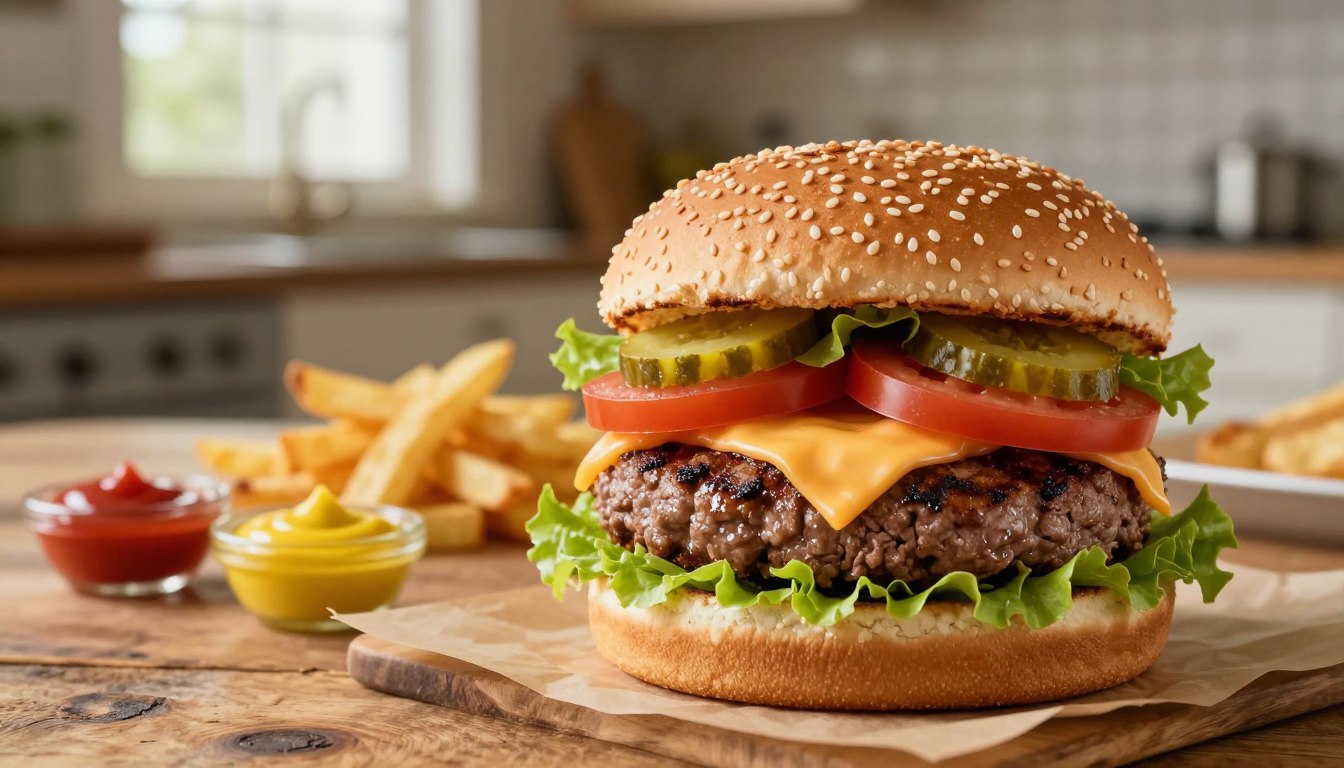
There is nothing quite like the satisfaction of crafting a restaurant-quality meal right in your own kitchen. Mastering the best burger recipe is a fundamental skill that elevates your cooking game and impresses every guest at your table.
When you take the time to select quality ingredients, you transform a simple meal into a culinary event. Creating a delicious beef burger allows you to control every flavor profile, ensuring that each bite is packed with savory goodness.
Whether you are hosting a weekend cookout or enjoying a quiet dinner, knowing how to prepare a Juicy homemade burger is essential. This guide will walk you through the professional techniques needed to achieve the perfect sear and texture for your next Beef Burger.
Key Takeaways
- Select high-quality ground meat with the right fat ratio for optimal flavor.
- Keep your ingredients cold until the moment they hit the hot grill.
- Avoid overworking the meat to ensure a tender and light texture.
- Season your patties generously right before cooking to lock in moisture.
- Let your finished creation rest for a few minutes before serving to maintain its integrity.
The Art of the Perfect Beef Burger
Crafting a truly exceptional beef burger is a pursuit that blends culinary science with personal creativity. When you approach the grill with intention, you transform basic ingredients into a memorable dining experience. Mastering this craft requires patience and a willingness to experiment with different techniques.
Understanding the Science of Juiciness
The secret to a succulent patty lies in the precise management of fat and heat. You must ensure that the fat is evenly distributed throughout the meat to provide moisture during the cooking process. If the heat is too high or inconsistent, the fat renders too quickly, leaving you with a dry result.
Temperature control acts as the bridge between a tough patty and a juicy masterpiece. By maintaining a steady, moderate heat, you allow the proteins to firm up without squeezing out the essential juices. This careful balance is the hallmark of a professional-grade beef burger.
Why Homemade Beats Restaurant Quality
Learning how to make a burger at home gives you complete control over every variable. Unlike mass-produced options found in many restaurants, your kitchen allows for the selection of premium cuts and fresh seasonings. You can tailor the flavor profile to suit your specific preferences, ensuring that every bite is exactly as you desire.
When you discover how to make a burger at home, you avoid the hidden additives often used in commercial settings. This commitment to quality ensures a healthier and more flavorful meal for your family. The following table highlights the key differences between these two approaches.
| Feature | Homemade Burger | Restaurant Burger |
|---|---|---|
| Ingredient Quality | Premium, fresh selection | Often processed or frozen |
| Customization | Fully personalized | Limited menu options |
| Cost Efficiency | High value for money | Expensive markup |
| Control | Total oversight | None |
Selecting the Best Ingredients for Your Beef Burger – Juicy homemade burger
Crafting a Beef Burger – Juicy homemade burger starts long before you fire up the grill. The foundation of any great meal is the quality of the components you bring into your kitchen. By focusing on premium items, you ensure that every bite is packed with flavor and satisfaction.
Choosing the Right Meat-to-Fat Ratio
The most vital element of your patty is the ratio of lean meat to fat. For the best results, aim for an 80/20 blend. This specific balance ensures that your delicious beef burger remains moist and tender while it cooks over high heat.
Fat is the primary carrier of flavor in ground beef. Without enough fat, your patty will dry out quickly and lose its signature texture. Using a higher fat content creates a succulent experience that keeps guests coming back for more.
| Grind Type | Fat Percentage | Best Use |
|---|---|---|
| Lean | 10% | Health-conscious meals |
| Standard | 20% | Ideal for juicy burgers |
| High Fat | 30% | Smash burgers |
The Importance of Freshness and Quality
Always prioritize fresh, high-quality ground beef from a trusted butcher. Fresh meat has a vibrant color and a clean, savory aroma that pre-packaged options often lack. When you start with superior ingredients, you spend less time masking flavors and more time enjoying the natural taste of the beef.
“The quality of your ingredients is the single most important factor in the success of your dish. If you start with excellence, the final result will naturally follow.”
— Culinary Proverb
Selecting the Best Buns for Structural Integrity
A delicious beef burger is only as good as the vessel holding it together. You need a bun that offers enough structural integrity to handle the juices without turning into a soggy mess. Brioche or high-quality potato rolls are excellent choices because they provide a soft texture while maintaining their shape.
Avoid overly airy or brittle bread that might crumble under the weight of your toppings. A sturdy bun acts as the perfect anchor for your Beef Burger – Juicy homemade burger, ensuring that every ingredient stays in place until the very last bite.
Preparing the Meat for Maximum Flavor
If you want to know how to make a burger at home that rivals your favorite bistro, focus on your prep work. The way you handle your raw ingredients determines the final texture and depth of your beef burger. Proper preparation ensures that every bite is tender rather than tough or rubbery.

Handling the Beef Without Overworking It
When you begin shaping your meat, remember that gentle handling is key. Overworking the ground beef causes the proteins to bind together too tightly, which creates a dense, chewy patty. Use your fingertips to lightly form the meat rather than squeezing it into a firm ball.
Think of the process as folding rather than kneading. By keeping the meat loose, you allow heat to circulate through the patty during cooking. This simple technique preserves the natural, airy structure of the beef.
Temperature Control During Preparation
Keeping your ingredients cold is a vital step when learning how to make a burger at home. If the fat in your beef warms up too much before cooking, it will melt and leak out prematurely. This loss of fat results in a dry, flavorless beef burger that lacks the desired juiciness.
Try to keep your meat in the refrigerator until the very last second. If your kitchen is warm, consider placing your mixing bowl over a larger bowl filled with ice. This ensures the fat stays solid until it hits the hot surface of your grill or skillet.
Adding Aromatics and Seasonings
Adding flavor boosters like minced garlic, onion, or fresh herbs can elevate your meal significantly. However, you must incorporate these ingredients carefully to avoid damaging the meat’s texture. Gently fold your aromatics into the beef to ensure they are evenly distributed without over-mixing.
Avoid adding salt directly into the meat mixture until you are ready to cook. Salt draws out moisture and can change the texture of the beef if it sits for too long. Instead, focus on mixing in your dry spices or fresh herbs just before you shape the patties.
| Preparation Step | Goal | Pro Tip |
|---|---|---|
| Handling | Maintain texture | Use a light touch |
| Temperature | Prevent fat loss | Keep meat chilled |
| Seasoning | Enhance flavor | Add salt at the end |
Shaping and Seasoning Your Patties
Once your meat is prepared, the next step involves careful shaping and seasoning. Taking the time to form your patties correctly ensures even cooking and a professional appearance for your juicy homemade burger.

Techniques for Uniform Patty Size
Consistency is the hallmark of a great cook. To achieve uniform patties, use a kitchen scale to weigh each portion of meat before shaping. Aim for six ounces per patty for a standard size that cooks evenly.
If you do not have a scale, a circular ring mold or a clean tuna can with both ends removed works perfectly. This burger patty recipe technique guarantees that every burger hits the heat with the same thickness and diameter.
Creating the Thumbprint Indentation
Have you ever noticed your burgers puffing up into a ball while on the grill? This happens because the proteins contract during the cooking process.
To prevent this, press your thumb firmly into the center of each formed patty to create a shallow indentation. This simple trick keeps the center flat, allowing for a perfectly even sear across the entire surface.
When to Apply Salt and Pepper
Timing your seasoning is just as important as the quality of your ingredients. Salt draws out moisture, so you should only apply it to the exterior of the patties immediately before they touch the heat.
Applying salt too early can result in a dry, tough texture. By seasoning right before cooking, you ensure a delicious crust develops while the interior remains tender.
| Seasoning Method | Timing | Result |
|---|---|---|
| Pre-mixing salt | Before shaping | Tough, sausage-like texture |
| Surface seasoning | Right before cooking | Crispy crust, juicy center |
| Post-cooking | After resting | Lacks depth of flavor |
Following this reliable burger patty recipe approach will elevate your cooking game. Remember that a juicy homemade burger relies on these small, deliberate actions to achieve restaurant-quality results at home.
Mastering the Cooking Technique
Transforming raw ingredients into a masterpiece requires precise heat management. The way you handle the fire or the stovetop will ultimately define the texture and flavor of your juicy homemade burger.
Preheating Your Grill or Cast-Iron Skillet
Before you place your meat on the surface, ensure your equipment is properly heated. A cold pan will cause the meat to steam rather than sear, which ruins the crust.
For the best results, follow these preparation steps:
- Preheat your cast-iron skillet over medium-high heat until it begins to shimmer.
- If using a grill, clean the grates thoroughly and oil them lightly to prevent sticking.
- Wait until the surface is hot enough to create a sizzling sound the moment the meat touches it.
Determining Doneness Without Cutting the Meat
Many home cooks make the mistake of slicing into their patties to check the color. This action releases the flavorful juices and dries out your burger patty recipe.
Instead, rely on these professional methods to gauge internal temperature:
- The Touch Test: Press the center of the patty with your finger. A rare burger feels soft, while a well-done burger feels firm.
- Instant-Read Thermometer: Insert the probe into the side of the patty. Aim for 160°F for a safe, medium-well finish.
The Role of Resting Your Burger
Once your meat reaches the desired temperature, remove it from the heat immediately. Do not serve it right away, as the internal juices need time to redistribute throughout the fibers.
Letting your creation rest for about three to five minutes is a vital part of any successful burger patty recipe. This simple pause ensures that every bite remains tender and flavorful, providing the ultimate juicy homemade burger experience you desire.
Choosing the Right Bun and Condiments
Transforming a simple patty into a gourmet burger requires careful attention to your bun and condiment choices. The assembly process is where your hard work in the kitchen truly pays off, turning basic ingredients into a memorable meal.
Toasting Your Buns for Texture
Never underestimate the power of a properly toasted bun. By lightly searing the cut sides of your bread, you create a crucial moisture barrier that prevents juices from soaking through and making the bun soggy.
This simple step ensures your flavorful burger remains easy to handle from the first bite to the last. A toasted bun also adds a delightful crunch that contrasts beautifully with the tender meat.
Balancing Acid, Creaminess, and Crunch
A truly balanced bite relies on the interplay of different textures and flavor profiles. You should aim to combine acidic elements, like pickles or pickled onions, with rich, creamy sauces to cut through the fat of the beef.
Adding fresh, crunchy vegetables like crisp lettuce or raw onions provides a necessary structural contrast. This harmony of elements is what elevates a standard sandwich into a sophisticated culinary experience.
Essential Condiments for a Gourmet Experience
Selecting the right condiments allows you to customize your meal to your personal preferences. Whether you prefer a tangy mustard or a rich, house-made aioli, these additions define the final character of your dish.
Use the following table to help you pair your ingredients for the best results:
| Condiment Type | Flavor Profile | Best Pairing |
|---|---|---|
| Classic Ketchup | Sweet and Tangy | American Cheese |
| Garlic Aioli | Rich and Creamy | Caramelized Onions |
| Spicy Mustard | Sharp and Bold | Sharp Cheddar |
| Pickled Relish | Acidic and Bright | Crisp Lettuce |
Creative Homemade Burger Toppings to Elevate Your Meal
Customizing your sandwich with unique flavors allows you to showcase your personal culinary style. By selecting the right ingredients, you can transform a standard patty into a flavorful burger that stands out at any dinner table. Whether you are hosting a backyard barbecue or enjoying a quiet meal at home, these additions provide the perfect finishing touch.
Classic Toppings for Traditionalists
Sometimes, the best approach is to stick with the time-tested favorites that everyone loves. A slice of sharp cheddar or creamy American cheese melted perfectly over the meat creates a rich, savory base. You can also add crisp lettuce, vine-ripened tomatoes, and thinly sliced red onions to provide that essential crunch and brightness.
These traditional staples ensure that your meal remains familiar yet satisfying. When you use high-quality versions of these basics, you elevate the entire experience without overcomplicating the flavor profile.
Gourmet Additions for a Modern Twist
If you want to impress your guests, consider experimenting with more sophisticated homemade burger toppings. Caramelized onions offer a deep, sweet complexity that pairs beautifully with the savory beef. You might also try adding a dollop of truffle aioli or a slice of creamy brie to create a truly gourmet burger.
These modern ingredients allow you to tailor your meal to specific dietary preferences or adventurous palates. By balancing bold flavors, you ensure that every bite is memorable and distinct.
Vegetable Pairings for Freshness
Adding fresh vegetables is an excellent way to cut through the richness of the beef. A handful of peppery arugula or pickled jalapeños can add a necessary kick to your creation. These elements provide a vibrant contrast that keeps your palate engaged throughout the meal.
The following table highlights how different toppings can change the character of your gourmet burger:
| Topping Category | Flavor Profile | Best For |
|---|---|---|
| Classic Cheese | Rich and Savory | Traditionalists |
| Caramelized Onions | Sweet and Deep | Modern Twists |
| Pickled Vegetables | Acidic and Bright | Adding Freshness |
| Truffle Aioli | Earthy and Creamy | Sophisticated Palates |
Conclusion
Creating a restaurant-quality meal in your own kitchen brings a unique sense of satisfaction. You now possess the skills to transform simple ingredients into a culinary masterpiece that highlights your personal style.
Your journey toward the best burger recipe relies on your attention to detail and your willingness to experiment. Every choice you make from the meat selection to the final sear impacts the overall flavor profile.
Do not hesitate to explore creative homemade burger toppings to keep your menu exciting. Whether you prefer sharp cheddar from Tillamook or a tangy aioli, these additions define your signature dish.
Share your creations with friends and family to see how your new techniques elevate the dining experience. Your ability to balance textures and flavors will impress anyone at your table.
Keep refining your process with each cookout. You are ready to host the ultimate backyard gathering with confidence and flair.
FAQ
What is the secret to the best burger recipe for a juicy result?
The foundation of the best burger recipe lies in the fat content. To ensure a juicy homemade burger, you should always aim for an 80/20 meat-to-fat ratio using high-quality Certified Angus Beef. This specific balance ensures that as the fat renders during the cooking process, it bastes the meat from the inside out, providing that signature succulent texture you find in high-end restaurants.
How to make a burger at home that doesn’t fall apart on the grill?
When learning how to make a burger at home, the key to structural integrity is minimal handling and proper temperature control. You should shape your patties while the meat is still cold from the refrigerator to prevent the fat from melting. Additionally, avoid overworking the beef; simply press the meat together until it holds its shape. For a professional beef burger, use a sturdy bun like Martin’s Famous Potato Rolls to support the weight of the meat and toppings.
What is the most effective burger patty recipe technique for even cooking?
A common issue with any burger patty recipe is the “football effect,” where the center of the meat bulges during cooking. To prevent this and ensure your delicious beef burger cooks evenly, use your thumb to create a shallow indentation in the center of the raw patty. This allows the meat to expand upward without losing its flat shape, ensuring your flavorful burger sits perfectly on the bun.
When should I season my beef burger to get the best crust?
You should only apply salt and pepper to your beef burger immediately before it hits the heat. If you mix salt into the raw meat too early, it begins to break down the proteins, resulting in a springy, sausage-like texture rather than a tender, flaky patty. For a truly gourmet burger, use coarse Kosher salt and freshly cracked black pepper to create a savory, caramelized crust on a Lodge Cast Iron skillet.
What are the best homemade burger toppings for a gourmet experience?
Elevating your meal with creative homemade burger toppings is what separates a standard meal from a gourmet burger. Consider using aged Tillamook Sharp Cheddar, caramelized balsamic onions, or a swipe of Hellmann’s Real Mayonnaise mixed with truffle oil. For added crunch and acidity, fresh arugula and thick-cut pickles provide the perfect balance to the richness of a delicious beef burger.
Why is resting the meat important for a flavorful burger?
Just like a high-end steak, a flavorful burger needs time to rest after it leaves the heat. Allowing your juicy homemade burger to sit for about three to five minutes allows the internal juices to redistribute throughout the meat fibers. If you bite into it too soon, those precious juices will run out onto the plate, leaving you with a dry patty instead of a moist and delicious beef burger.