
Delicious Sticky Hoisin Beef Recipe for Dinner Tonight
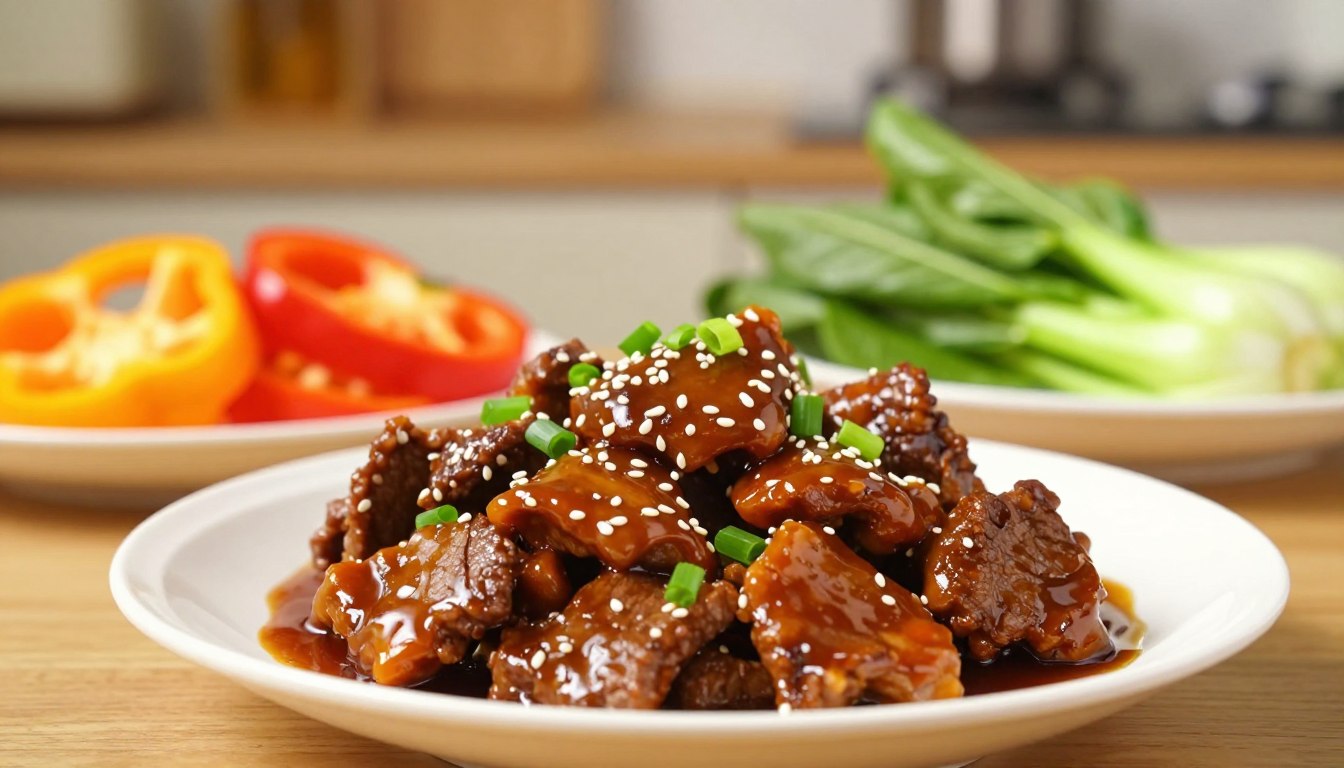
Are you searching for a fast and flavorful meal to brighten your weeknight? This Sticky Hoisin Beef is the perfect solution for busy families who crave a restaurant-quality dinner at home. By combining high-quality protein with a rich, glossy sauce, you can create a meal that is both satisfying and simple to prepare.
Our tender beef recipe focuses on quick skillet techniques that lock in moisture and flavor. You will love how easily these ingredients come together in your own kitchen. Whether you are a novice cook or a seasoned pro, this dish offers a reliable way to impress your guests without spending hours over the stove.
In this guide, we explore the best methods for searing your protein and balancing sweet and savory notes. We also provide helpful tips on storage, serving suggestions, and easy ways to customize your bowl. Get ready to master this sticky hoisin beef and elevate your dinner routine starting tonight.
Key Takeaways
- Learn the secret to achieving a perfectly glossy and savory sauce.
- Discover efficient skillet techniques for a faster cooking process.
- Find out how to store leftovers to maintain optimal texture.
- Explore simple ingredient swaps to suit your personal taste.
- Get expert tips on pairing your meal with fresh sides.
Ingredients and Preparation for Sticky Hoisin Beef
Achieving that perfect, tender texture in your stir-fry depends entirely on how you prepare your beef and sauce. When you follow the right steps, you ensure every bite of this beef recipe is succulent and flavorful.
Selecting a Tender Cut of Beef
Best Cuts for a Quick Stir-Fry
For the best results, choose cuts that are naturally tender and cook quickly over high heat. Flank steak, sirloin, or skirt steak are excellent choices because they absorb marinades beautifully. These cuts provide the ideal balance of flavor and texture for a fast-paced stir-fry.
How to Slice Beef Thinly Against the Grain
Slicing your meat correctly is the secret to a tender final dish. Always look for the lines of muscle fiber running through the meat, known as the grain. Use a sharp knife to cut perpendicular to these fibers, which shortens them and makes the beef much easier to chew.

Gathering the Sauce and Stir-Fry Ingredients
Hoisin Sauce, Soy Sauce, and Aromatics
The heart of this dish lies in the balance of your sauce components. You will need a high-quality hoisin sauce to provide that signature sweet and savory depth. Combine it with soy sauce, fresh ginger, and minced garlic to create a bold, aromatic base that coats the meat perfectly.
Optional Vegetables and Garnishes
Adding fresh vegetables brings color and crunch to your plate. Consider including these items for a well-rounded meal:
- Snap peas or broccoli florets
- Sliced bell peppers for sweetness
- Green onions for a sharp finish
- Toasted sesame seeds for texture
Preparing the Beef for Browning
Using Cornstarch for a Light, Crisp Coating
Tossing your sliced beef in a light dusting of cornstarch is a professional technique that makes a big difference. This creates a thin, protective barrier that helps the meat brown beautifully while locking in natural juices. It also helps the hoisin sauce cling to the beef, ensuring every piece is well-coated.
Marinating Without Making the Beef Watery
Keep your marinade simple to avoid drawing too much moisture out of the meat before cooking. A quick toss with a splash of soy sauce and a teaspoon of oil is usually enough to season the beef. Avoid adding acidic ingredients like vinegar or citrus too early, as these can change the texture of the meat if left for too long.
How to Cook Sticky Hoisin Beef in a Skillet
Mastering the skillet method is the secret to a perfect asian beef dish. By controlling your heat and timing, you can achieve a professional-grade result in your own kitchen.
Mix the Glossy Hoisin Sauce
Balancing Sweet, Salty, Tangy, and Spicy Flavors
Before you start the heat, whisk your sauce ingredients in a small bowl. A great sauce relies on the harmony of sweet hoisin, salty soy sauce, tangy rice vinegar, and a hint of spice. Taste your mixture to ensure the profile matches your personal preference.
Adjusting the Sauce for Your Preferred Heat Level
If you enjoy a bolder kick, add extra chili garlic sauce or sriracha to the bowl. You can always increase the heat later, so start with a conservative amount to keep the flavors balanced.
Brown the Beef in Small Batches
Heating the Pan for Proper Searing
Get your skillet very hot before adding the meat. A high-heat sear is essential for developing a deep, caramelized crust on the surface of the beef.

Preventing Steaming and Tough Texture
Avoid overcrowding the pan, as this causes the meat to release moisture and steam instead of browning. By cooking in small batches, you ensure each piece develops a tender texture rather than becoming chewy.
Cook the Aromatics and Vegetables
When to Add Garlic, Ginger, and Green Onions
Once the beef is browned, remove it and add your aromatics to the same pan. Sauté the garlic, ginger, and the white parts of the green onions for about thirty seconds until they become fragrant.
Keeping Vegetables Crisp-Tender
Add your chosen vegetables next, tossing them quickly over high heat. You want them to retain a satisfying crunch, so do not overcook them at this stage of your stir-fry beef recipe.
Coat the Beef in the Sticky Sauce
Simmering Until the Sauce Thickens
Pour your prepared sauce into the skillet with the vegetables. Let it simmer for a minute until it bubbles and thickens into a glossy, sticky glaze.
Returning the Beef to the Pan Without Overcooking
Add the browned beef back into the pan and toss everything together for just a few seconds. This final step coats the meat thoroughly without drying it out.
Check Doneness and Finish the Dish
Using Beef Temperature and Texture as Guides
The beef should be cooked through but still succulent. If you are unsure, check that the meat is opaque and tender to the touch.
Adding Sesame Seeds, Scallions, or Red Pepper Flakes
Remove the pan from the heat immediately to stop the cooking process. Garnish your stir-fry beef recipe with toasted sesame seeds, sliced scallions, or red pepper flakes for a beautiful, restaurant-style presentation.
Serving This Savory Asian Beef Dinner
Serving this meal is an art form that balances deep, umami-rich flavors with light, refreshing sides. To create a truly memorable savory beef dish, you must consider how different textures and temperatures interact on the plate.
Choosing the Best Side Dishes
Steamed White Rice, Brown Rice, and Fried Rice
The most classic way to serve this meal is over a bed of fluffy grains. Steamed white jasmine rice provides a neutral canvas that absorbs the excess sauce perfectly. If you prefer a nuttier profile, brown rice adds a hearty texture that stands up well to the bold hoisin glaze.
Pairing With Noodles or Cauliflower Rice
For a different experience, try serving the beef over thin rice noodles or lo mein. These absorb the sauce beautifully, making every bite flavorful. If you are looking for a lighter option, cauliflower rice is an excellent low-carb substitute that still provides a satisfying base.
Adding Fresh Contrast to the Rich Sauce
Cucumber Salad and Quick-Pickled Vegetables
Because the hoisin sauce is quite rich, you need acidic elements to cut through the sweetness. A simple cucumber salad tossed in rice vinegar and sesame oil offers a crisp, cooling bite. Quick-pickled carrots or radishes also provide a bright, tangy crunch that cleanses the palate.
Steamed Broccoli and Other Easy Vegetable Sides
Steamed broccoli is a staple for a reason, as its florets are designed to hold onto the sticky sauce. You can also stir-fry snap peas or bok choy for a vibrant green addition. These vegetables ensure your savory beef dish remains a balanced and nutritious dinner.
Plating Sticky Hoisin Beef for Dinner
Keeping the Sauce Glossy and Visible
Presentation matters when you want to impress your guests. Always spoon the beef over your base rather than mixing it in completely. This keeps the glossy, dark sauce visible and prevents the dish from looking muddy.
Finishing With Fresh Herbs and Crunchy Toppings
The final touch involves adding layers of texture and color to your plate. Consider these popular finishing options:
- Sliced scallions for a sharp, oniony bite.
- Toasted sesame seeds for a nutty aroma.
- Fresh cilantro to add a bright, herbal note.
- Crushed peanuts for an extra layer of crunch.
Helpful Tips for Storing and Customizing the Recipe
Mastering the art of leftovers ensures your delicious beef recipe remains just as flavorful the next day. Proper handling keeps the meat tender and the sauce glossy for your next meal.
Store and Reheat Leftover Beef Safely
Refrigerating the Beef and Sauce
Place any remaining portions into an airtight container once the food has cooled to room temperature. You can safely store this dish in the refrigerator for up to three days.
Reheating Without Drying Out the Meat
To keep the beef succulent, reheat it gently in a skillet over low heat with a splash of water or broth. Avoid using the microwave, as it often makes the meat tough and chewy.
Make the Beef Recipe Fit Your Preferences
Adding Vegetables for a Complete One-Pan Meal
Boost the nutritional value by tossing in snap peas, bell peppers, or broccoli florets. These additions turn your delicious beef recipe into a hearty, balanced dinner for the whole family.
Making the Sauce Less Sweet, Less Salty, or Spicier
If you prefer a milder profile, reduce the hoisin sauce and add a bit more low-sodium soy sauce. For those who crave heat, stir in a teaspoon of chili garlic sauce or fresh sliced jalapeños during the final minute of cooking.
Solve Common Stir-Fry Problems
What to Do When the Sauce Is Too Thin
If your sauce lacks body, whisk a teaspoon of cornstarch with a tablespoon of cold water. Pour this slurry into the pan and simmer until the liquid thickens to your desired consistency.
How to Fix Tough or Overcooked Beef
Toughness usually stems from overcooking or slicing against the grain incorrectly. Always slice your beef thinly across the grain to ensure maximum tenderness in every bite.
Preventing a Burnt Sauce or Sticky Pan
Stir-fry cooking requires high heat, which can lead to sticking if the pan is not properly seasoned. Follow these tips to maintain a smooth cooking process:
- Ensure your pan is thoroughly preheated before adding oil.
- Keep the ingredients moving constantly to prevent hot spots.
- Add a small amount of water or broth if the sauce begins to reduce too quickly.
With these simple adjustments, you can confidently prepare this delicious beef recipe time and time again.
Conclusion
Creating a restaurant-quality meal at home is simpler than you might imagine. By focusing on thin slices of beef and precise browning techniques, you turn basic ingredients into an easy beef dinner that satisfies every craving.
The magic happens when you combine that tender protein with a glossy, sweet-savory sauce. Adding the sauce at the perfect moment ensures your dish maintains the ideal texture and flavor profile. This method guarantees a professional result every time you step into the kitchen.
You hold the power to make this recipe your own. Feel free to swap in your favorite seasonal vegetables or adjust the spice level to suit your personal taste. Whether you serve it over fluffy jasmine rice or with crisp snap peas, this easy beef dinner adapts to your needs.
Experiment with different garnishes like toasted sesame seeds or fresh green onions to elevate the presentation. Your family will appreciate the effort you put into crafting such a flavorful and balanced meal. Start cooking tonight and enjoy the process of building a delicious, homemade feast.
FAQ
What is the best cut of meat to use for a tender beef recipe?
For the most successful sticky hoisin beef, you should choose quick-cooking, tender cuts such as flank steak, skirt steak, or top sirloin. To ensure your beef recipe remains melt-in-your-mouth tender, always slice the meat thinly against the grain, which breaks up the muscle fibers and prevents chewiness.
How do I get that signature glossy coating for this savory beef dish?
The key to a professional-looking asian beef dish is the combination of Lee Kum Kee Hoisin Sauce and a light dusting of cornstarch on the beef before searing. The cornstarch acts as a thickener, allowing the hoisin sauce to emulsify into a rich, velvety glaze that clings perfectly to every strip of meat.
Can I add vegetables to make this a complete stir-fry beef recipe?
Yes, this delicious beef recipe is highly customizable. You can easily turn it into a one-pan meal by adding broccoli florets, red bell peppers, or sugar snap peas. For the best results, sauté the vegetables after browning the beef but before adding the sauce to ensure they stay crisp-tender.
What are the best side dishes to serve with this easy beef dinner?
To balance the deep, sweet-savory flavors of this savory beef dish, serve it over a bed of steamed Jasmine rice or brown rice. For a low-carb alternative, cauliflower rice works beautifully. Adding a side of quick-pickled cucumbers seasoned with Marukan Rice Vinegar provides a refreshing acidity that cuts through the richness of the sauce.
How do I prevent the beef from becoming tough when browning?
To maintain the integrity of your tender beef recipe, you must brown the meat in small batches. If you crowd the skillet, the temperature drops and the beef will steam in its own juices rather than searing. High heat and a quick sear are essential for developing flavor without overcooking the interior.
What is the best way to store and reheat leftovers?
You can store leftovers in an airtight Glasslock or Pyrex container in the refrigerator for up to three days. When reheating your easy beef dinner, do so gently in a skillet over medium-low heat with a tablespoon of water or beef broth. This thins out the hoisin sauce and prevents the meat from drying out or becoming rubbery.
My sauce is too thin; how can I fix it?
If your asian beef dish has a sauce that isn’t sticking, simply let it simmer for an extra minute or two to reduce. If it still needs help, whisk a teaspoon of Argo Cornstarch with a tablespoon of water to create a slurry, then stir it into the bubbling sauce until you reach your desired “sticky” consistency.