
How to Make Juicy Oven-baked Kebabs Every Time
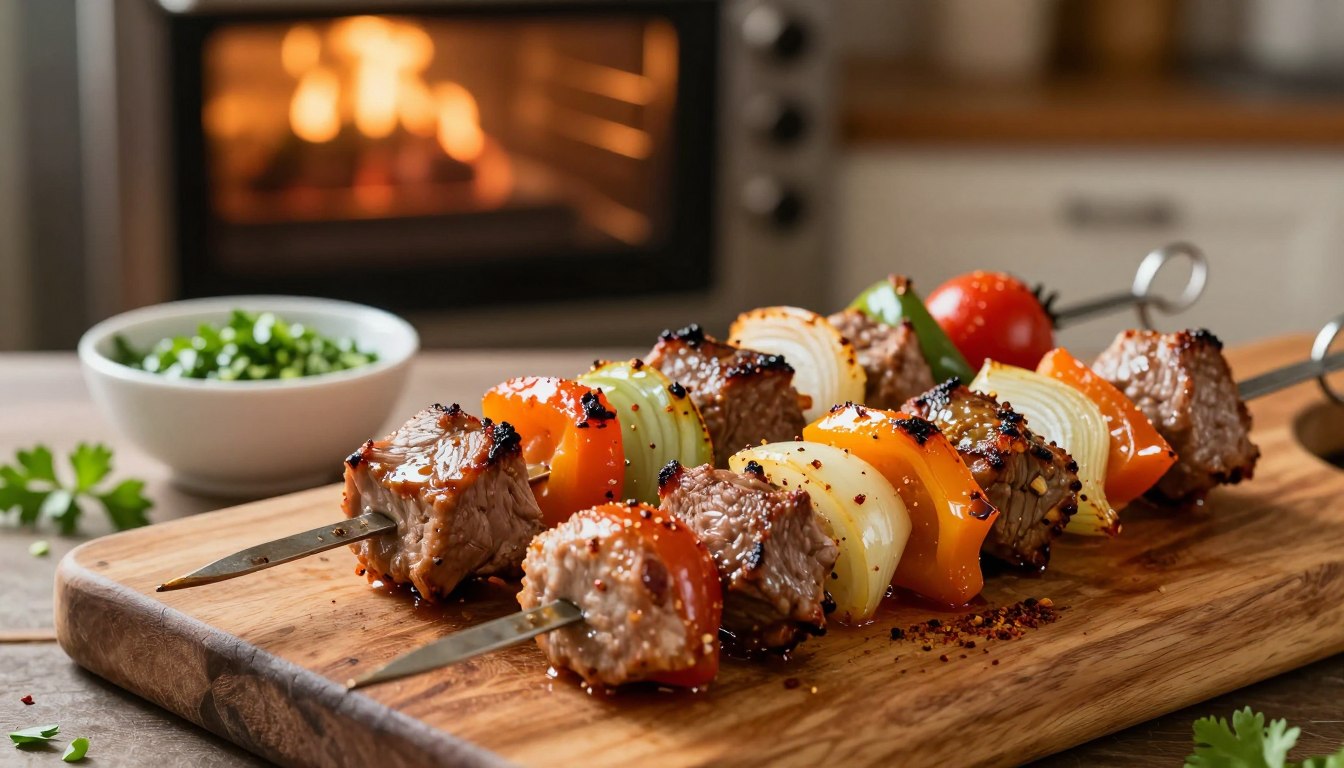
Preparing juicy oven-baked kebabs at home is a rewarding way to enjoy a restaurant-quality meal without firing up the grill. Many people struggle with dry meat or unevenly cooked vegetables, but achieving perfection is simpler than you might think. By mastering a few basic techniques, you can elevate your delicious kebab recipes and impress your dinner guests.
The secret lies in your preparation. You must cut your ingredients into uniform pieces to ensure they cook at the same rate. Controlling moisture is equally vital for achieving that perfect, golden-brown finish. Always use a meat thermometer to verify your progress; chicken should reach an internal temperature of 165°F to remain safe and tender.
Thoughtful planning prevents common pitfalls like charred edges or raw centers. With these reliable methods, you will consistently produce flavorful results that keep everyone coming back for seconds.
Key Takeaways
- Cut meat and vegetables into uniform sizes for even cooking.
- Use a meat thermometer to ensure chicken reaches 165°F.
- Control moisture levels to prevent the ingredients from drying out.
- Proper preparation is the foundation of consistent, high-quality results.
- Avoid overcrowding the skewers to allow for better heat circulation.
Gather Ingredients and Choose the Right Kebab Components
Creating restaurant-quality food at home begins with choosing high-quality ingredients. When you focus on the foundation of your dish, you ensure that your easy kebab recipes turn out delicious every single time. Proper preparation is the key to success in the kitchen.
Select Tender, Evenly Sized Meat
Best Cuts for Succulent Meat Kebabs
To achieve succulent meat kebabs, you must select cuts that remain tender under high heat. Boneless chicken thighs, sirloin, tenderloin, and leg of lamb are excellent choices because they contain enough fat to stay juicy. These cuts handle the dry heat of an oven much better than leaner options like chicken breast.
How Uniform Pieces Promote Even Cooking
Consistency is vital when you prepare your ingredients. You should cut your meat into uniform, bite-sized cubes to ensure they finish cooking at the same time. If your pieces vary in size, smaller chunks will dry out while larger ones remain raw in the center.

Choose Vegetables That Roast at a Similar Rate
Bell Peppers, Onions, Mushrooms, and Zucchini
Selecting vegetables that share similar moisture levels and cooking times makes the process much smoother. Bell peppers, onions, mushrooms, and zucchini are perfect companions because they soften at a comparable rate. This combination provides a beautiful balance of color, texture, and flavor for your skewers.
When to Par-Cook Dense Vegetables
If you prefer to include denser vegetables like potatoes or carrots, you should par-cook them first. Boiling these items for a few minutes ensures they become tender alongside your meat. Without this step, you might end up with crunchy, undercooked vegetables while your meat is already finished.
| Meat Cut | Tenderness | Cooking Time |
|---|---|---|
| Sirloin | High | Medium |
| Chicken Thigh | Very High | Fast |
| Leg of Lamb | High | Medium-Slow |
Prepare Wooden or Metal Skewers for the Oven
Soaking Wooden Skewers Safely
If you choose to use wooden skewers, you must soak them in water for at least 30 minutes before assembly. This simple safety practice prevents the wood from burning or catching fire inside your hot oven. Metal skewers are a great alternative because they are reusable and do not require soaking.
Spacing Ingredients for Better Browning
Proper spacing is essential for achieving a perfect sear on all sides of your food. Do not pack your ingredients too tightly, as this prevents the hot air from circulating around each piece. Leaving a small gap between items allows for better browning and ensures your succulent meat kebabs cook evenly throughout.
Build Flavor with a Moisture-Boosting Kebab Marinade
Transforming simple ingredients into a gourmet meal begins with the right marinade. A well-balanced soak does more than just add flavor; it ensures your meat remains succulent throughout the high-heat roasting process.
Exploring various kebab marinade ideas allows you to customize your meal to suit any palate. Whether you prefer bright, citrusy notes or deep, earthy spices, the foundation remains the same.
Combine the Essential Marinade Ingredients
Oil for Moisture and Browning
Oil acts as a vital carrier for your spices and herbs. It coats the surface of the meat, which helps conduct heat evenly and promotes a beautiful, golden-brown crust in the oven.
Acid, Dairy, and Other Tenderizing Ingredients
Acids like lemon juice or vinegar break down tough muscle fibers, while dairy products like yogurt provide a gentle tenderizing effect. These components ensure that even leaner cuts of meat stay juicy after baking.
Homemade Kebab seasoning with Garlic, Herbs, and Spices
Creating your own homemade kebab seasoning allows you to control the intensity of flavors. Fresh garlic, dried oregano, and aromatic spices create a complex profile that store-bought mixes often lack.

Use Marinade Ideas for Different Kebab Styles
Lemon-Herb Marinade for Chicken and Vegetables
A blend of olive oil, fresh lemon juice, and chopped parsley works wonders for lighter proteins. This combination keeps vegetables crisp and prevents chicken from drying out.
Yogurt-Based Marinade for Tender Chicken or Lamb
Yogurt is the secret to achieving restaurant-quality tenderness in lamb or chicken. The lactic acid works slowly to soften the meat, resulting in a melt-in-your-mouth texture.
Smoky Paprika and Cumin Marinade for Beef
For a bolder profile, use a mix of smoked paprika and cumin. These spices provide a deep, savory warmth that pairs perfectly with the natural richness of beef.
“Cooking is like painting or writing a song. Just as there are only so many notes or colors, there are only so many flavors—it’s how you combine them that sets you apart.”
Wolfgang Puck
Marinate the Meat Without Creating Food Safety Risks
Recommended Marinating Times
Chicken and lamb benefit from several hours of marinating to fully absorb the flavors. However, be careful with highly acidic mixtures, as they can turn meat mushy if left for too long.
How to Reserve Sauce for Serving
Always set aside a portion of your homemade kebab seasoning mixture before adding the raw meat. This clean sauce can be used as a flavorful dip or drizzle once the kebabs are finished cooking.
Why You Should Never Reuse Raw Meat Marinade
Never serve the liquid that has been in contact with raw meat unless it has been boiled thoroughly. Food safety is paramount, so discard any leftover marinade that touched raw ingredients to avoid cross-contamination.
Assemble Juicy Oven-baked Kebabs for Even Cooking
Achieving even cooking in the oven starts long before you turn on the heat. When you follow a structured assembly process, you ensure that every bite of your favorite skewer recipes reaches the perfect level of tenderness.
Cut and Season Every Ingredient Consistently
Ideal Piece Sizes for Meat and Produce
Uniformity is the foundation of success when preparing kebabs. Aim to cut your meat and vegetables into consistent pieces, ideally between one and one-and-a-half inches in size.
This specific size allows the heat to penetrate the center of the food at the same rate. When pieces vary wildly in size, smaller bits dry out while larger chunks remain undercooked.
Patting Ingredients Dry Before Skewering
Before you begin threading, take a moment to pat your ingredients dry with paper towels. Removing excess surface moisture is essential for achieving a beautiful, flavorful sear.
“The secret to a perfect roast is dry heat; moisture is the enemy of browning.”
If you skip this step, the excess water will create steam in the oven. Steaming prevents the Maillard reaction, which is responsible for the delicious, caramelized crust on your meat.
Thread the Skewers with Proper Spacing
How to Alternate Meat and Vegetables
When threading your skewers, alternate between meat and vegetables to create a balanced flavor profile. This technique allows the juices from the meat to baste the vegetables as they roast.
Why Crowding Prevents Roasting
Avoid the temptation to pack your ingredients too tightly together. Proper airflow is necessary for the hot air to circulate around every side of the food.
When ingredients are crowded, they trap moisture and prevent the oven from doing its job effectively. Leave a small gap between each piece to ensure your skewer recipes cook evenly and quickly.
Prepare the Baking Sheet and Oven Rack
Using a Wire Rack for Heat Circulation
Place a wire rack inside your baking sheet to elevate the kebabs. This setup allows hot air to flow underneath the food, ensuring that the bottom of the skewer browns just as well as the top.
Using Foil to Simplify Cleanup
Line the bottom of your baking sheet with aluminum foil before inserting the wire rack. This simple trick catches any dripping marinades or juices, making your post-cooking cleanup incredibly fast.
Positioning Skewers Above the Pan Without Drips
Ensure your skewers are positioned so that they rest securely on the edges of the rack. By keeping the meat elevated above the pan, you prevent the ingredients from sitting in their own juices, which keeps the texture firm and delicious.
Cook the Kebabs in the Oven for Browning and Tenderness
Mastering the oven environment is the secret to creating flavorful oven-baked kebabs that rival any outdoor grill. By controlling the heat and timing, you ensure that every piece of meat and vegetable reaches its peak potential.
Preheat the Oven and Select the Cooking Temperature
When to Use 425°F for Roasting
Setting your oven to 425°F is a practical choice for most recipes. This high heat promotes rapid browning while allowing the center of the meat and vegetables to cook through steadily without drying out.
When Broiling Helps Create Charred Edges
If you prefer a deeper, smoky flavor, use the broiler during the final two minutes of cooking. Keep a close eye on your skewers, as the intense heat can quickly turn a beautiful char into a burnt mess.
Follow the Cooking Sequence
Arrange the Skewers Before They Enter the Oven
Place your skewers on a wire rack set over a baking sheet to allow hot air to circulate underneath. This simple step ensures that your flavorful oven-baked kebabs cook evenly on all sides.
Turn the Kebabs for Even Browning
Rotate your skewers halfway through the cooking process to achieve a uniform golden-brown color. Using tongs makes this task quick and safe, preventing the ingredients from sliding off the stick.
Brush with Fresh Sauce Only at the Right Time
Apply your final layer of glaze or sauce during the last few minutes of roasting. Adding sugary sauces too early can cause them to burn before the meat is fully cooked.
Check Doneness with a Food Thermometer
Safe Internal Temperature for Chicken
Always use a digital meat thermometer to verify that your chicken has reached a safe internal temperature of 165°F. This ensures the meat is juicy and completely cooked through.
Safe Internal Temperatures for Beef and Lamb
For beef and lamb, you can pull the skewers from the oven at lower temperatures depending on your preference for doneness. Aim for 135°F for medium-rare or 145°F for medium.
How Carryover Cooking Affects the Final Texture
Remember that the internal temperature will continue to rise by about 5 degrees after you remove the tray from the oven. Account for this carryover cooking to avoid overshooting your target temperature.
Prevent Dry Meat and Burned Vegetables
Adjusting Cooking Time for Smaller or Larger Pieces
If you have cut your ingredients into smaller, bite-sized pieces, reduce the total roasting time by several minutes. Larger chunks will require the full duration to ensure the center is tender.
Using Foil When Ingredients Brown Too Quickly
If you notice the edges of your vegetables or meat browning faster than the rest, loosely tent a piece of aluminum foil over the tray. This protects the surface while the interior continues to cook.
Removing Finished Vegetables Before They Overcook
Sometimes, delicate vegetables like bell peppers or zucchini finish faster than dense proteins. Feel free to remove the skewers and slide off the finished pieces, or simply pull the entire skewer early if the vegetables reach your desired texture first.
Rest, Serve, and Troubleshoot Flavorful Oven-baked Kebabs
Proper handling after cooking ensures your homemade skewers taste just like professional, tasty grilled kebabs. Taking a few extra minutes to prepare your meal for the table makes a significant difference in texture and presentation.
Rest the Kebabs Before Serving
Why Resting Helps Retain Juices
Once you remove the tray from the oven, let the skewers rest for approximately five minutes. This short pause allows the internal juices to redistribute throughout the meat fibers. If you cut into the protein immediately, the moisture will escape, leaving you with a dry result.
When to Remove Ingredients from the Skewers
Wait until the resting period concludes before sliding the meat and vegetables off the metal or wooden sticks. This timing ensures the ingredients remain intact and succulent. Patience is the secret ingredient to maintaining the quality of your meal.
Pair the Kebabs with Fresh Sides and Sauces
Rice, Warm Flatbread, and Roasted Potatoes
Serve your skewers alongside hearty sides that complement the charred flavors. Consider these classic pairings to round out your dinner:
- Fluffy basmati or jasmine rice
- Warm, pillowy pita or naan bread
- Crispy, herb-seasoned roasted potatoes
Tzatziki, Garlic Sauce, and Fresh Herb Garnishes
Adding a cool, creamy element provides a necessary contrast to the heat of the oven. A dollop of tzatziki or a zesty garlic sauce elevates the overall flavor profile. Finish the dish with a sprinkle of fresh parsley or cilantro for a bright, aromatic touch.
Fix Common Kebab Problems
Even experienced cooks encounter minor issues when preparing skewers. Use the following guide to troubleshoot and improve your future batches of tasty grilled kebabs.
| Problem | Likely Cause | Simple Solution |
|---|---|---|
| Dry or Tough Meat | Overcooking | Use a thermometer to pull meat at the correct temperature. |
| Soggy Vegetables | Crowding or excess moisture | Space ingredients out to allow air circulation. |
| Sticking | Insufficient oil or cold surface | Lightly oil the rack and preheat the tray thoroughly. |
Dry or Tough Meat
If your meat feels tough, you likely left it in the oven for too long. Always rely on a food thermometer rather than just the clock to ensure the protein stays tender.
Soggy Vegetables
Vegetables become mushy when they are crowded on the skewer or the baking sheet. Ensure there is enough space between pieces so the heat can properly caramelize the surfaces instead of steaming them.
Uneven Browning or Sticking
Sticking usually happens when the surface is not hot enough or lacks a light coating of oil. Always preheat your baking sheet and lightly brush your ingredients with oil before they hit the heat.
Conclusion
Creating restaurant-quality meals in your own kitchen starts with mastering the fundamentals of heat and preparation. You now possess the knowledge to select uniform ingredients and build moisture-rich marinades that transform simple proteins into culinary highlights.
Consistent spacing on your skewers ensures even airflow during the roasting process. By maintaining a steady temperature of 425°F and utilizing a quick broil, you achieve a perfect golden crust while keeping the interior succulent. A brief resting period locks in those juices for the best kebab dishes you have ever tasted.
Your journey does not stop with these basic techniques. You can experiment with bold spice blends from brands like McCormick or Penzey’s to customize your flavor profiles. Swap out seasonal vegetables or try new dipping sauces to keep your menu exciting.
These skills provide a reliable foundation for your future kitchen projects. Share your favorite combinations with friends or family during your next gathering. Your ability to produce the best kebab dishes will surely impress anyone at your table.
FAQ
Which cuts of meat are best for creating succulent meat kebabs in the oven?
For the most succulent meat kebabs, you should choose cuts with enough fat or tenderness to withstand high heat. Boneless chicken thighs are more forgiving than breasts, while sirloin, beef tenderloin, and leg of lamb are excellent choices for flavorful oven-baked kebabs. Ensure you cut your meat into uniform one- to one-and-a-half-inch cubes so they cook at the same rate as your vegetables.
How can I prevent my wooden skewers from burning?
If you are using wooden skewers for your skewer recipes, safety is key. You must soak them in water for at least 30 minutes before threading your ingredients. This moisture prevents the wood from igniting or charring excessively under the high 425°F heat or when using the broiler to achieve that classic charred look found in tasty grilled kebabs.
What are some effective kebab marinade ideas to boost moisture?
A great homemade kebab seasoning often involves a balance of oil for browning, an acid like lemon juice or vinegar to tenderize, and aromatics. For delicious kebab recipes, consider a yogurt-based marinade for chicken or lamb, which creates a protective coating. Alternatively, a blend of olive oil, smoky paprika, cumin, and fresh garlic works wonders for beef. Always reserve a portion of clean marinade for serving, as you should never reuse liquid that has touched raw meat unless it is boiled thoroughly first.
Why should I use a wire rack when making easy kebab recipes?
To achieve flavorful oven-baked kebabs with an even brown crust, elevate them on a wire rack placed over a foil-lined baking sheet. This setup allows hot air to circulate 360 degrees around the meat and vegetables, preventing them from steaming in their own juices. It is one of the best ways to mimic the results of tasty grilled kebabs using your indoor oven.
What is the ideal oven temperature for juicy oven-baked kebabs?
Roasting at 425°F is the “sweet spot” for most best kebab dishes. This temperature is high enough to brown the exterior and roast vegetables like bell peppers and zucchini quickly without drying out the center of the meat. If you want extra char, you can finish the kebabs under the broiler for the last two minutes of cooking, provided you monitor them closely.
How do I know when my kebabs are perfectly cooked?
Using a reliable food thermometer like a Thermapen is the most accurate method. Chicken is safe and juicy when it reaches an internal temperature of 165°F. For beef or lamb, you can pull the skewers earlier depending on your preferred level of doneness. Remember that carryover cooking will continue to raise the temperature slightly while the meat rests.
Why is resting the meat important after roasting?
You should let your succulent meat kebabs rest for about five minutes before serving. This allows the fibers to relax and the juices to redistribute throughout the meat. If you pull the meat off the skewer immediately, those flavorful juices will run out onto the plate, leaving you with a drier result. Once rested, serve your kebabs with sides like tzatziki, warm flatbread, or basmati rice for a complete meal.