
Fast and easy beef recipes for beginners to try today
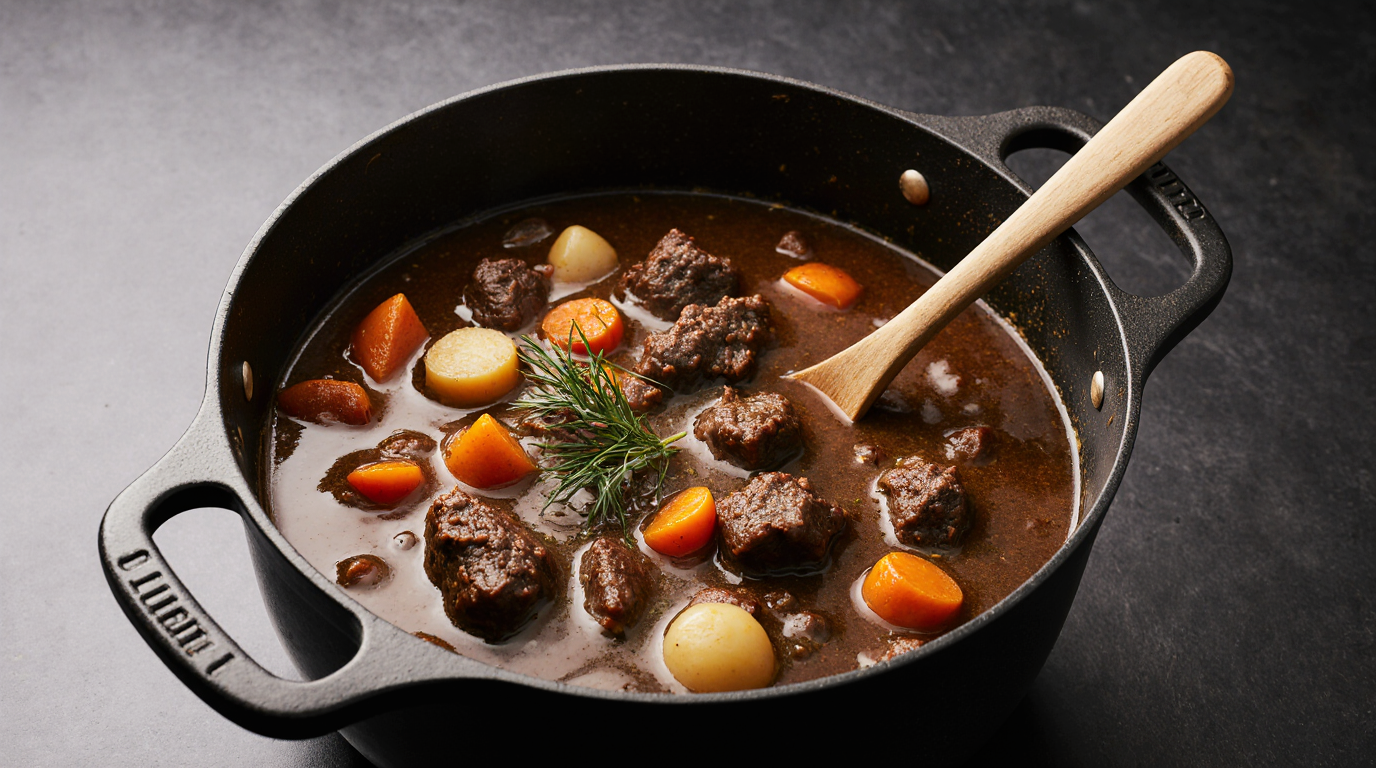
Cooking a delicious dinner at home does not have to feel like a chore. Many people find joy in preparing beginner-friendly beef meals that require minimal effort but deliver maximum flavor.
Mastering a few fundamental techniques can truly transform your time in the kitchen. You will quickly build culinary confidence while serving high-quality, protein-rich dishes to your family.

Starting with simple methods allows you to enjoy a hearty plate without spending hours standing over a hot stove. These fast and easy beef recipes for beginners provide the perfect foundation to sharpen your skills while keeping your evening stress-free.
Key Takeaways
- Focus on simple cooking techniques to build kitchen confidence.
- Select high-quality proteins to ensure flavorful results every time.
- Save valuable time by choosing streamlined preparation methods.
- Enjoy nutritious, protein-packed dinners without complex steps.
- Transform your home cooking experience with approachable culinary habits.
Essential Kitchen Tools for Beef Cooking
Equipping your workspace with high-quality gear makes every beef recipe easier to handle. When you are cooking beef for beginners, having the right equipment helps you achieve consistent results every single time. You do not need a massive collection of gadgets to get started, but a few core items will make a world of difference.
Must-have pans and utensils
The foundation of a great beef dish often starts with the pan you choose. A heavy-bottomed skillet is essential because it distributes heat evenly, preventing those frustrating hot spots that can burn your meat. Cast iron or stainless steel pans are excellent choices for searing steaks or browning ground beef.
Beyond the pan, you should keep a few reliable utensils nearby to manage your ingredients safely. Here are the items you should keep in your kitchen drawer:
- Sturdy metal tongs: Perfect for flipping steaks without piercing the meat and losing juices.
- Heat-resistant spatula: Ideal for breaking up ground beef in a skillet.
- Sharp chef’s knife: Makes trimming fat or slicing meat a quick and simple task.
Safety and temperature basics
Prioritizing beef cooking safety is just as important as mastering flavor. The most effective way to ensure your meat is cooked perfectly is by using a digital meat thermometer. Relying on visual cues or timing alone can be risky, but a thermometer provides instant, accurate feedback.
“A meat thermometer is the single most important tool for any home cook to ensure food safety and perfect texture.”
Always insert the thermometer into the thickest part of the beef to get an accurate reading. Following recommended internal temperatures helps you avoid overcooking, ensuring your meal stays tender and juicy. With these tools in your arsenal, you will feel much more confident in the kitchen.
Understanding Beef Cuts for Quick Meals
Selecting the right cut of beef is the secret to turning a simple weeknight meal into a restaurant-quality experience. When you know exactly what to look for at the grocery store, you can shop with total confidence. These best beef cuts for beginners provide the perfect foundation for fast, flavorful dinners that never disappoint.
Choosing the right ground beef
Ground beef is a staple in many kitchens because it is versatile and cooks quickly. When shopping, you will notice different ratios on the packaging, such as 80/20 or 90/10. The first number represents the lean meat, while the second indicates the fat content.
For dishes like tacos or stir-fries, a slightly higher fat content like 80/20 is often preferred because it stays juicy during high-heat cooking. If you prefer a leaner option, 90/10 or even 95/5 is excellent for lighter meals. Always remember that fat equals flavor, so choose your ratio based on the specific recipe you are preparing.
Best steak cuts for fast searing
If you are craving a juicy steak, you need cuts that are tender enough to cook rapidly. Thinly sliced sirloin, ribeye, or strip steaks are ideal because they respond beautifully to high heat. These are widely considered the best beef cuts for beginners because they require very little prep time.
Learning how to sear steak properly is a game-changer for your home cooking. Start by ensuring your pan is smoking hot before adding the meat to create a delicious, caramelized crust. Patience is key; let the steak develop a deep brown color on one side before flipping it just once.
Once you master how to sear steak, you will find that you can prepare a gourmet-style dinner in under fifteen minutes. Keep your seasoning simple with salt, pepper, and a touch of garlic to let the natural quality of the beef shine through.
Classic Ground Beef Skillet Dinners
Simple beef dinner ideas often start with a hot skillet and a few fresh ingredients. When you have a busy schedule, these one-pan meals provide the ultimate solution for getting dinner on the table without the stress of a massive cleanup. You can easily customize these dishes to fit your family’s preferences by swapping in seasonal produce or your favorite pantry staples.
One-pan taco beef bowls
If you are looking for quick ground beef recipes, this taco bowl is a fantastic place to start. Simply brown your beef in a large skillet, add your favorite taco seasoning, and toss in black beans or corn for extra texture. It is truly a game-changer for those nights when you need a hearty meal in under twenty minutes.
Serve the mixture over a bed of fluffy rice or fresh greens to complete the dish. You can top your bowl with shredded cheese, creamy avocado, or a dollop of sour cream to add a burst of flavor. This flexible approach ensures that every member of the family can build their own perfect plate.
Quick savory beef and vegetable stir-fry
A quick beef stir-fry is another excellent way to utilize your skillet for a nutritious dinner. By slicing your beef thinly against the grain, you ensure that the meat stays tender while cooking rapidly over high heat. Speed is the key to maintaining the vibrant color and crunch of your vegetables.
Toss in bell peppers, snap peas, or broccoli florets during the final minutes of cooking to keep them crisp. A simple sauce made from soy sauce, ginger, and garlic ties the entire dish together beautifully. Enjoy the satisfaction of creating a balanced, restaurant-style meal right in your own kitchen with minimal effort.
Fast and Easy Beef Recipes for Beginners
Mastering the kitchen starts with simple, high-impact meals that save you time. Many home cooks feel intimidated by beef, but these fast and easy beef recipes for beginners prove that you do not need professional skills to create a delicious dinner. By focusing on efficient cooking methods, you can serve impressive meals without spending hours at the stove.

Sheet pan beef and broccoli
Sheet pan cooking is a game-changer for anyone with a busy schedule. This method allows you to roast your protein and vegetables together on a single tray, which makes cleanup incredibly simple. Simply toss thinly sliced beef and fresh broccoli florets with soy sauce, ginger, and a touch of sesame oil.
Spread the mixture evenly across your pan and roast at a high temperature until the beef is tender and the broccoli edges are slightly charred. This hands-off approach ensures that your dinner is ready in under twenty minutes. It is a perfect solution for those nights when you want a healthy meal with minimal effort.
Simple garlic butter steak bites
If you are craving a savory protein, these bites are among the most popular easy steak recipes you can master. By cutting your steak into uniform, bite-sized pieces, you drastically reduce the cooking time while ensuring every morsel is perfectly seared. The secret lies in using a hot skillet to lock in the juices quickly.
Once the beef is browned, toss the pieces in a generous amount of melted butter, minced garlic, and fresh herbs like parsley. The result is a restaurant-quality dish that pairs beautifully with mashed potatoes or a crisp side salad. You will be amazed at how much flavor you can pack into such a quick and straightforward preparation.
Mastering the Art of the Beef Burger
Nothing beats the satisfaction of biting into a homemade burger that rivals your favorite restaurant. Learning how to cook a perfect burger is a rewarding skill that relies on simple techniques regarding meat handling and heat management. By focusing on these basics, you can easily elevate your home cooking to a professional level.
Building the perfect classic cheeseburger
The foundation of a great burger starts with high-quality ground beef. When assembling your meal, layering is key to achieving the best flavor profile. Start with a toasted bun, add your fresh lettuce and tomato, and place the cheese directly on the hot patty so it melts perfectly.
Don’t be afraid to experiment with your favorite toppings to customize the experience. A classic cheeseburger is all about balance, ensuring that every bite provides a mix of savory meat, creamy cheese, and crisp vegetables. This simple approach ensures your homemade creation is far superior to standard fast-food options.
Tips for juicy patties every time
To ensure you get juicy burger patties, the most important rule is to avoid overworking the meat. Gently shape your patties with cold hands, as excessive handling can melt the fat and lead to a tough texture. You want to keep the meat loose and tender before it hits the heat.
Seasoning should be applied right before cooking to maintain the moisture inside the beef. When you are ready to sear, make sure your pan or grill is nice and hot to lock in those delicious juices. Following these steps will help you master how to cook a perfect burger that stays tender and flavorful every single time you fire up the stove.
Remember that patience is a virtue when it comes to grilling. Let your juicy burger patties rest for a minute after cooking to allow the internal juices to redistribute. This small step makes a massive difference in the final quality of your meal.
Healthy Beef Salad and Bowl Ideas
Elevate your daily nutrition by incorporating lean beef into vibrant salads and hearty grain bowls. These dishes offer a refreshing way to enjoy protein while keeping your energy levels steady throughout the afternoon. By focusing on healthy beef meal prep, you can save time during the busy work week without sacrificing flavor or quality.
Mediterranean-style beef salad
A Mediterranean-inspired salad brings bright, zesty flavors to your plate. Start with a base of crisp romaine or baby spinach, then top it with thinly sliced, seared sirloin. Add colorful cucumbers, cherry tomatoes, kalamata olives, and a sprinkle of feta cheese to complete the profile.
Drizzle the dish with a simple lemon-oregano vinaigrette to tie everything together. This combination is perfect for those who want nutritious beef bowls that feel light yet incredibly satisfying. The acidity of the dressing cuts through the richness of the beef, creating a balanced bite every time.
“Cooking is a craft that relies on the quality of your ingredients and the passion you bring to the kitchen.”
— Culinary Expert
Quick beef and quinoa power bowls
Quinoa serves as an excellent base for a power bowl because it is packed with fiber and protein. When you pair it with seasoned ground beef or leftover steak strips, you create a meal that keeps you full for hours. Add roasted sweet potatoes or black beans to increase the nutritional density of your lunch.
These bowls are highly customizable, allowing you to swap vegetables based on what is in your refrigerator. Using healthy beef meal prep techniques, you can cook a large batch of quinoa and beef on Sunday to assemble your meals in minutes each morning.
| Component | Best Choice | Benefit |
|---|---|---|
| Protein | Lean Sirloin | High Iron |
| Grain | Quinoa | Complete Protein |
| Vegetable | Bell Peppers | Vitamin C |
| Dressing | Olive Oil | Healthy Fats |
Incorporating these nutritious beef bowls into your routine is a simple step toward better eating habits. Whether you prefer the crunch of fresh greens or the heartiness of ancient grains, beef provides the essential fuel your body needs to thrive.
Flavorful Beef Pasta Dishes
When you need simple beef dinner ideas that deliver maximum comfort, pasta is your best friend. Combining savory meat with tender noodles creates a satisfying meal that feels like a warm hug on a busy weeknight. These dishes are perfect for anyone looking to get a delicious dinner on the table without spending hours in the kitchen.
Creamy beef and tomato pasta
This dish is a staple among beef pasta recipes because it balances rich, tangy tomato sauce with a velvety finish. Start by browning your ground beef in a large skillet until it is perfectly cooked. Stir in your favorite marinara sauce and a splash of heavy cream to create a luxurious texture that clings to every strand of pasta.
Pro tip: Always reserve a small cup of the starchy pasta water before draining your noodles. Adding this liquid to your sauce helps it emulsify, ensuring a restaurant-quality consistency that coats the pasta beautifully.
One-pot beef stroganoff for beginners
If you want to minimize cleanup, one-pot beef meals are the ultimate solution for your home kitchen. This simplified stroganoff uses a single pan to cook the beef, mushrooms, and noodles together in a savory broth. The starch from the pasta thickens the sauce naturally as it simmers, creating a rich and creamy result with very little effort.
Cooking should be stress-free, and this method proves that you do not need complex techniques to achieve deep, savory flavors. Simply sauté your beef and mushrooms, add your broth and noodles, and let the pot do the heavy lifting. You will end up with a hearty, comforting meal that is ready to serve in under thirty minutes.
Tips for Seasoning and Marinating Beef
Mastering the art of flavor starts with how you prepare your beef before it hits the heat. Proper seasoning beef for flavor is the secret to elevating a simple piece of meat into a memorable culinary experience. By choosing the right method, you can easily customize your meal to match any cuisine or spice profile you desire.
Dry rubs for instant flavor
Dry rubs are perfect for creating a delicious, crusty exterior on your steaks or roasts. To get the best results, pat your beef dry with a paper towel before applying your spice blend. This ensures the seasoning adheres well and helps the meat develop a beautiful sear in the pan.

You can create a simple rub using pantry staples like kosher salt, cracked black pepper, garlic powder, and smoked paprika. For a bolder taste, try adding brown sugar or dried herbs like thyme and rosemary. Applying the rub generously just before cooking allows the spices to toast and caramelize, locking in the natural juices.
Quick 30-minute marinade techniques
When you want to infuse flavor deep into the fibers of the meat, marinades are your best friend. Following effective marinating beef tips can save you time while ensuring your dinner is packed with moisture and zest. A great marinade typically requires three main components: an acid, an oil, and aromatics.
For a quick 30-minute soak, use an acidic base like lemon juice, vinegar, or soy sauce to help tenderize the beef. Whisk in olive oil to carry the flavors and add aromatics like minced garlic, ginger, or fresh herbs. Always marinate in the refrigerator to keep your food safe and ensure the best texture when it hits the skillet.
Common Mistakes to Avoid When Cooking Beef
Even the most skilled home chefs occasionally face challenges when preparing beef. Understanding common beef cooking mistakes is the first step toward building confidence in the kitchen. By focusing on these simple adjustments, cooking beef for beginners becomes a much more rewarding and stress-free experience.
Preventing tough and chewy meat
One of the most frequent complaints is ending up with meat that feels rubbery or dry. To achieve the best results, you must master specific tender beef techniques that protect the integrity of the protein. Always remember to let your steak rest for at least five to ten minutes after cooking, as this allows the juices to redistribute throughout the fibers.
Additionally, be mindful of your heat levels. Cooking meat at an extremely high temperature for too long can cause the proteins to seize up, resulting in a tough texture. Using a meat thermometer is a game-changer for ensuring your beef reaches the perfect internal temperature without overcooking.
Avoiding the overcrowding of the pan
It is tempting to cook as much meat as possible at once to save time, but this often leads to poor results. When you pack too many pieces into a skillet, the temperature of the pan drops rapidly. Instead of getting a beautiful, golden-brown sear, the beef releases its moisture and begins to steam in its own juices.
To avoid this, always cook your beef in smaller batches, leaving plenty of space between each piece. This simple habit ensures that the surface of the meat stays dry enough to caramelize properly. By giving your ingredients room to breathe, you will achieve that professional-quality crust that makes every dish taste incredible.
Conclusion
Cooking beef at home is a rewarding journey that becomes easier with every meal you prepare. You now possess the knowledge to select quality cuts and use the right tools to achieve perfect results.
Consistency remains the secret to success in the kitchen. By practicing these beginner-friendly beef meals, you build the muscle memory needed to cook with confidence. Your skills will grow as you experiment with different spices and heat levels.
Sharing a home-cooked dinner brings people together in a special way. Whether you are preparing a quick weeknight stir-fry or a hearty pasta dish, your efforts create lasting memories. Keep exploring new flavors and techniques to expand your culinary repertoire.
Focus on the joy of the process rather than perfection. Every time you step into the kitchen, you improve your ability to create delicious, beginner-friendly beef meals for yourself and your family. Enjoy the process of turning simple ingredients into a satisfying feast.
FAQ
What is the best type of pan for a beginner to use when searing beef?
For the most consistent results, a Lodge cast iron skillet is an excellent choice for beginners. Its ability to retain high heat ensures you get a beautiful, savory crust—known as the Maillard reaction—on your steaks and burgers, which is much harder to achieve with thin aluminum pans.
How can I tell if my beef is cooked to a safe temperature without cutting into it?
The most reliable method is to use a digital instant-read thermometer, such as a ThermoPro. For a perfect medium-rare steak, aim for an internal temperature of 135°F to 140°F. Using a thermometer prevents you from losing those delicious juices by slicing the meat too early.
Which cut of beef is most “forgiving” for someone just starting out?
Sirloin tips or flank steak are wonderful options for beginners. They are relatively affordable at retailers like Whole Foods or Kroger and cook very quickly. If you are looking for ground beef, an 80/20 ground chuck blend provides enough fat to keep your meals juicy and flavorful even if you overcook them slightly.
Why does my beef often turn out tough and chewy instead of tender?
This is usually caused by two common mistakes: overcrowding the pan or failing to slice against the grain. When you crowd too much meat into a skillet, the temperature drops and the beef steams rather than sears. Additionally, always look for the direction of the muscle fibers and slice perpendicular to them to ensure a tender bite.
Is it necessary to marinate beef for several hours to get good flavor?
Not at all! While long soaks are great, you can achieve fantastic results in just 30 minutes using an acidic base like Kikkoman soy sauce or balsamic vinegar. If you are in a real rush, a high-quality dry rub using McCormick seasonings can be applied immediately before the meat hits the pan for an instant flavor boost.
How do I make my homemade burgers taste like they came from a restaurant?
The key to a restaurant-quality burger, like those served at Shake Shack, is to handle the meat as little as possible. Overworking the beef makes it dense and tough. Simply form your patties gently, season the outside generously with Kosher salt, and avoid pressing down on them with a spatula while they cook.
Can I prepare beef recipes ahead of time for healthy meal prepping?
Yes! Beef is perfect for meal prepping. Recipes like quinoa power bowls or Mediterranean-style beef salads hold up very well in the refrigerator. Using lean cuts of USDA Choice beef ensures your prepped lunches remain nutritious and satisfying throughout the week.
What is the benefit of letting the meat rest after cooking?
Giving your beef a five-minute rest time allows the muscle fibers to relax and reabsorb the juices. If you cut into a steak or a pot roast immediately after taking it off the heat, all that moisture will run out onto the cutting board, leaving the meat dry.