
Melissa’s Chicken Cacciatore Recipe for Easy Dinners
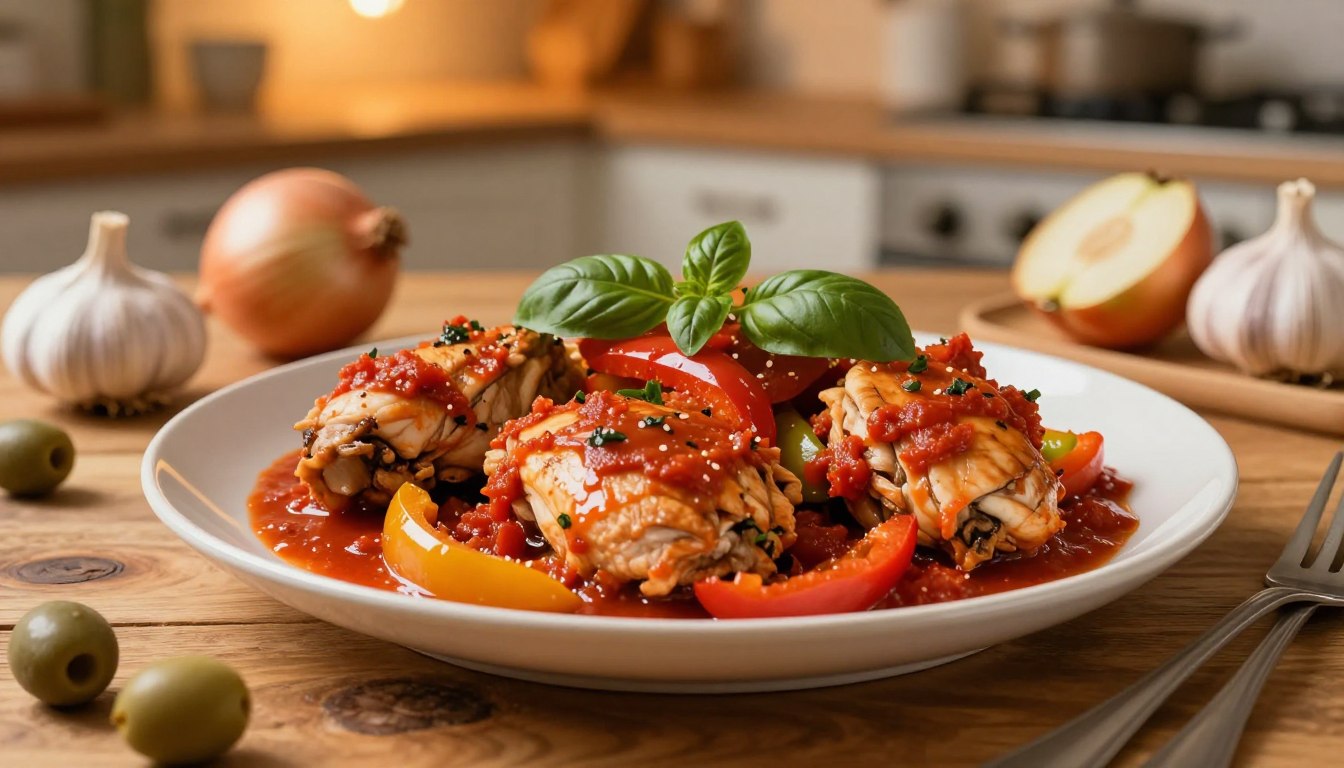
Do you often find yourself rushing to put a healthy meal on the table after a long day? Finding the perfect easy chicken dinner that satisfies your entire family can feel like a daunting task. You deserve a meal that tastes like it came from a professional kitchen without spending hours over a hot stove.
Melissa’s Chicken Cacciatore offers the ideal solution for your busy weeknight schedule. This rustic Italian dish brings bold, comforting flavors into your home using simple and accessible ingredients. It is the ultimate way to elevate your cooking routine while keeping things stress-free.
By following this chicken cacciatore recipe, you will learn how to master the balance between traditional culinary techniques and modern convenience. You can create a hearty, restaurant-quality feast that brings everyone to the table with a smile. Let’s explore how to make this delicious meal your new go-to favorite.
Key Takeaways
- Learn to prepare a restaurant-quality meal using simple pantry staples.
- Discover how to save time on busy weeknights without sacrificing flavor.
- Master the art of balancing traditional Italian spices with modern cooking methods.
- Create a nutritious, family-friendly dish that everyone will enjoy.
- Gain confidence in the kitchen with a reliable and stress-free cooking process.
The Appeal of Classic Italian Chicken Cacciatore
Few meals capture the rustic charm of the Italian countryside quite like a traditional hunter’s stew. This timeless dish relies on simple, high-quality ingredients to create a depth of flavor that feels both sophisticated and deeply comforting. Whether you are cooking for a busy weeknight or a slow Sunday dinner, this meal brings warmth to your table.

Why This Hearty Chicken Stew Remains a Family Favorite
The beauty of a hearty chicken stew lies in its ability to satisfy every palate at the table. Children often enjoy the tender poultry and mild tomato base, while adults appreciate the complex, savory notes developed during the slow cooking process. It is a versatile italian chicken dish that adapts perfectly to your family’s preferences.
When you prepare a classic chicken cacciatore recipe, you are creating more than just dinner. You are crafting a meal that fills your home with inviting aromas. This dish remains a staple because it balances nutrition with the kind of soul-warming comfort that modern families crave.
Understanding the Roots of Authentic Italian Chicken Dishes
Historically, this meal originated as a rustic preparation used by hunters in the Italian woods. They utilized whatever ingredients were readily available, such as wild herbs, onions, and tomatoes, to braise their catch. Today, melissa’s chicken cacciatore honors these traditions while making the process accessible for your kitchen.
An authentic chicken cacciatore focuses on the harmony between the acidity of the tomatoes and the earthiness of the aromatics. By understanding these roots, you can better appreciate why this hearty chicken stew has survived for generations. The following table highlights the key elements that define this culinary tradition.
| Feature | Traditional Roots | Modern Adaptation |
|---|---|---|
| Primary Protein | Wild Game | Domestic Chicken |
| Cooking Method | Open Fire Braising | Stovetop or Slow Cooker |
| Flavor Profile | Foraged Herbs | Fresh Garlic and Wine |
| Serving Style | Rustic Pot | Plated with Pasta or Bread |
Essential Ingredients for Melissa’s Chicken Cacciatore
Success in the kitchen begins with high-quality components for your next meal. When you prepare Melissa’s Chicken Cacciatore, the integrity of your ingredients dictates the final depth of flavor. By sourcing fresh, premium items, you ensure that every bite reflects the heart of a classic cacciatore recipe.

Selecting the Best Cuts of Chicken
For the most succulent results, you should prioritize bone-in, skin-on chicken thighs. These cuts provide a richer flavor profile compared to lean breasts, which can dry out during the long simmering process. The bone helps maintain the moisture of the meat, ensuring a tender texture that defines an authentic italian recipe.
Choosing Quality Tomatoes and Aromatics
The foundation of any italian chicken cacciatore lies in the quality of your canned tomatoes. Opt for high-quality San Marzano tomatoes, as their natural sweetness and low acidity create a superior sauce base. You should also prioritize fresh aromatics like yellow onions, carrots, and plenty of garlic to build a robust, savory foundation.
The Role of Fresh Herbs and Dry Wine
Incorporating a dry white wine is essential for deglazing your pan and adding a necessary layer of complexity. This step helps lift the browned bits from the bottom of the pot, infusing the sauce with deeper, more nuanced notes. Finally, finish your dish with fresh herbs like rosemary and parsley to brighten the heavy flavors of this classic cacciatore recipe. Using these specific elements will help you master this authentic italian recipe with ease.
Preparing Your Ingredients for Success
Achieving a professional result at home begins long before the stove is turned on. By focusing on mise en place, or having everything in its place, you ensure that your cooking process remains smooth and enjoyable. This simple habit is the secret to mastering an easy chicken dinner without any unnecessary stress.
Properly Cleaning and Seasoning the Poultry
Start by patting your chicken pieces dry with paper towels. Removing excess moisture is essential because it allows the skin to sear properly rather than steam. Once dry, season the meat generously with salt and black pepper on all sides.
Do not be afraid to use your hands to rub the seasoning into the crevices of the meat. This ensures that every bite of your homemade chicken cacciatore is packed with flavor from the inside out. Proper seasoning at this stage builds a deep foundation for the final sauce.
Vegetable Prep Techniques for Even Cooking
Uniformity is the key to a perfectly cooked stew. When chopping your onions, bell peppers, and carrots, aim for pieces that are roughly the same size. This technique ensures that all vegetables soften at the same rate during the simmering process.
- Dice onions into consistent half-inch pieces.
- Slice bell peppers into uniform strips for better texture.
- Mince garlic finely to distribute its aroma evenly throughout the dish.
Organizing Your Workspace for an Easy Chicken Dinner
A cluttered kitchen often leads to a cluttered cooking experience. Before you turn on the heat, arrange your prepped ingredients in small bowls or on a clean tray near your stove. This simple organization helps you execute your easy chicken cacciatore with confidence.
Having your herbs, wine, and aromatics ready to go prevents the frantic search for ingredients while the pan is hot. By keeping your workspace tidy, you turn the preparation of homemade chicken cacciatore into a relaxing and rewarding ritual. This organized approach is the hallmark of a great home cook.
Step-by-Step Cooking Instructions
Creating a delicious tomato-based chicken dish is easier than you might think when you follow a logical process. By breaking down the preparation into distinct phases, you ensure that every component contributes to the final depth of flavor. This chicken cacciatore recipe provides the structure you need for a successful meal.
Searing the Chicken for Maximum Flavor
Start by heating a heavy-bottomed pan or Dutch oven over medium-high heat with a splash of olive oil. Pat your chicken pieces completely dry with paper towels to ensure a golden-brown crust. Place the chicken in the pan, skin-side down, and avoid overcrowding the surface.
Allow the meat to sear undisturbed for several minutes until it releases easily from the pan. This browning process is essential for developing the savory foundation of your homemade chicken cacciatore. Once browned on all sides, remove the chicken and set it aside on a clean plate.
Building the Tomato-Based Sauce Base
In the same pan, use the rendered fat to sauté your aromatics like onions, garlic, and bell peppers. These vegetables will soften and absorb the flavorful drippings left behind by the poultry. Stir in your herbs and tomato paste, cooking them briefly to release their aromatic oils.
Deglaze the pan by pouring in your wine, scraping up any browned bits from the bottom with a wooden spoon. Add your crushed tomatoes and bring the mixture to a gentle boil. This creates a rich, complex tomato-based chicken dish that serves as the heart of your meal.
Simmering to Perfection
Return the seared chicken to the pan, nestling the pieces into the sauce so they are partially submerged. Reduce the heat to low and cover the pot to maintain a steady, gentle simmer. This slow cooking phase allows the meat to become tender while the sauce thickens and concentrates.
Check the progress of your stew periodically to ensure the liquid level remains consistent. The goal is to achieve a harmonious blend where the acidity of the tomatoes balances the richness of the chicken. Use the following table to track your progress through these essential cooking stages.
| Cooking Stage | Primary Goal | Key Indicator |
|---|---|---|
| Searing | Maillard Reaction | Deep golden crust |
| Aromatic Sauté | Flavor Extraction | Soft, translucent onions |
| Simmering | Flavor Integration | Thick, glossy sauce |
Tips for the Best Chicken Cacciatore Results
Achieving the best chicken cacciatore requires more than just following a basic recipe. You can elevate your dish by focusing on the final seasoning and the overall texture of your sauce. These small adjustments often make the difference between a standard meal and a restaurant-quality experience.
Balancing Acidity and Sweetness in Your Sauce
Tomatoes naturally carry a sharp acidity that can sometimes overpower the other ingredients. If your sauce tastes too tart, add a small pinch of sugar to mellow the flavor. Always taste as you go to ensure the balance remains perfect for your palate.
If the sauce feels flat, a tiny splash of balsamic vinegar or a pinch of sea salt can brighten the profile. When preparing melissa’s chicken cacciatore, remember that fresh herbs like basil or oregano added at the very end will provide a vibrant, aromatic finish.
Achieving the Ideal Consistency for Your Stew
A hearty stew should have a rich, clinging consistency that coats the back of a spoon. If your sauce appears too thin, remove the lid during the final ten minutes of simmering to allow excess moisture to evaporate. This process concentrates the flavors and creates a luxurious mouthfeel.
Conversely, if the sauce becomes too thick, stir in a splash of chicken stock or dry white wine. Maintaining this balance is a hallmark of the best chicken cacciatore, ensuring every bite is flavorful and satisfying.
Pairing Suggestions for a Complete Meal
Serving your dish with the right side can transform it into a complete feast. Crusty Italian bread is essential for soaking up the savory tomato sauce. Alternatively, serving melissa’s chicken cacciatore over a bed of al dente pappardelle or creamy polenta adds a comforting texture.
| Component | Recommendation | Flavor Impact |
|---|---|---|
| Starch | Pappardelle Pasta | Absorbs sauce well |
| Bread | Garlic Ciabatta | Adds crunch and salt |
| Wine | Chianti | Complements acidity |
| Vegetable | Roasted Broccolini | Provides earthy contrast |
Adapting the Recipe for Slow Cooker Convenience
Transforming this recipe into a slow cooker chicken cacciatore allows you to enjoy a gourmet meal without the constant stovetop monitoring. For those with a busy schedule, this method provides a stress-free way to serve a nutritious dinner. You will find that the flavors meld beautifully over several hours, creating a rich and hearty one-pot chicken meal that is ready exactly when you walk through the door.
Adjusting Liquid Ratios for One-Pot Chicken Meals
When you transition to a slow cooker, you must account for the lack of evaporation. Unlike a stovetop pot, a slow cooker traps moisture inside, which can lead to a watery sauce if you follow the original measurements exactly. Reduce your wine and broth by about one-third to ensure your sauce maintains a thick, clingy consistency.
If you prefer a thicker texture, you can also add a small amount of tomato paste to the base. This simple adjustment keeps your easy chicken cacciatore balanced and flavorful. Always remember that the vegetables will release their own juices during the long cooking process.
Setting the Right Temperature and Time
To achieve the best results, timing is everything. Cooking on the low setting is generally preferred for poultry to ensure the meat remains succulent and tender. Most recipes will reach perfection after six to seven hours on low or three to four hours on high.
“The magic of slow cooking lies in the patience of the process, allowing every herb and spice to tell its story in the final dish.”
| Feature | Stovetop Method | Slow Cooker Method |
|---|---|---|
| Cooking Time | 45-60 Minutes | 4-7 Hours |
| Liquid Ratio | Standard | Reduced by 30% |
| Heat Source | Direct/High | Indirect/Low |
Maintaining Texture When Using a Slow Cooker
Maintaining the integrity of your ingredients is vital for a high-quality meal. To prevent the chicken from becoming too soft, consider searing the pieces in a pan before adding them to the slow cooker. This step adds a depth of flavor and helps the meat hold its shape during the long simmer.
Additionally, add delicate vegetables like bell peppers during the last hour of cooking if you prefer them with a slight crunch. By following these guidelines, you ensure your one-pot chicken meal remains a restaurant-quality experience at home. Your family will appreciate the tender texture and the deep, concentrated flavors of this classic dish.
Conclusion
Bringing authentic Italian flavors into your home starts with these simple steps. You now possess the knowledge to transform basic poultry and garden vegetables into a rich, comforting masterpiece.
Mastering this Chicken Cacciatore relies on your commitment to quality ingredients. Fresh herbs, ripe tomatoes, and a patient simmering process define the difference between a standard meal and a culinary triumph.
Your kitchen serves as the perfect stage for this classic dish. Experiment with different wine varieties or vegetable combinations to suit your personal taste preferences. Making this recipe a regular part of your dinner rotation ensures that your family enjoys wholesome, flavorful food throughout the year.
Enjoy the process of slow cooking and the satisfaction of serving a meal crafted with care. Your confidence in the kitchen grows with every batch you prepare.
FAQ
What makes Melissa’s chicken cacciatore the ideal choice for an easy chicken dinner?
Melissa’s chicken cacciatore is designed for modern lifestyles, combining the rich, deep flavors of a classic chicken cacciatore recipe with simplified steps. It utilizes accessible ingredients that you likely already have in your pantry, making it the perfect easy chicken dinner that feels like a gourmet treat for your family.
Why are bone-in thighs recommended for this authentic chicken cacciatore?
To achieve the best chicken cacciatore, using bone-in, skin-on thighs is essential. The bone adds significant depth to the tomato-based chicken dish, while the fat from the thighs ensures the meat remains succulent and tender throughout the long simmering process required for a hearty chicken stew.
Can I prepare this as a slow cooker chicken cacciatore?
Yes, you can easily adapt this into a slow cooker chicken cacciatore. To maintain the integrity of this one-pot chicken meal, you should reduce the amount of added liquid, such as wine or broth, because the slow cooker prevents evaporation. Searing your meat in a skillet before adding it to the pot will help you maintain the authentic profile of this italian chicken dish.
What is the secret to balancing the flavors in a homemade chicken cacciatore?
The key to a successful homemade chicken cacciatore lies in balancing the acidity of the tomatoes with savory aromatics and a splash of dry wine. If your sauce tastes too acidic, you can add a tiny pinch of sugar or a splash of Colavita balsamic vinegar to round out the flavor profile of your authentic italian recipe.
What should you serve with this classic cacciatore recipe?
This italian chicken cacciatore is incredibly versatile. For a traditional experience, serve this hearty chicken stew over a bed of al dente Barilla pasta or creamy polenta. If you prefer a lighter option, a side of crusty rustic bread is perfect for soaking up every drop of the savory sauce from your chicken cacciatore recipe.
How do you ensure the vegetables don’t get too mushy in this tomato-based chicken dish?
To keep your vegetables from losing their texture in this classic cacciatore recipe, ensure you cut them into uniform, bite-sized pieces. Sautéing your peppers, onions, and mushrooms briefly before adding the liquid helps them retain their shape and color, resulting in a more visually appealing and textured italian chicken dish.
Is it necessary to use wine in an authentic italian recipe like this one?
While a dry white wine like Santa Margherita Pinot Grigio provides the foundational acidity and depth characteristic of an authentic chicken cacciatore, you can substitute it with a high-quality chicken stock mixed with a teaspoon of lemon juice. This ensures you still get the bright notes required for a complex tomato-based chicken dish.