
Best Lemon-Butter Chicken Paillard Recipe to Try Tonight
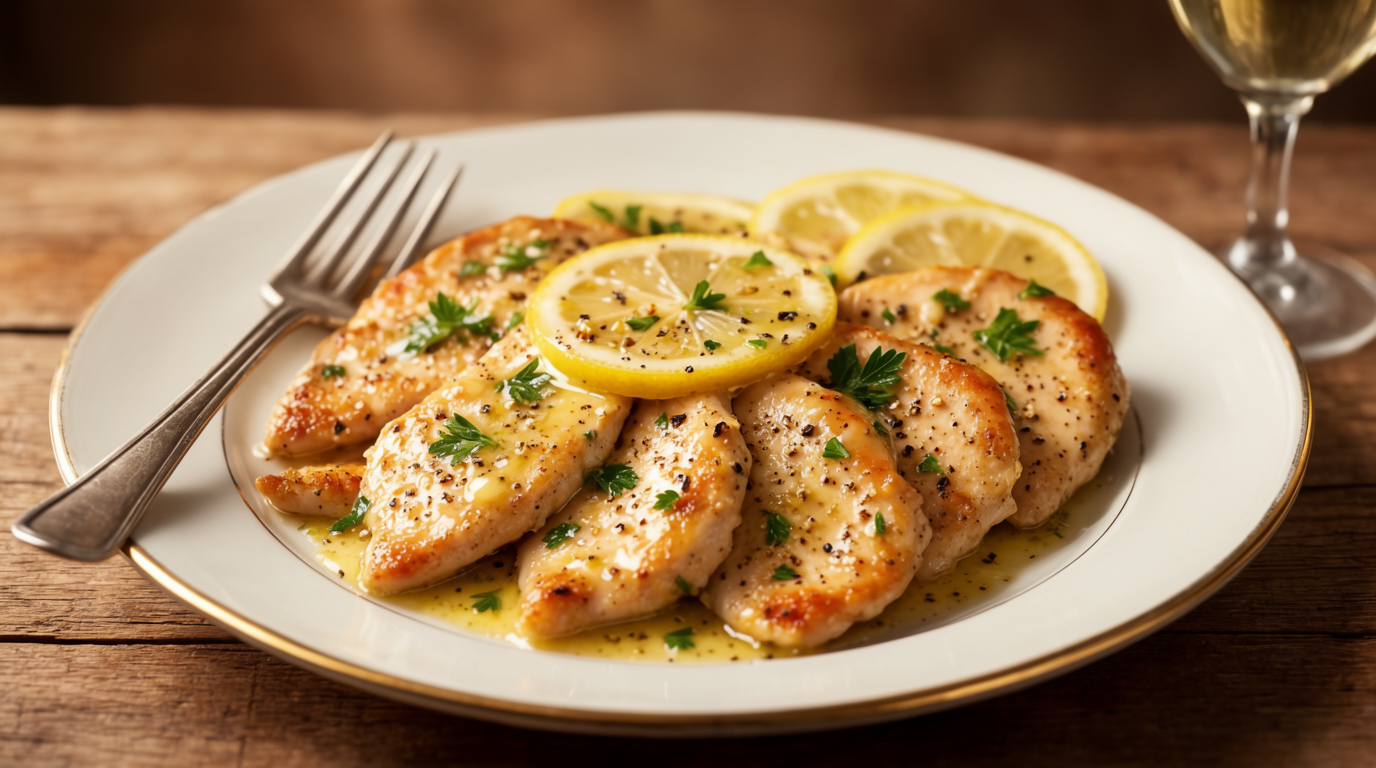
Are you tired of the same old routine when it comes to your evening cooking? Finding simple dinner ideas that feel special can be a challenge after a long day. You deserve a meal that balances elegance with efficiency.
The Lemon-Butter Chicken Paillard is the perfect solution for your busy schedule. This dish transforms basic poultry into a sophisticated, restaurant-quality masterpiece in just minutes. It stands out as an easy chicken dinner that never compromises on bold, bright flavors.

Many home cooks struggle to find quick weeknight meals that impress the whole family. By pounding the meat thin, you ensure it cooks rapidly while staying incredibly tender. This method creates a light, refreshing experience that will change how you view your kitchen time forever.
Key Takeaways
- Learn how to prepare a gourmet meal in under twenty minutes.
- Discover the secret to achieving perfectly tender, thin-cut poultry.
- Master a vibrant sauce that elevates basic pantry ingredients.
- Save time on busy evenings without sacrificing quality or taste.
- Impress your guests with a dish that looks and tastes professional.
The Art of the Perfect Chicken Paillard
The chicken paillard technique is a timeless culinary skill that transforms simple ingredients into an elegant, gourmet experience. By mastering this method, you gain the ability to create restaurant-style chicken right in your own kitchen. It is truly one of the best chicken recipes for those who value both speed and sophistication.
Understanding the Paillard Technique
At its core, the paillard method involves pounding meat to a uniform, thin thickness. This process ensures that the protein cooks rapidly and evenly, preventing the edges from drying out before the center is done. It is a hallmark of a confident home chef who understands how to manipulate texture for the perfect bite.
When you prepare meat this way, you unlock a level of tenderness that is difficult to achieve with thicker cuts. This preparation style is essential for many classic chicken dishes found in high-end bistros. It allows for a quick sear that locks in moisture while creating a beautiful, golden crust.
Why Lemon-Butter is the Classic Pairing
The combination of bright lemon and rich butter creates a flavor profile that has defined French-inspired cuisine for decades. The acidity of the citrus cuts through the richness of the butter, resulting in a balanced sauce that elevates the mild flavor of the poultry. This pairing is not just a preference; it is a fundamental lesson in culinary harmony.
Understanding these foundational concepts allows you to appreciate the nuance behind this elegant dish. When you master the emulsion of these two ingredients, you elevate your cooking from basic to professional. Below is a comparison of how different cooking techniques impact the final quality of your poultry.
| Method | Cooking Time | Texture | Flavor Profile |
|---|---|---|---|
| Paillard (Thin) | 2-3 Minutes | Very Tender | Bright & Rich |
| Whole Breast | 15-20 Minutes | Variable | Mild |
| Slow Braise | 45+ Minutes | Soft/Shredded | Deep & Savory |
Essential Ingredients for Your Kitchen
Creating a restaurant-quality meal at home starts long before you turn on the stove. When you prioritize high-quality components, you elevate a simple thin chicken breast recipe into a gourmet experience that feels special every time.
Selecting High-Quality Chicken Breasts
The foundation of this dish is the protein itself. You should look for organic, air-chilled chicken breasts that offer a firm texture, as these hold up best when pounded thin.
Avoid pre-packaged, water-injected options if possible. Fresh, high-quality meat ensures that your final healthy chicken dinner remains juicy and tender rather than rubbery after cooking.
Choosing the Right Butter and Fresh Citrus
The magic of this meal lies in the sauce, which relies on the quality of your fats and acids. Using European-style butter is a game-changer because it contains a higher butterfat content and less water.
This richness creates a luxurious, velvety emulsion that standard butter simply cannot match. To balance this, always use freshly squeezed citrus juice rather than bottled alternatives.
- Meyer lemons provide a sweeter, more floral note.
- Standard lemons offer a sharp, classic acidity.
- Fresh zest adds an aromatic punch that brightens the entire plate.
Pantry Staples for Flavor Depth
Beyond the fresh items, your pantry holds the keys to success for any citrus chicken recipe. Keep these essentials on hand to ensure your cooking is always consistent and flavorful:
A high-quality extra virgin olive oil is vital for that initial golden sear. Additionally, using kosher salt allows for better control over seasoning compared to fine table salt, which can easily lead to over-salting.
“The quality of your ingredients is the most important factor in the success of your dish.”
Mastering the Preparation of Lemon-Butter Chicken Paillard
Transforming a standard cut of meat into a delicate, tender masterpiece requires a few specific techniques. When you prepare a Lemon-Butter Chicken Paillard, the goal is to create a thin, uniform canvas that cooks in mere minutes. Proper preparation is the secret to achieving the signature texture that makes this dish a culinary favorite.
Pounding Chicken to Uniform Thickness
To master this thin chicken breast recipe, you must ensure the meat is consistent in size. Use a meat mallet or a heavy rolling pin to gently flatten the breasts to a uniform thickness of about one-quarter inch.
“The secret to a perfect sear is consistency; if the meat is uneven, the cooking will be uneven.”
Learning how to pound chicken correctly prevents the meat from tearing. Place the breasts between two sheets of plastic wrap to keep your workspace clean and protect the integrity of the fibers.
Seasoning Strategies for Maximum Flavor
When cooking chicken breast, seasoning should happen early to allow the flavors to penetrate the meat. A simple blend of kosher salt and freshly cracked black pepper is often enough to elevate the natural taste of the poultry.
For an extra layer of depth, consider adding a touch of garlic powder or dried herbs to your seasoning mix. Always season both sides of the flattened chicken thoroughly before moving to the next step of your preparation.
Dredging Techniques for a Light Crust
The final step in your chicken paillard technique involves a light dusting of flour. This creates a delicate, golden crust that helps the sauce cling to the meat later on.
- Use a shallow dish for your flour to ensure even coverage.
- Shake off any excess flour to avoid a gummy or heavy texture.
- Work in small batches to keep the coating light and airy.
By keeping the dredging layer thin, you ensure that the chicken remains the star of the show. This simple preparation method guarantees a professional result every time you step into the kitchen.
Cooking the Perfect Paillard
Mastering the heat is the secret to a perfect Lemon-Butter Chicken Paillard. Because the meat is pounded thin, it cooks in mere minutes, leaving little room for error. You must maintain a steady temperature to ensure the exterior develops a beautiful color without drying out the center.
Heat Management for Even Browning
When cooking chicken breast, the goal is to create a consistent, golden-brown crust across the entire surface. Start by heating your skillet over medium-high heat with a blend of oil and butter. The oil prevents the butter from burning too quickly, which is a common pitfall for home cooks.
Keep a close eye on the pan as the butter begins to foam. If the butter turns dark brown or black, your heat is too high. Adjust your burner immediately to keep the fat golden and fragrant.

Achieving the Golden Sear
To get that professional look, place the chicken into the pan carefully. Avoid overcrowding the skillet, as this lowers the temperature and causes the meat to steam rather than sear. These searing chicken tips are essential for success.
Let the meat sit undisturbed for about two to three minutes per side. This patience allows the pan-seared chicken to release naturally from the surface once a crust has formed. You will know it is ready to flip when the edges look opaque and golden.
Deglazing the Pan for the Sauce
Once the chicken is cooked, remove it from the pan and set it aside to rest. You will notice flavorful brown bits stuck to the bottom of the skillet, known as fond. This is the foundation of your sauce.
Pour a splash of white wine or chicken stock into the hot pan to deglaze it. Use a wooden spoon to scrape up those delicious bits, incorporating them into the liquid. This simple step adds a depth of flavor that defines a high-quality dish.
| Heat Level | Result | Best Use |
|---|---|---|
| Medium-Low | Pale, soft crust | Gentle cooking |
| Medium-High | Golden, crisp sear | Ideal for Paillard |
| High | Burnt exterior | Not recommended |
Creating the Signature Lemon-Butter Emulsion
Elevating your fresh herb chicken starts with the delicate art of creating a stable, glossy emulsion. This final step is the hallmark of gourmet home cooking, turning a simple pan-seared protein into a restaurant-quality experience. By mastering this technique, you ensure your Lemon-Butter Chicken Paillard is coated in a sauce that is both light and flavorful.
Balancing Acidity and Richness
The secret to a perfect lemon butter sauce is the careful balance between sharp citrus notes and the creamy richness of butter. You should start by reducing your pan juices until they are syrupy and concentrated. Once the heat is turned to low, whisk in cold, cubed butter one piece at a time to create a stable, velvety texture.
Incorporating Fresh Herbs
Fresh herbs provide the necessary aromatic finish that cuts through the richness of the butter. Finely chopped parsley or chives are excellent choices for this citrus chicken recipe. Add these herbs at the very last second to preserve their vibrant color and bright, garden-fresh flavor profile.
Tips for a Silky Sauce Consistency
Achieving a professional consistency requires attention to temperature control. If the pan is too hot, the butter will melt too quickly and separate, resulting in an oily sauce rather than a smooth emulsion. Always keep the pan off the direct flame while whisking to maintain the integrity of your sauce.
| Sauce Type | Key Ingredient | Best Use | Texture |
|---|---|---|---|
| Classic Emulsion | Cold Butter | Poultry | Silky |
| Reduction | Citrus Juice | Seafood | Glossy |
| Herb Infusion | Fresh Herbs | Vegetables | Light |
| Compound Butter | Softened Butter | Steaks | Solid |
By following these steps, you can confidently master various butter-based sauces that will impress any dinner guest. Remember that patience is your best tool when working with delicate emulsions.
Serving Suggestions and Side Dishes
Finding the perfect accompaniment for your chicken dinner can transform a simple meal into a gourmet experience. When you prepare a dish with bright, zesty notes, you want sides that offer a delightful contrast in both texture and flavor. This approach ensures that every bite remains exciting and balanced.
Pairing with Fresh Arugula Salads
A light, zesty paillard pairs beautifully with a bed of peppery arugula. The sharp, spicy bite of the greens cuts through the richness of the butter sauce, providing a refreshing finish to your healthy chicken dinner. You can toss the arugula with a simple lemon vinaigrette to echo the citrus notes found in the main course.
Roasted Vegetables That Complement the Dish
If you are looking for simple dinner ideas, roasted vegetables are a fantastic choice. Vegetables like asparagus or blistered cherry tomatoes offer a natural sweetness that pairs perfectly with the savory profile of the meat. Consider these options for your next meal:
- Roasted Asparagus: The earthy flavor balances the acidity of the lemon.
- Cherry Tomatoes: These provide a burst of sweetness when roasted until soft.
- Sautéed Spinach: A quick, nutrient-dense option that wilts perfectly in the pan juices.
Choosing the Right Wine or Beverage
Selecting the right drink can elevate your fresh herb chicken to a new level. A crisp, chilled Sauvignon Blanc is an excellent choice because its high acidity mirrors the lemon in the sauce. If you prefer a non-alcoholic option, sparkling water with a fresh sprig of rosemary or a slice of cucumber provides a clean, palate-cleansing experience.
Common Mistakes to Avoid
Even the most seasoned home chefs can occasionally stumble when preparing delicate poultry dishes. While the process seems straightforward, small errors can impact the final texture and flavor of your meal. Understanding these pitfalls will help you gain confidence in the kitchen.
Preventing Overcooked or Dry Chicken
The most common issue when following a thin chicken breast recipe is accidentally drying out the meat. Because the cut is so thin, it cooks in a matter of minutes. If you leave it on the heat for too long, the moisture evaporates quickly.
To ensure success, follow these searing chicken tips: keep a close watch on the pan and remove the chicken as soon as it reaches an internal temperature of 165°F. Using a meat thermometer is the best way to guarantee juicy results every single time.
Avoiding Broken Butter Sauces
A beautiful lemon butter sauce should be velvety, smooth, and perfectly emulsified. If the sauce looks oily or separated, it has likely “broken.” This usually happens when the heat is too high or the butter is added too quickly.
When working with butter-based sauces, always whisk in cold butter cubes one at a time over low heat. This technique helps the fat molecules stabilize, creating a rich and glossy finish that clings perfectly to your protein.
Managing Pan Temperature
Proper heat control is the secret to a perfect pan-seared chicken dish. If your pan is not hot enough, the chicken will steam rather than brown, resulting in a pale and unappetizing crust. Conversely, if the pan is too hot, the exterior will burn before the center is cooked through.
Always preheat your skillet until it is shimmering but not smoking. Maintaining a steady, medium-high heat allows for that signature golden sear without compromising the integrity of the meat.
| Common Issue | Primary Cause | Quick Fix |
|---|---|---|
| Dry Texture | Overcooking | Use a meat thermometer |
| Broken Sauce | High heat | Whisk in cold butter |
| Pale Crust | Low pan heat | Increase heat before adding |
| Burnt Exterior | Excessive heat | Lower flame immediately |
Scaling the Recipe for Dinner Parties
Transforming a simple meal into a grand feast requires a few strategic adjustments. While you might be used to preparing an easy chicken dinner for your family, hosting a crowd demands a bit more foresight. You can certainly elevate your quick weeknight meals into a memorable event with the right approach.

Batch Cooking for Larger Groups
When cooking for many, the secret is to work in stages rather than trying to cook everything at once. Focus on achieving that restaurant-style chicken quality by searing your portions in batches. This ensures the pan stays hot enough to create a beautiful, golden crust on every piece.
Avoid overcrowding the skillet, as this will cause the meat to steam instead of sear. By maintaining proper heat, you preserve the delicate texture that makes this dish so special. Patience is truly the key to success when scaling up your production.
Keeping Chicken Warm Without Losing Texture
To ensure your gourmet home cooking remains perfect, use your oven as a holding station. Set your oven to a very low temperature, around 200°F, to keep the finished chicken warm without drying it out. This simple trick allows you to focus on the sauce while the main protein rests comfortably.
Place the cooked chicken on a wire rack set over a baking sheet to maintain airflow. This prevents the bottom of the crust from becoming soggy while waiting for your guests to be seated. Your guests will appreciate the effort you put into serving them a hot, fresh meal.
Presentation Tips for Elegant Plating
The final touch is all about the visual appeal of your dinner party recipes. Start by placing a generous portion of fresh arugula or roasted vegetables in the center of the plate to provide a vibrant color contrast. Carefully fan the sliced chicken over the greens to showcase the golden sear.
Drizzle your signature lemon-butter emulsion over the chicken just before serving to keep the crust crisp. A final garnish of fresh herbs or a light dusting of zest adds a professional, polished look to your plate. With these steps, your home-cooked meal will feel like a high-end dining experience.
Conclusion
Mastering the Lemon-Butter Chicken Paillard turns a simple weeknight meal into a restaurant-quality event. This dish stands out among the best chicken recipes because it balances bright citrus notes with a rich, velvety finish.
You now possess the skills to transform basic ingredients into a sophisticated plate. Your kitchen will become a hub for culinary creativity as you refine your sear and perfect your emulsion.
This recipe earns its place as a staple for dinner party recipes. Guests appreciate the light texture and the elegant presentation that this classic preparation provides.
Explore the versatility of this technique by adding seasonal herbs or different citrus varieties. You will find that classic chicken dishes offer endless opportunities for personal expression.
Share your results with friends and family to spread the joy of home cooking. Your journey toward becoming a more confident cook starts with this vibrant, zesty meal.
FAQ
What exactly is a “paillard,” and why is it used for chicken?
A paillard is a French culinary term referring to a piece of meat, usually chicken or veal, that has been pounded thin. This technique is favored by chefs because it ensures the meat cooks incredibly fast and stays uniform in thickness, allowing for a golden-sear on the outside while remaining tender and juicy on the inside.
What is the best way to pound the chicken without tearing the meat?
To achieve a perfect one-quarter inch thickness, place your organic chicken breasts between two sheets of parchment paper or heavy-duty plastic wrap. Using the flat side of a meat mallet or even the bottom of a heavy Le Creuset skillet, gently tap the meat starting from the center and working outward until it is even.
Why should I use unsalted European-style butter for the sauce?
Using a high-quality brand like Kerrygold or Plugra is essential because these butters have a higher fat content and lower water moisture than standard varieties. This results in a much silkier lemon-butter emulsion. Using unsalted butter also allows you to control the seasoning precisely with Maldon sea salt or Kosher salt.
My sauce always seems to separate; how do I prevent a broken butter sauce?
The secret to a stable, glossy sauce is temperature control. After deglazing the pan to lift the fond (those flavorful browned bits), reduce the heat to low. Slowly whisk in cubes of very cold butter one at a time. The cold fat emulsifies with the lemon juice and liquids rather than melting instantly into oil.
Can I use something other than standard lemons for this recipe?
Definitely! If you prefer a slightly sweeter and more floral citrus note, try using Meyer lemons. They provide a beautiful aromatic quality that balances the richness of the butter perfectly. Always use a sharp Wüsthof knife to zest and slice your citrus to ensure you get the cleanest cuts and maximum juice.
What are the best wine pairings for Lemon-Butter Chicken Paillard?
Because this dish is bright and acidic, you want a wine that complements those notes. A crisp Sauvignon Blanc or a light Pinot Grigio are excellent choices. If you prefer something with a bit more body to match the butter sauce, a lightly oaked Chardonnay can also be a delightful pairing.
How can I keep the chicken warm while I finish cooking in batches?
If you are scaling the recipe for a dinner party, preheat your oven to a low “warm” setting (around 200°F). Place the cooked chicken paillard on a wire rack set over a baking sheet; this prevents the bottom from getting soggy and helps maintain that delicate, light crust while you finish the remaining portions.
What is the benefit of “deglazing” the pan?
A: Deglazing involves adding liquid—like white wine or chicken stock—to the hot pan after searing the meat. This process releases the caramelized bits stuck to the bottom of the pan, which are packed with concentrated flavor. These bits are the foundation of a truly restaurant-quality signature lemon-butter sauce.