
Easy Pan-Roasted Chicken Breast with Lemon-Rosemary Pan Sauce chicken
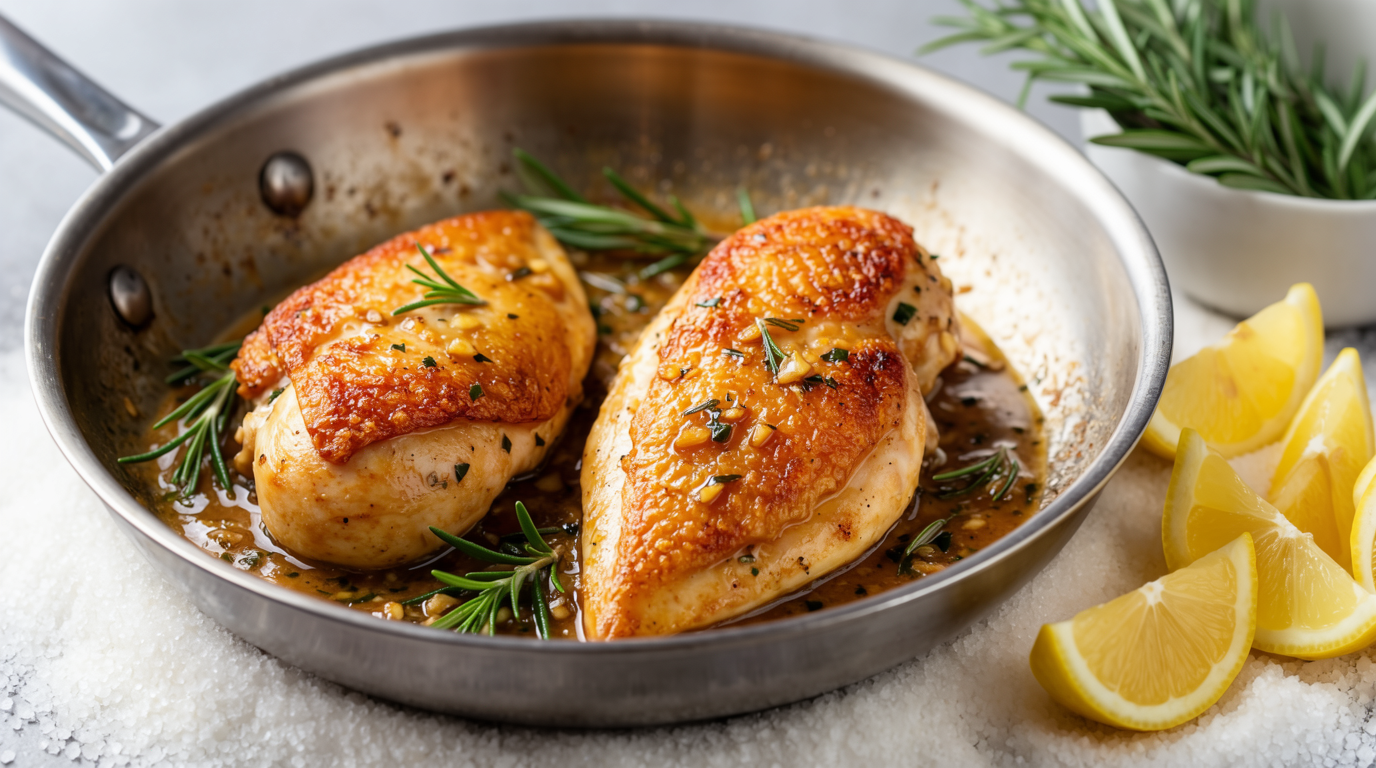
Finding the perfect quick chicken dinner can feel like a challenge when you are juggling a busy schedule. You want a meal that tastes like it came from a professional kitchen but requires minimal effort after a long day.
This delightful recipe transforms simple ingredients into a gourmet experience. It stands out as one of the best weeknight dinner ideas because it balances bright citrus notes with earthy herbs.

You will love how the golden-brown crust locks in moisture, ensuring every bite is tender and flavorful. It is the ultimate solution for home cooks who refuse to sacrifice quality for speed.
Key Takeaways
- Master a restaurant-quality meal in under thirty minutes.
- Learn the secret to achieving a perfectly golden sear every time.
- Discover how fresh herbs elevate basic pantry staples.
- Save time on cleanup by using a single skillet for the entire process.
- Impress your family with a vibrant, citrus-forward flavor profile.
The Art of the Perfect Pan-Roasted Chicken Breast
Mastering the art of pan-roasting chicken is a skill that transforms a simple weeknight dinner into a gourmet experience. Achieving a juicy chicken breast at home requires more than just following a recipe; it demands an understanding of how heat interacts with your ingredients. By focusing on consistent temperature control, you can ensure that your poultry remains tender and succulent every single time.
To create a truly flavorful chicken breast, you must respect the balance between searing and gentle cooking. This process locks in natural juices while developing a deep, savory crust that elevates the entire dish. Consider these fundamental principles for success:
- Temperature Management: Use medium-high heat to initiate the sear without burning the exterior.
- Moisture Retention: Allow the meat to rest after cooking to redistribute internal juices.
- Proper Seasoning: Apply salt and herbs early to ensure flavor penetrates the muscle fibers.
The science behind a perfectly cooked meal is rooted in moisture retention. When you sear the surface, you create a barrier that keeps the interior moist. This technique is essential for anyone looking to serve a juicy chicken breast that avoids the common pitfalls of rubbery or dry textures.
Ultimately, your goal is to build layers of taste through careful preparation. A flavorful chicken breast is the result of patience and attention to detail during the initial searing phase. By mastering these basics, you will gain the confidence to experiment with various herbs and pan sauces in your own kitchen.
Essential Ingredients for Your Lemon-Rosemary Chicken
Every great dish begins with a thoughtful selection of fresh, high-quality ingredients. When you prioritize the items in your kitchen, you set the stage for a truly remarkable culinary experience. By focusing on these core elements, you ensure that your final plate is both balanced and delicious.
Selecting High-Quality Chicken Breasts
The foundation of a flavorful chicken breast is the meat itself. Look for breasts that are firm to the touch and have a clean, pinkish hue. Avoid packages with excess liquid, as this often indicates poor handling or freezing.
Whenever possible, choose organic or pasture-raised options from your local butcher. These selections often provide a superior texture that holds up beautifully during the searing process. Investing in quality protein is the most effective way to elevate your home cooking.
The Role of Fresh Rosemary and Citrus
Bright, aromatic notes are essential for cutting through the richness of the pan-seared meat. Using a fresh herb seasoning like rosemary adds an earthy depth that dried alternatives simply cannot match. The oils in fresh needles release a piney fragrance that defines the character of the dish.
Citrus acts as the perfect counterpoint to these savory herbs. Freshly squeezed lemon juice provides the necessary acidity to balance the palate. When combined, these ingredients create a vibrant profile that makes every bite feel light and sophisticated.
Pantry Staples for the Perfect Pan Sauce
To craft a restaurant-style lemon-rosemary sauce, you need a few reliable staples on hand. These items help you build complexity and a velvety texture in just a few minutes. Keep your pantry stocked with these essentials to ensure you are always ready to cook:
- High-quality chicken stock: Provides a savory base for your reduction.
- Unsalted butter: Essential for emulsifying the sauce and adding a glossy finish.
- Extra virgin olive oil: Ideal for achieving a perfect sear on your flavorful chicken breast.
- Kosher salt and cracked black pepper: The basic building blocks for any fresh herb seasoning.
Having these items ready allows you to focus on the technique rather than searching for missing components. With the right ingredients, your lemon-rosemary sauce will consistently impress your guests and family alike.
Preparing Your Kitchen and Ingredients
Success in the kitchen starts long before the heat hits the pan. Proper kitchen prep for chicken is the secret to achieving professional-level results in your own home. By taking a few extra minutes to organize your workspace, you ensure a smooth and stress-free cooking experience.
Properly Trimming and Pounding Chicken for Even Cooking
Chicken breasts often have an uneven shape, which leads to inconsistent results. The thinner tail end usually cooks much faster than the thick center, often resulting in dry, overcooked meat. Trimming away excess fat and cartilage is a vital first step for a clean presentation.
To solve the issue of uneven thickness, use a meat mallet to gently pound the thicker portions. Place the breast between two sheets of plastic wrap to keep your workspace tidy. This simple technique ensures that the entire piece of meat cooks at the same rate, which is essential when cooking chicken breast to perfection.
Seasoning Techniques for Maximum Flavor
Flavor development relies on how well you apply your ingredients. Using a high-quality fresh herb seasoning allows the aromatics to penetrate deep into the fibers of the meat. Always pat the chicken dry with paper towels before applying any salt or herbs to ensure a better sear.
Massage your seasonings into the surface of the chicken rather than just sprinkling them on top. This method helps the flavors adhere to the meat, creating a delicious crust during the searing process. Consider the following guide to help you prepare your ingredients effectively:
| Preparation Step | Primary Benefit | Recommended Tool |
|---|---|---|
| Trimming Fat | Improves texture | Sharp Chef’s Knife |
| Pounding Meat | Ensures even cooking | Meat Mallet |
| Applying Seasoning | Enhances flavor depth | Clean Hands |
| Surface Drying | Promotes golden crust | Paper Towels |
Mastering the Pan-Roasting Technique
Achieving professional results at home starts with understanding the balance between stovetop searing and oven finishing. This pan-searing technique allows you to develop a deep, flavorful crust while ensuring the interior remains tender and moist. By combining these two heat sources, you gain total control over the final texture of your meal.
Choosing the Right Skillet for Even Heat Distribution
Selecting the correct pan is one of the most important skillet cooking tips for any home chef. A heavy-bottomed stainless steel or cast-iron skillet is ideal because these materials hold heat consistently. Avoid thin aluminum pans, as they often create hot spots that lead to uneven cooking.
| Skillet Material | Heat Retention | Best Use |
|---|---|---|
| Cast Iron | Excellent | High-heat searing |
| Stainless Steel | Good | Pan sauces and searing |
| Non-Stick | Low | Delicate items only |
Achieving the Perfect Golden-Brown Sear
To create high-quality pan-roasted poultry, you must master the art of the sear. Start with a dry chicken surface and a preheated pan to ensure the meat releases easily from the metal. Patience is your best tool here; do not move the chicken until a natural crust has formed.
“The sear is not just about color; it is about building a foundation of flavor that defines the entire dish.”
— Culinary Expert
Transitioning from Stovetop to Oven
Once the exterior is beautifully browned, it is time to move your oven-finished chicken into a preheated oven. This step ensures the thickest part of the breast reaches a safe internal temperature without burning the outside. Always use an oven-safe handle or a dry towel to protect your hands during this transition.
Consistency is key when moving between heat sources. By keeping your oven temperature steady, you allow the residual heat to finish the cooking process gently. This method guarantees that your final dish is succulent, flavorful, and perfectly cooked every single time.
Creating the Signature Lemon-Rosemary Pan Sauce
Once your chicken is perfectly seared, it is time to focus on the most flavorful part of the dish: the pan sauce. This final step transforms simple drippings into a sophisticated culinary component that ties your entire meal together.
Deglazing the Pan to Capture Flavorful Bits
The secret to a deep, complex flavor lies in the brown bits left at the bottom of your skillet, known as fond. By deglazing pan sauce with a splash of chicken stock or white wine, you lift these caramelized proteins into your liquid base. Use a wooden spoon to gently scrape the bottom of the pan while the liquid bubbles and reduces.
Balancing Acidity and Herb Aromatics
A great lemon-rosemary sauce relies on the perfect harmony between bright citrus and earthy herbs. Once the liquid has reduced by half, stir in your fresh rosemary and a squeeze of lemon juice. This combination cuts through the richness of the chicken, providing a vibrant lift to every bite.
Emulsifying the Sauce for a Velvety Finish
To achieve a gourmet pan sauce that coats the back of a spoon, you must finish with a cold knob of butter. Whisk the butter into the pan off the heat to create a glossy, emulsified texture. This technique ensures your sauce feels luxurious and professional.
| Component | Purpose | Key Benefit |
|---|---|---|
| Fond | Base flavor | Deep, savory profile |
| Lemon Juice | Acidity | Brightens the palate |
| Fresh Rosemary | Aromatics | Adds earthy depth |
| Cold Butter | Emulsification | Velvety, rich finish |
Easy Pan-Roasted Chicken Breast with Lemon-Rosemary Pan Sauce chicken: A Step-by-Step Guide
Mastering the perfect meal at home is simpler than you might think. By following a structured approach, you can achieve restaurant-quality results in your own kitchen. This guide will walk you through the essential techniques to ensure your dinner is a success every single time.

Heating the Skillet and Preparing the Oil
Start by placing your heavy-bottomed skillet over medium-high heat. Adding the right amount of oil is crucial for creating a beautiful crust. Wait until the oil shimmers slightly, which indicates it is hot enough to begin the cooking process.
Searing the Chicken to Lock in Juices
Carefully place your seasoned meat into the hot pan. You want to hear a distinct sizzle immediately upon contact. Avoid moving the pieces for a few minutes to ensure you develop a gorgeous golden-brown exterior, which is the secret to a truly juicy chicken breast.
Finishing the Chicken in the Oven
Once the exterior is perfectly seared, transfer your skillet directly into a preheated oven. This oven-finished chicken method allows the heat to circulate evenly, ensuring the center reaches the ideal temperature without drying out the edges. This step is vital for maintaining a consistent texture throughout the entire cut.
Resting the Meat for Optimal Tenderness
After removing the pan from the oven, transfer the meat to a warm plate or cutting board. Let it rest undisturbed for at least five to ten minutes before slicing. This final pause allows the internal juices to redistribute, resulting in a tender chicken breast that remains moist and flavorful with every bite.
Common Mistakes to Avoid When Cooking Chicken Breast
If your chicken often turns out dry or unevenly cooked, you are certainly not alone in that struggle. Even experienced home chefs occasionally face challenges when mastering the pan-searing technique. By identifying these frequent errors, you can transform your kitchen routine and achieve consistent, juicy results every time.
Preventing Dry and Overcooked Poultry
The most common issue when cooking chicken breast is letting the internal temperature climb too high. Once the meat passes the safe threshold of 165°F, the muscle fibers tighten and squeeze out precious moisture. Using a digital meat thermometer is the best way to ensure your dinner remains tender and succulent.
Another frequent mistake is skipping the resting period after the meat leaves the heat. Allowing the chicken to rest for at least five minutes lets the juices redistribute throughout the fibers. If you slice into the meat too quickly, those flavorful juices will simply run out onto your cutting board.
Avoiding Uneven Browning and Searing Issues
Achieving a beautiful, golden-brown crust requires attention to detail during the initial stages of your skillet cooking tips. One major culprit for pale, steamed chicken is excess surface moisture. Always pat your chicken dry with paper towels before it hits the hot oil to ensure a proper sear.
Consider these essential factors to improve your results:
- Avoid overcrowding: Give each piece of chicken enough space in the pan so the temperature does not drop suddenly.
- Control the heat: If your pan is not hot enough, the chicken will stick and fail to develop that signature crust.
- Use the right fat: Choose an oil with a high smoke point, such as avocado or grapeseed oil, to prevent burning during the process.
By refining your approach to these skillet cooking tips, you will gain the confidence to troubleshoot your process in real-time. Consistent practice with your cooking chicken breast routine will soon make these adjustments feel like second nature.
Pairing Suggestions for a Complete Weeknight Meal
A truly memorable meal relies on how well your side dishes harmonize with the bright, herbal notes of your chicken. When you are brainstorming weeknight dinner ideas, the goal is to find accompaniments that elevate the dish without overpowering the delicate lemon and rosemary flavors.
Best Vegetable Sides to Complement Lemon and Rosemary
Fresh vegetables provide a necessary crunch and vibrant color to your plate. Roasted asparagus tossed with a touch of olive oil and sea salt is a fantastic choice, as its earthy profile balances the citrus acidity perfectly.
Alternatively, consider sautéing green beans with slivered almonds or charring broccoli florets until they are tender-crisp. These options keep your meal light and healthy while ensuring every bite feels like a complete, well-rounded dining experience.
Choosing Starches That Soak Up the Pan Sauce
The signature pan sauce is often the highlight of the meal, so you want a starch that can absorb those delicious juices. Creamy polenta or buttery mashed potatoes are excellent vessels for capturing every drop of the lemon-rosemary reduction.
If you prefer something simpler for a quick chicken dinner, a side of crusty sourdough bread or fluffy quinoa works wonders. These starches act as a sponge, allowing you to enjoy the full depth of the pan sauce long after the chicken is gone.
Storing and Reheating Your Leftover Chicken
Mastering the art of storage ensures your meal prep chicken stays juicy and tender. When you take the time to store your food correctly, you preserve the delicate balance of flavors developed during the initial cooking process.

Best Practices for Maintaining Moisture After Refrigeration
To keep your tender chicken breast from drying out, always store it in an airtight container. Placing the meat in the refrigerator while it is still slightly warm can lead to condensation, which may affect the texture.
Follow these simple steps to ensure your leftovers remain high-quality:
- Store the chicken submerged in its remaining pan sauce to lock in moisture.
- Use glass containers, as they provide a better seal than plastic alternatives.
- Consume your refrigerated leftovers within three days for the best taste and safety.
Reheating Methods to Keep the Sauce Fresh
The key to reheating is using gentle heat to prevent the sauce from breaking or becoming oily. If you rush the process, you risk overcooking the meat and losing that tender chicken breast quality you worked so hard to achieve.
Try these methods for the best results:
- Stovetop: Place the chicken and sauce in a skillet over low heat, adding a splash of water or broth to revitalize the emulsion.
- Oven: Cover the dish with foil and warm it at 300°F until heated through, which helps maintain even moisture.
- Avoid Microwaves: High heat often causes the proteins to tighten, resulting in a rubbery texture for your meal prep chicken.
Nutritional Benefits of Pan-Roasted Chicken
Understanding the nutritional profile of your dinner is a great way to support your long-term wellness goals. By choosing healthy chicken recipes, you ensure that your body receives high-quality fuel without unnecessary additives. Preparing meals at home allows you to manage portion sizes and ingredient quality effectively.
Lean Protein and Healthy Cooking Fats
Chicken breast is widely recognized as a powerhouse of lean protein, which is essential for muscle repair and metabolic health. When you examine chicken breast nutrition, you will find it is naturally low in fat while being rich in vital amino acids. Using heart-healthy fats like olive oil during the searing process further enhances the nutritional value of your meal.
“Let food be thy medicine and medicine be thy food.”
Hippocrates
The following table highlights why this cooking method is a smart choice for your daily diet:
| Nutrient | Benefit | Impact |
|---|---|---|
| Lean Protein | Muscle Maintenance | High |
| Healthy Fats | Nutrient Absorption | Moderate |
| Fresh Herbs | Antioxidant Support | High |
Incorporating Fresh Herbs for Antioxidant Boosts
Beyond the protein, pan-roasted poultry benefits significantly from the addition of fresh aromatics. Rosemary is not just for flavor; it contains potent compounds that help fight oxidative stress in the body. By incorporating these fresh herbs, you transform a simple dish into a nutrient-dense experience that supports your overall well-being.
Customizing Your Pan Sauce with Seasonal Variations
Seasonal shifts provide the perfect excuse to refresh your pan sauce repertoire with new, vibrant ingredients. By mastering the core technique, you open the door to endless seasonal sauce variations that keep your weeknight dinners exciting. Experimenting with your own flavor profiles is the hallmark of a confident home cook.
Adding Garlic and Shallots for Depth
If you want to build a more complex foundation, start by sautéing aromatics before deglazing the pan. Finely minced shallots offer a sweet, mild onion flavor that melts perfectly into the sauce. Meanwhile, crushed garlic cloves provide a pungent kick that pairs beautifully with rosemary.
Adding these ingredients early ensures they soften without burning. This simple step creates a gourmet pan sauce that tastes like it came straight from a professional kitchen. You will notice how these aromatics bridge the gap between the savory chicken and the bright citrus notes.
Experimenting with White Wine or Broth Bases
The liquid you choose for deglazing acts as the canvas for your final sauce. A splash of dry white wine, such as Sauvignon Blanc, adds a sophisticated acidity that cuts through the richness of the butter. If you prefer to avoid alcohol, a high-quality chicken bone broth provides a deep, savory intensity that is equally delicious.
Feel free to mix and match these liquids based on what you have in your pantry. Using a splash of vermouth or even a touch of apple cider can lead to unique seasonal sauce variations throughout the year. Every adjustment you make helps you refine your own gourmet pan sauce, ensuring that no two meals ever feel exactly the same.
Conclusion
Mastering this pan-roasted chicken breast recipe provides you with a reliable, flavorful, and healthy option for any night of the week. You now possess the skills to transform simple pantry staples into a restaurant-quality meal right in your own kitchen.
Focusing on proper technique and high-quality ingredients allows you to achieve consistent results every time you cook. The art of the pan sauce brings a professional touch to your dinner table with minimal effort.
We encourage you to practice these steps and enjoy the creative process of preparing fresh poultry. Share your favorite variations with friends or family to spread the joy of home-cooked food. Your journey toward becoming a more confident cook starts with this versatile dish.
FAQ
Why is my pan-roasted chicken breast often dry or tough?
The most common culprit for dry poultry is overcooking. To ensure your Bell & Evans chicken stays juicy, use a reliable meat thermometer like a Thermapen to check for an internal temperature of 165°F. Additionally, skipping the resting period allows the juices to escape; letting the meat sit for five minutes ensures every bite remains tender and flavorful.
What type of skillet is best for achieving a restaurant-quality sear?
For the best results, you want a heavy-bottomed, oven-safe pan that provides even heat distribution. A Lodge Cast Iron Skillet or a stainless steel pan from All-Clad is ideal. These materials hold heat exceptionally well, which is essential for creating that beautiful golden-brown crust before you transfer the chicken to the oven.
Can I use dried rosemary instead of fresh sprigs for the pan sauce?
While you can use dried herbs in a pinch, we highly recommend fresh rosemary for this recipe. Fresh herbs offer a bright, piney aroma and essential oils that dried versions simply can’t match. If you must use dried, remember that it is more potent; use about one-third of the amount called for in the recipe to avoid an overpowering flavor.
Why is it necessary to pound the chicken breast before cooking?
Chicken breasts are naturally uneven, with one side much thicker than the other. By using a meat mallet to gently pound the meat to a uniform thickness, you ensure that the entire piece cooks at the same rate. This prevents the thinner “tail” of the breast from drying out while the center reaches the safe internal temperature.
How do I create a velvety “emulsified” pan sauce without it breaking?
The secret to a professional lemon-rosemary pan sauce is the technique of whisking in cold butter at the very end. Once you have deglazed the pan with your broth or a splash of Sutter Home White Wine, remove the skillet from the heat and whisk in small pats of cold Kerrygold butter. This creates a smooth, glossy emulsion that coats the back of a spoon perfectly.
What are the best side dishes to serve with this lemon-rosemary chicken?
To complement the bright citrus notes, try serving the chicken alongside roasted asparagus or sautéed garlic spinach. For starches, creamy polenta or a bed of Rice Select Jasmine Rice works beautifully because they act as a delicious sponge for the extra pan sauce, ensuring none of that flavor goes to waste.
Can I add other aromatics like garlic or shallots to the sauce?
Absolutely! Adding minced garlic or finely diced shallots during the last minute of searing—just before you deglaze the pan—adds incredible depth and complexity. It’s a simple way to customize the recipe and tailor it to your family’s flavor preferences.
What is the best way to reheat leftovers so the chicken stays moist?
To avoid the “rubbery” texture that comes with microwaving, we recommend reheating your chicken in a covered skillet over low heat. Add a tablespoon of chicken broth or water to the pan to create a bit of steam, which helps the meat retain its moisture and keeps the lemon-rosemary flavor tasting fresh.
Is pan-roasted chicken a healthy option for a weeknight dinner?
Yes! This dish is an excellent source of lean protein and utilizes healthy cooking fats like Bertolli Extra Virgin Olive Oil. By incorporating fresh herbs like rosemary, you are also adding a boost of antioxidants to your meal, making it a nutritious choice for the whole family.
What does “deglazing the pan” actually mean?
Deglazing is the process of adding liquid (like broth, wine, or lemon juice) to a hot pan to loosen the fond—those flavorful, caramelized browned bits stuck to the bottom after searing. These bits are concentrated flavor gold and form the savory foundation of your signature pan sauce.