
How to Make Slow-cooked Chicken with Peas Carrots and Gravy
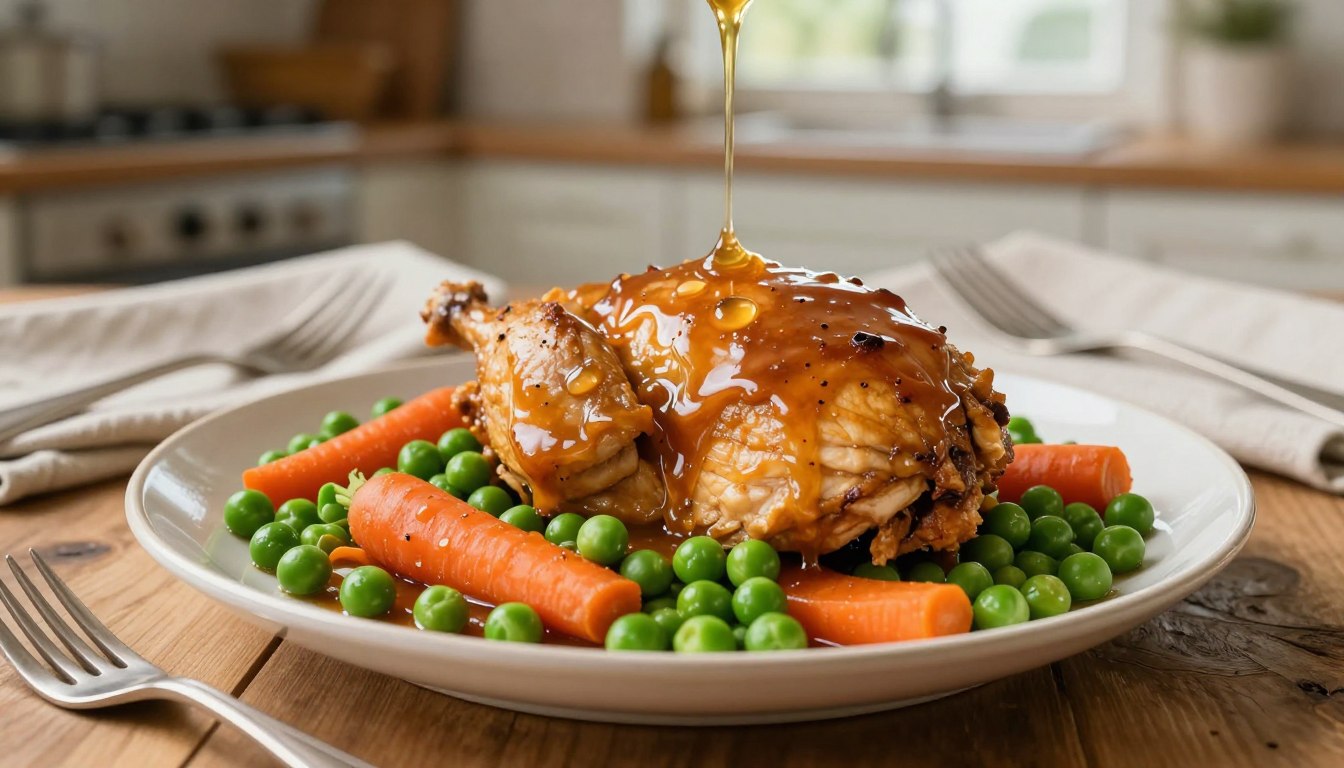
Are you looking for a stress-free way to serve a wholesome dinner after a long day? Preparing a Slow-cooked Chicken with Peas, Carrots and Gravy is the perfect solution for busy families. This classic meal brings comfort to your table while ensuring you get a balanced, nutritious dish without spending hours in the kitchen.
Using a slow cooker recipe allows the flavors to meld beautifully over time. You will find that this method keeps the meat incredibly tender and moist. It is truly a staple for any home cook who values both convenience and quality.
By following this simple slow cooker recipe, you can master a hearty meal that everyone will love. Let us guide you through the steps to create a dinner that is as delicious as it is easy to prepare.
Key Takeaways
- Discover how to save time on busy weeknights with simple meal prep.
- Learn the secret to achieving perfectly tender meat every single time.
- Understand the nutritional benefits of combining lean protein with fresh vegetables.
- Master a reliable method for creating rich, flavorful sauce from scratch.
- Gain confidence in using your kitchen appliances to simplify your cooking routine.
Why Slow-cooked Chicken with Peas, Carrots and Gravy is the Ultimate Comfort Food
There is something truly magical about the aroma of a Slow-cooked Chicken with Peas, Carrots and Gravy filling your home after a long day. This dish represents the gold standard of homemade comfort food, offering a sense of warmth and nostalgia that few other meals can provide. By choosing to cook low and slow, you allow flavors to meld together, creating a depth of taste that is simply impossible to rush.

The Benefits of Slow Cooking for Busy Families
For many households, finding time to prepare a nutritious dinner is a daily challenge. A hearty slow-cooked meal acts as a reliable solution, allowing you to prep ingredients in the morning and return to a finished dish in the evening. This approach turns your kitchen into a stress-free zone, ensuring that a family-friendly dinner is always ready when you need it most.
Beyond the convenience, this method offers several practical advantages for your busy lifestyle:
- Time Efficiency: Spend minutes prepping in the morning to save hours of active cooking time later.
- Consistent Results: The gentle heat prevents burning, ensuring your chicken remains tender every single time.
- Budget-Friendly: Slow cooking allows you to use affordable cuts of meat that become succulent and flavorful over time.
Nutritional Value of Chicken and Root Vegetables
Choosing this dish is not just about the taste; it is also a smart way to fuel your body with essential nutrients. As a classic comfort food, this meal balances high-quality protein from the chicken with the vitamins found in fresh root vegetables. It is a wholesome, family-friendly meal that provides the energy your loved ones need to thrive.
Consider the nutritional profile of these key ingredients:
| Ingredient | Primary Benefit | Key Nutrient |
|---|---|---|
| Chicken Breast/Thigh | Muscle Repair | Lean Protein |
| Carrots | Eye Health | Vitamin A |
| Peas | Digestive Health | Fiber |
By combining these ingredients, you create a balanced plate that supports overall wellness. You can feel confident serving this dish, knowing that you are providing a meal that is as nourishing as it is delicious.
Essential Ingredients for Your Slow Cooker Meal
Mastering your easy slow cooker recipe begins long before you turn the dial on your appliance. The quality of your components directly influences the final taste and texture of your dinner. By selecting the right items, you ensure a consistent and delicious outcome every time you cook.

Selecting the Best Cuts of Chicken
When preparing a slow cooker recipe, the cut of meat you choose is vital. Chicken thighs are often preferred because they contain more fat and connective tissue, which prevents them from drying out during long cooking cycles. While chicken breasts are leaner, they can become stringy if cooked for too many hours.
If you prefer white meat, consider adding it during the final hour of cooking to maintain moisture. Choosing bone-in pieces can also add extra depth to your sauce as the marrow breaks down. This simple choice significantly impacts the richness of your meal.
Choosing Fresh Versus Frozen Vegetables
Deciding between fresh and frozen produce depends on your desired texture. Fresh carrots and peas offer a crisp bite, but they may lose their vibrant color if left in the pot for too long. Frozen vegetables are often flash-frozen at peak ripeness, making them a convenient option for a flavorful chicken and vegetable recipe.
If you use frozen vegetables, add them toward the end of the cooking process to prevent them from becoming mushy. Fresh root vegetables, like carrots, hold up well to the heat and should be added at the start. This balance ensures that every ingredient retains its integrity.
Building a Flavorful Liquid Base
A robust liquid base acts as the foundation for your entire dish. Start with a high-quality chicken stock or broth to provide a savory depth that water simply cannot match. You can enhance this base by incorporating aromatics like garlic, onions, and fresh herbs.
Consider the following table to help you make the best choices for your next meal:
| Ingredient Type | Best Choice | Cooking Benefit |
|---|---|---|
| Chicken Cut | Thighs | Stays tender and juicy |
| Vegetables | Fresh Carrots | Maintains structure and flavor |
| Liquid Base | Chicken Stock | Adds savory, deep notes |
| Seasoning | Dried Herbs | Infuses flavor throughout |
Preparing Your Chicken and Vegetables
Proper preparation serves as the foundation for every successful simple crockpot dinner. Taking a few extra minutes to organize your workspace ensures that your meal cooks evenly and tastes fantastic. By following these foundational steps, you set yourself up for a stress-free cooking experience.
Cleaning and Chopping Techniques
Start by thoroughly washing your vegetables under cold running water to remove any debris. When chopping, aim for uniformity in your cuts to ensure everything reaches the perfect tenderness at the same time. Larger chunks of carrots and potatoes work best for long, slow cooking cycles.
Consistency in size prevents some pieces from turning into mush while others remain undercooked. Keep your vegetable pieces roughly one to two inches in size for the best results. This simple habit makes a significant difference in the final texture of your meal.
Seasoning the Chicken for Maximum Flavor
To create a delicious chicken stew, you must season the meat before it enters the slow cooker. Pat the chicken dry with a paper towel to help the seasonings adhere properly to the surface. A generous coating of salt, pepper, and dried herbs like thyme or rosemary builds a deep flavor profile.
Do not be afraid to use a dry rub or a marinade to infuse the chicken with savory notes. Massaging the spices into the meat ensures that every bite is packed with flavor. This step is vital because the slow cooking process will gently meld these seasonings into the liquid base.
Layering Ingredients in the Crockpot
Strategic layering is the final step in crafting your one-pot chicken dish. Always place the denser root vegetables at the bottom of the crockpot, as they require more heat to soften. Position the seasoned chicken directly on top of the vegetables to allow the juices to drip down during the cooking process.
Avoid overfilling your slow cooker to ensure proper heat circulation throughout the vessel. By keeping the lid closed, you trap the steam and moisture needed for a tender finish. Following this order of operations guarantees that your ingredients cook in harmony for a truly satisfying meal.
Setting Up Your Slow Cooker for Success
Proper preparation of your slow cooker is essential for a delicious, stress-free dinner. Mastering your appliance is the secret to executing an easy slow cooker recipe that yields consistent, professional results every time you cook.
Understanding Low Versus High Heat Settings
Most modern slow cookers offer two primary heat settings. The Low setting maintains a temperature of approximately 200°F, while the High setting reaches about 300°F. Choosing the right setting is vital for your simple crockpot dinner.
Generally, the Low setting is ideal for tougher cuts of meat that benefit from a long, slow breakdown. High heat works best when you are in a hurry or need to cook vegetables that require a bit more intensity to soften properly.
| Setting | Best Use Case | Cooking Speed |
|---|---|---|
| Low | Tough meats, stews | Slow and steady |
| High | Quick meals, soups | Faster results |
| Warm | Serving temperature | Not for cooking |
Managing Cooking Times for Optimal Texture
Timing is everything when you want to avoid mushy vegetables or dry chicken. If you cook your ingredients for too long, the texture will suffer significantly. Always aim to follow the recommended times to ensure your meal maintains its integrity.
If you find that your dish is finishing faster than expected, check the internal temperature early. Adjusting your schedule helps you maintain the perfect balance of tender meat and firm, flavorful vegetables.
Safety Tips for Slow Cooking Poultry
Food safety is a top priority when preparing an easy dinner idea involving raw chicken. Always ensure your slow cooker is placed on a flat, heat-resistant surface away from water sources. Never leave raw poultry at room temperature before adding it to the pot.
- Always thaw frozen chicken completely in the refrigerator before cooking.
- Use a meat thermometer to ensure the chicken reaches an internal temperature of 165°F.
- Keep the lid closed as much as possible to maintain a safe, consistent heat level.
Mastering the Homemade Gravy Process
Once your chicken is tender, the liquid remaining in your slow cooker becomes the foundation for a savory finish. You can easily transform these flavorful juices into a homemade gravy that ties your entire meal together. This final step ensures that every bite of chicken and vegetables is coated in a rich, velvety sauce.
Thickening the Cooking Juices
To begin, strain the liquid from your slow cooker into a saucepan to remove any small bits of herbs or vegetables. Bring the liquid to a gentle simmer over medium heat. This reduction process concentrates the flavors, creating a more intense base for your sauce.
While the liquid simmers, you must decide on your thickening agent. A proper homemade gravy relies on a smooth slurry to achieve the right texture without creating lumps. Whisk your chosen thickener with a small amount of cold water before adding it to the hot liquid.
Using Cornstarch Versus Flour Slurries
Choosing between cornstarch and flour depends on the final texture you prefer. Cornstarch provides a glossy, translucent finish, while flour creates a more opaque and traditional look. The following table highlights the key differences to help you decide.
| Thickener | Texture | Appearance | Best Use |
|---|---|---|---|
| Cornstarch | Silky and light | Glossy/Clear | Quick, light sauces |
| All-Purpose Flour | Hearty and thick | Opaque/Matte | Classic comfort meals |
| Arrowroot | Very smooth | Clear | Gluten-free needs |
Balancing Seasonings for a Rich Finish
After thickening your sauce, taste it carefully to evaluate the flavor profile. You may find that the homemade gravy needs a final adjustment to reach its full potential. A small pinch of salt or a dash of black pepper can often brighten the savory notes significantly.
If the sauce feels too heavy, a tiny splash of apple cider vinegar or fresh lemon juice can add a bright, acidic balance. Always add seasonings in small increments, stirring well between each addition. This careful approach ensures your final sauce is perfectly seasoned and ready to serve.
Tips for Achieving Tender and Flavorful Results
Creating a restaurant-quality meal at home is simpler than you might think when you follow these professional tips. Even with a reliable slow cooker, you need specific methods to ensure your meal stays succulent and perfectly cooked every time.
Preventing Overcooked or Dry Chicken
The secret to a delicious chicken stew lies in managing your cooking time effectively. Poultry can become stringy if left on high heat for too long, so try to use the low setting whenever your schedule allows.
“Cooking is like painting or writing a song. Just as there are only so many notes or colors, there are only so many flavors—it’s how you combine them that sets you apart.” — Wolfgang Puck
Always ensure your chicken is fully submerged in the liquid base to keep it moist. If you notice the meat looks dry, you may have cooked it past the point of tenderness, so check the internal temperature early.
Enhancing the Dish with Fresh Herbs
Adding fresh herbs at the very end of the cooking process is a game-changer for your flavorful chicken and vegetable recipe. While dried herbs are great for long simmering, fresh parsley, dill, or chives provide a bright, aromatic finish.
Simply stir in your chopped herbs just before serving to preserve their vibrant color and essential oils. This small step transforms a standard meal into a gourmet experience that delights the senses.
Adjusting Consistency to Your Preference
You might find that your sauce needs a little extra attention once the cooking cycle ends. If you prefer a thicker gravy, whisk a small amount of cornstarch with cold water and stir it into the pot while it is still hot.
Conversely, if the sauce is too thick for your liking, add a splash of warm chicken broth to reach your desired texture. This simple adjustment ensures your delicious chicken stew is perfectly balanced for your family’s taste.
Remember that a flavorful chicken and vegetable recipe is all about personal preference. Feel free to experiment with these adjustments until you find the perfect consistency that makes your dinner truly special.
Serving Suggestions for a Hearty Family Dinner
Once your kitchen fills with the savory aroma of your dinner, it is time to focus on the final presentation. Transforming your hearty slow-cooked meal into a restaurant-quality experience is easier than you might think. With a few thoughtful touches, you can turn a standard family-friendly dinner into a special occasion that everyone will enjoy.
Pairing with Mashed Potatoes or Crusty Bread
The rich, savory gravy is often the highlight of this dish. Serving it over a bed of creamy, buttery mashed potatoes provides the perfect base to soak up every drop of flavor. You might also consider a side of warm, crusty sourdough bread to help clean the plate.
These classic pairings add a satisfying texture that complements the tender chicken and vegetables. Simple additions like these turn a basic recipe into a truly comforting feast.
Creating a Balanced One-Pot Meal Presentation
When you are ready to serve your one-pot chicken dish, consider the visual appeal of the plate. Using a wide, shallow bowl allows you to showcase the vibrant colors of the carrots and peas against the golden-brown chicken. A sprinkle of fresh parsley or chives right before serving adds a pop of color that makes the meal look fresh and inviting.
You can also serve the meal family-style by placing the entire slow cooker insert on a heat-safe trivet in the center of the table. This encourages everyone to serve themselves, creating a warm and communal atmosphere.
Storing and Reheating Leftovers Safely
If you have leftovers, proper storage is essential to maintain the quality of your family-friendly meal. Allow the food to cool slightly before transferring it into airtight containers. You should place these in the refrigerator within two hours of cooking to ensure food safety.
When you are ready to enjoy this easy dinner idea again, reheat the portions gently on the stovetop over low heat. Adding a small splash of water or chicken broth can help loosen the gravy and restore its original consistency. Proper care ensures that your second meal tastes just as delicious as the first.
Conclusion
Mastering this slow-cooked meal brings the genuine warmth of homemade comfort food into your kitchen with very little effort. You now possess the skills to transform simple ingredients into a nourishing feast for your loved ones.
Consistency remains the key to success in your culinary journey. By following these specific techniques, you produce tender chicken and vibrant vegetables every single time. This reliable method ensures your dinner plans remain stress-free throughout the busy work week.
The secret to elevating your meal lies in the rich homemade gravy you create at the end of the process. This savory addition ties every element together, providing a depth of flavor that defines true comfort food. Your family will appreciate the time and care you put into every bite.
Start your slow cooker today to experience the satisfaction of a perfectly prepared dinner. Share your results with friends or experiment with new herbs to make the recipe your own. Your kitchen is ready to become the heart of your home with these classic, wholesome dishes.
FAQ
Which chicken cut is best for this slow-cooked chicken with peas, carrots and gravy?
While you can use chicken breasts, boneless, skinless chicken thighs are highly recommended for this slow cooker recipe. Thighs contain more moisture and natural fat, which prevents them from drying out during the long simmering process, ensuring your delicious chicken stew remains tender and succulent throughout the day.
Can I use frozen vegetables in this simple crockpot dinner?
Absolutely. Using frozen peas and carrots from reputable brands like Birds Eye is a great way to save time on your easy dinner idea. For the best results, add the frozen peas during the last 30 to 45 minutes of cooking to preserve their bright color and firm texture in your flavorful chicken and vegetable recipe.
How do I achieve a thick homemade gravy without it becoming lumpy?
To create a velvety sauce for your hearty slow-cooked meal, whisk two tablespoons of Argo Cornstarch with equal parts cold water to create a smooth slurry. Stir this mixture into your Crock-Pot during the final 30 minutes of cooking. This technique ensures a professional, lump-free finish for your homemade comfort food.
Is it better to cook this one-pot chicken dish on the low or high setting?
For the most flavorful results, you should use the low heat setting on your appliance. Cooking the meat slowly over 6 to 8 hours allows the flavors to meld and ensures the chicken is fork-tender, providing a more authentic homemade comfort food experience than the high setting typically offers for a family-friendly dinner.
What are the best serving suggestions for this family-friendly meal?
This flavorful chicken and vegetable recipe pairs perfectly with creamy mashed potatoes made with Land O’Lakes butter or a side of crusty King Arthur Baking flour-based artisan bread. These sides are ideal for soaking up every drop of the rich homemade gravy.
How long can I safely store leftovers of this easy slow cooker recipe?
You can store leftovers in an airtight Pyrex or Rubbermaid container in the refrigerator for up to four days. This easy dinner idea often tastes even better the next day as the seasonings continue to develop, making it a convenient and hearty slow-cooked meal for your busy schedule.
What can I add to enhance the savory profile of the liquid base?
To build a robust foundation for your delicious chicken stew, start with a high-quality stock like Swanson Chicken Broth. You can also add a teaspoon of Better Than Bouillon Roasted Chicken Base or a splash of Holland House white cooking wine for an extra layer of savory depth in your one-pot chicken dish.