
Quick Teriyaki Salmon Donburi Bowl Recipe for Busy Nights
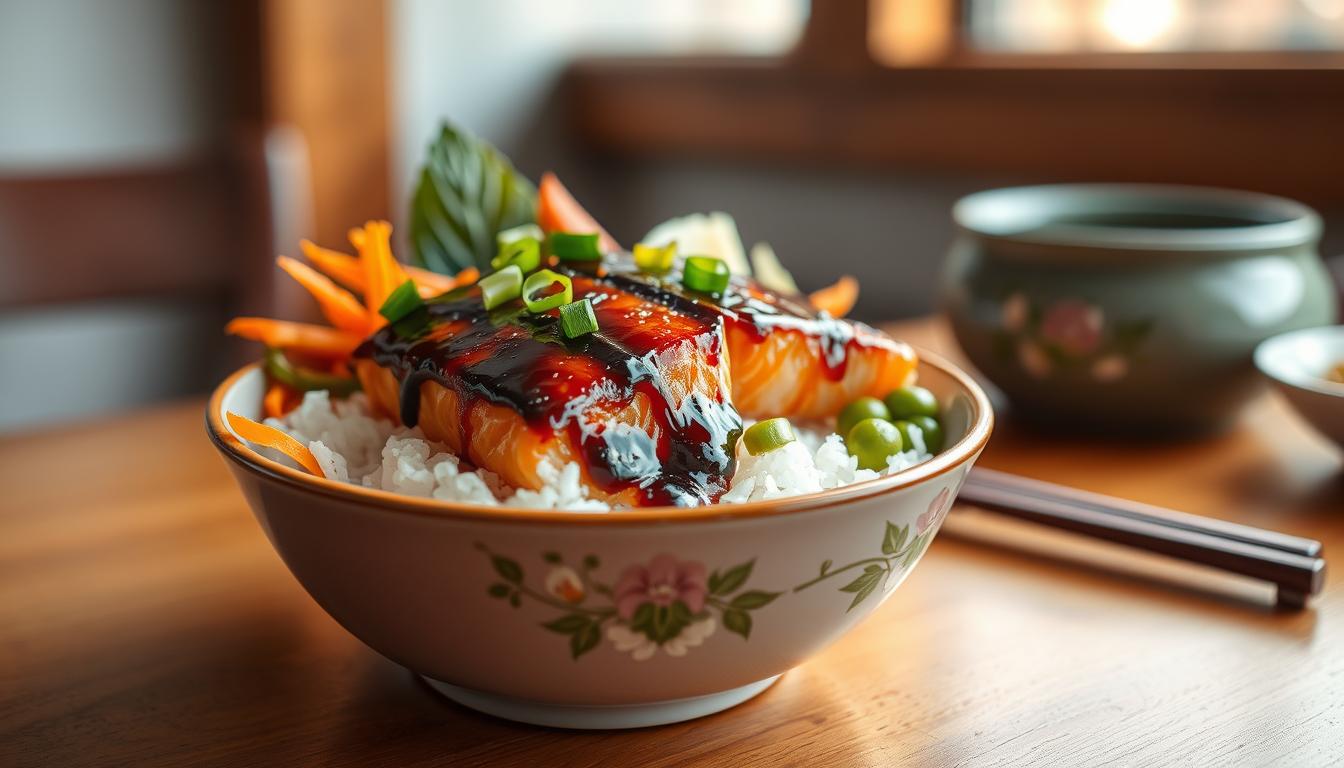
Do you often find yourself staring at the pantry after a long day, wishing for a delicious meal that does not take hours to prepare? Balancing a hectic work schedule with the desire for healthy, home-cooked food is a common challenge. Fortunately, you can transform simple ingredients into a restaurant-quality dinner in under thirty minutes.
The Teriyaki Salmon Donburi Bowl is the perfect solution for your busy lifestyle. This dish combines fresh protein with savory glazes to create a satisfying experience that feels indulgent yet remains incredibly easy to assemble.
By mastering this Teriyaki Salmon Donburi Bowl, you reclaim your evenings without sacrificing flavor. It is time to simplify your kitchen routine while enjoying a meal that tastes like it came straight from a professional chef.
Key Takeaways
- Learn to prepare a gourmet-style dinner in less than thirty minutes.
- Discover how to balance a busy schedule with nutritious home cooking.
- Master the art of creating savory glazes with minimal effort.
- Understand the benefits of using fresh, high-quality ingredients for quick meals.
- Gain confidence in the kitchen with simple, repeatable cooking techniques.
Why the Teriyaki Salmon Donburi Bowl is the Ultimate Weeknight Meal
If you want a meal that balances speed with incredible flavor, look no further than the classic Japanese rice bowl. This dish offers a perfect solution for those hectic evenings when you need something satisfying without spending hours in the kitchen.
By choosing a salmon donburi, you bring the refined essence of Japanese cuisine directly to your dining table. It is a testament to how simple ingredients can create a truly memorable dining experience.

The Appeal of Japanese Rice Bowls
The beauty of the rice bowl lies in its inherent versatility and ease of assembly. You can customize your bowl with various textures and colors, making every meal feel fresh and exciting.
“The secret to a great bowl is the harmony between the seasoned protein and the steamed grains beneath it.”
This style of eating encourages a mindful approach to your dinner. It transforms a standard weeknight meal into a structured, beautiful presentation that feels like a treat after a long day.
Nutritional Benefits of Salmon and Rice
Embracing healthy eating does not mean you have to sacrifice taste or convenience. The combination of high-quality protein from the fish and complex carbohydrates from the rice provides sustained energy for your body.
Salmon is packed with essential omega-3 fatty acids, which support your overall well-being. When paired with steamed rice, you get a balanced profile that keeps you full and focused.
Incorporating this salmon donburi into your weekly rotation is a smart move for your health. It proves that Japanese cuisine can be both accessible and incredibly nourishing for your busy lifestyle.
Essential Ingredients for Your Teriyaki Salmon Donburi Bowl
Your journey toward a perfect teriyaki bowl begins with the careful selection of fresh components. When you prioritize quality, you transform a simple dinner into a restaurant-grade experience. Embracing healthy eating starts with choosing ingredients that provide both flavor and nutritional value.

Selecting the Best Salmon Fillets
The star of your dish is undoubtedly the fish. Look for fillets that appear firm and moist, with a vibrant, deep pink or orange hue. Avoid any fish that has a dull surface or a strong, fishy odor, as these are signs of poor quality.
“Freshness is the most important ingredient in any seafood dish, as it dictates both the texture and the clean, delicate flavor of the final meal.”
Choosing the Right Rice Varieties
The foundation of a great Teriyaki Salmon Donburi Bowl is the rice. You should opt for short-grain Japanese rice, often labeled as sushi rice, because it has the perfect starch content to remain slightly sticky.
- Short-grain rice: Provides the ideal clingy texture.
- Medium-grain rice: A suitable alternative if short-grain is unavailable.
- Brown rice: A fiber-rich option for those seeking a heartier bite.
Balancing Soy Sauce, Mirin, and Sugar
Creating an authentic glaze requires a precise balance of salty, sweet, and umami notes. You can adjust these ratios to suit your personal preference, but starting with a standard base ensures a glossy, professional finish.
| Ingredient | Purpose | Flavor Profile |
|---|---|---|
| Soy Sauce | Saltiness | Savory/Umami |
| Mirin | Sweetness/Gloss | Mild/Sweet |
| Sugar | Caramelization | Sweet |
Adding Aromatics like Ginger and Garlic
To elevate your teriyaki bowl, do not overlook the power of aromatics. Freshly grated ginger adds a bright, zesty kick, while minced garlic provides a deep, savory undertone. Incorporating these simple additions ensures your sauce tastes complex and homemade rather than store-bought.
Preparing Your Kitchen for Efficient Cooking
Creating a delicious teriyaki bowl starts long before you turn on the stove. By organizing your workspace, you eliminate the chaos that often accompanies home cooking. This systematic approach ensures that every component of your meal comes together smoothly and without unnecessary stress.
When you prepare your ingredients in advance, you gain total control over the cooking process. This method is particularly helpful when you want to assemble a quick lunch bowl during a busy workday. You will find that having everything ready allows you to focus on the perfect sear of the salmon rather than hunting for missing spices.
Time-Saving Mise en Place Techniques
Mise en place is a French culinary term that simply means “everything in its place.” To master this, start by chopping your vegetables and measuring your sauce ingredients before you heat your pan. Place these items in small bowls or on a clean tray near your stove.
This preparation strategy prevents the common mistake of burning your glaze while you scramble to find a whisk. By grouping your ingredients by the order in which they enter the pan, you streamline your workflow significantly. You will notice that your total time in the kitchen drops, making it easier to enjoy your meal.
Must-Have Kitchen Tools for Donburi
Having the right equipment is essential for achieving professional results at home. A high-quality non-stick skillet is vital for searing salmon without tearing the delicate skin. Additionally, a sharp chef’s knife makes quick work of slicing fresh vegetables for your lunch bowl.
Consider the following tools to elevate your teriyaki bowl preparation:
| Tool Name | Primary Function | Why It Matters |
|---|---|---|
| Non-stick Skillet | Searing Salmon | Prevents sticking and skin damage. |
| Silicone Spatula | Glazing and Flipping | Protects the pan surface and delicate fish. |
| Sharp Chef’s Knife | Vegetable Prep | Ensures clean cuts and uniform sizes. |
| Measuring Spoons | Sauce Accuracy | Maintains the perfect flavor balance. |
Step-by-Step Guide to Cooking the Perfect Salmon
Creating a delicious salmon bowl starts with the fundamental skill of pan-searing. When you master the heat, you transform simple ingredients into a restaurant-quality seafood bowl right in your own kitchen.
Pan-Searing for Crispy Skin
To achieve that signature crunch, start by patting your salmon fillets completely dry with a paper towel. Moisture is the enemy of crispiness, so removing surface water is essential for a golden sear.
Heat a tablespoon of oil in a non-stick pan over medium-high heat until it shimmers. Place the salmon skin-side down and press gently with a spatula to ensure even contact. Let it cook undisturbed for several minutes until the skin releases easily from the pan.
Mastering the Glazing Process
Once your fish is seared, it is time to introduce the teriyaki sauce. Pour the glaze into the pan only during the final minute of cooking to prevent the sugars from burning.
Tilt the pan slightly and spoon the bubbling sauce over the fillets repeatedly. This basting technique ensures your salmon donburi features a glossy, flavorful coating that clings perfectly to the fish.
Checking for Doneness
You want your salmon to remain tender and moist rather than dry. The best way to check for doneness is to press the thickest part of the fillet with a fork.
If the flesh flakes easily and appears opaque throughout, your delicious salmon bowl is ready to serve. Avoid overcooking, as the residual heat will continue to firm up the fish once you remove it from the heat source. This careful approach guarantees a perfect seafood bowl every time you prepare this salmon donburi.
Assembling Your Teriyaki Salmon Donburi Bowl
The art of plating your meal transforms simple ingredients into a stunning Teriyaki Salmon Donburi Bowl. Proper assembly ensures that every mouthful offers a harmonious blend of textures and savory notes. By following a few simple steps, you can elevate your home cooking to a professional standard.
Layering the Rice Base
Start by selecting a wide, shallow bowl that allows you to showcase your ingredients clearly. Begin with a generous scoop of steaming, fluffy short-grain rice as your foundation. Ensure the rice is warm, as this provides the perfect canvas for the glazed fish to rest upon.
Spread the rice evenly across the bottom of the bowl to create a stable base. This layer acts as a sponge, absorbing the excess teriyaki sauce that drips from the salmon. A well-prepared base is the secret to a truly satisfying meal.
Adding Fresh Vegetable Toppings
Once your rice is set, introduce vibrant colors and textures to your lunch bowl. Consider adding thinly sliced cucumbers or blanched snap peas for a refreshing, crisp bite. These vegetables provide a necessary contrast to the rich, tender salmon fillet.
Arrange your chosen vegetables in small, distinct clusters around the edge of the bowl. This technique keeps the flavors clean and makes the dish visually appealing. You can also add shredded carrots or pickled ginger to brighten the overall profile of the dish.
Garnishing for Texture and Flavor
The final step involves adding garnishes that provide both visual flair and a burst of flavor. Sprinkle toasted sesame seeds over the salmon to add a subtle, nutty crunch. Finely sliced scallions are also essential, as they add a sharp, fresh bite that cuts through the sweetness of the glaze.
For an extra touch of sophistication, consider a light dusting of shichimi togarashi or a drizzle of spicy mayo. These small additions turn a simple Teriyaki Salmon Donburi Bowl into a complex culinary experience. Take a moment to appreciate your creation before enjoying your delicious, homemade meal.
Customizing Your Bowl with Asian Fusion Twists
Why settle for the ordinary when you can customize your meal with exciting new flavor profiles? By embracing Asian fusion concepts, you can turn a standard teriyaki bowl into a unique culinary masterpiece that reflects your personal taste.
Incorporating Spicy Elements
If you crave a bit of heat, consider drizzling your dish with chili oil or adding a swirl of sriracha. These additions provide a bold kick that cuts through the richness of the fish.
You might also try thinly sliced fresh jalapeños or a dash of shichimi togarashi. These spicy accents elevate your seafood bowl by adding layers of complexity to every bite.
Adding Pickled Vegetables for Tang
Pickled ingredients are essential for balancing the sweetness of the glaze. Quick-pickled red onions or classic ginger provide a refreshing crunch that cleanses the palate.
Try experimenting with pickled daikon radish or carrots seasoned with rice vinegar. These tangy elements introduce a bright acidity that makes your meal feel vibrant and light.
Experimenting with Topping Variations
Don’t be afraid to venture beyond traditional garnishes to find your perfect combination. Toasted sesame seeds, shredded nori, or even creamy avocado slices can add delightful textures to your bowl.
You could also incorporate edamame or crispy fried shallots for an extra layer of interest. Customizing your teriyaki bowl this way ensures that your dinner routine remains exciting and full of discovery.
Common Mistakes to Avoid When Making Donburi
Achieving a restaurant-quality result is easier when you know which errors to watch out for. Even the most passionate home cooks can occasionally stumble when preparing a classic Japanese dish. By identifying these frequent traps, you ensure every salmon donburi you serve is a success.
Preventing Overcooked Salmon
The most common error involves leaving the fish on the heat for too long. Salmon is delicate and continues to cook even after you remove it from the pan. You should aim to pull the fillet off the heat when it is just opaque in the center to maintain a moist, tender texture.
Always use a medium-high heat setting to achieve a nice sear without drying out the interior. If you are unsure, use a fork to gently flake the thickest part of the fish. If it separates easily, your delicious salmon bowl is ready to be served.
Managing Rice Texture and Moisture
A perfect rice bowl relies heavily on the quality of the base. Many cooks accidentally use too much water, resulting in mushy grains that lack structure. Always rinse your rice thoroughly under cold water until the liquid runs clear to remove excess starch.
Once cooked, let the rice sit covered for five minutes before fluffing it with a paddle. This simple step allows the moisture to distribute evenly throughout the pot. Proper preparation ensures your grains remain distinct and fluffy rather than clumpy.
Balancing Saltiness in the Sauce
Teriyaki sauce can quickly become overwhelming if the salt content is not managed correctly. If your sauce tastes too sharp, try adding a small amount of mirin or a splash of water to mellow the profile. You can also incorporate a touch of honey or brown sugar to provide a balanced sweetness that cuts through the soy sauce.
Always taste your glaze before pouring it over the fish. Adjusting the seasoning early prevents the final dish from becoming overly aggressive on the palate. A harmonious sauce is the secret to a truly professional meal.
| Common Error | Impact on Dish | Quick Fix |
|---|---|---|
| Overcooking Salmon | Dry, tough texture | Remove from heat early |
| Excessive Starch | Mushy, sticky rice | Rinse until water clears |
| High Sodium | Overpowering saltiness | Add mirin or water |
Conclusion
Creating a restaurant-quality meal at home feels rewarding when you have the right approach. You now possess the skills to transform simple ingredients into a balanced dish that fits your busy schedule.
Practice these techniques to gain confidence in your cooking abilities. You will soon find that preparing authentic Japanese cuisine becomes second nature in your own kitchen.
Experimenting with new flavors allows you to explore the creative side of Asian fusion cooking. You can adjust the spice levels or swap vegetables based on what you have in your pantry.
Your journey toward better home cooking starts with these small, consistent steps. Share your favorite bowl variations with friends or family to spread the joy of a well-made meal.
Keep your kitchen stocked with high-quality staples to ensure you are always ready to whip up a nutritious dinner. Your dining table will benefit from the fresh, vibrant energy of these simple recipes.
FAQ
What exactly is a teriyaki salmon donburi bowl and why is it popular for weeknights?
A salmon donburi is a traditional dish from Japanese cuisine consisting of a savory seafood bowl served over a steaming bed of rice. It is the ultimate weeknight meal because you can transform simple ingredients into a restaurant-quality teriyaki bowl in under thirty minutes, making it the perfect solution for your busy schedule.
What are the nutritional benefits of incorporating this seafood bowl into my regular diet?
Choosing a teriyaki salmon donburi bowl supports healthy eating by providing a balanced profile of high-quality protein, omega-3 fatty acids, and complex carbohydrates. Using fresh fillets, such as those sourced from Whole Foods Market, ensures you receive vital nutrients that fuel your body and mind throughout the day.
How do I achieve the perfect texture for my rice bowl base?
For an authentic experience, you should select short-grain Japanese rice varieties like Nishiki or Koshihikari. Properly rinsing the rice to remove excess starch ensures a fluffy, tender texture that isn’t mushy or dry, providing the perfect foundation for your delicious salmon bowl.
Can I prepare this recipe as a quick lunch bowl for my workday?
Absolutely. By practicing mise en place—the technique of pre-chopping your vegetables and whisking your sauce ahead of time—you can assemble a professional-grade lunch bowl efficiently. This streamlining makes it a fast and viable high-protein alternative to standard office takeout.
What is the secret to creating an authentic, glossy teriyaki glaze at home?
The key lies in the precise balance of Kikkoman soy sauce, mirin, and sugar. By incorporating fresh aromatics like ginger and garlic into the pan, you elevate the flavor profile, resulting in a rich, savory-sweet finish that characterizes a high-quality teriyaki bowl.
How can I add an asian fusion twist to the traditional donburi recipe?
You can personalize your meal by incorporating spicy elements like Sriracha mayo or adding tangy pickled radish for a sharp contrast in flavor. Experimenting with these asian fusion variations allows you to customize your rice bowl to suit your specific palate and keep your meal routine exciting.
How do I prevent the salmon from becoming dry or overcooked during the searing process?
To keep your fish moist and tender, pan-sear it to achieve crispy skin first, then introduce your glaze only at the final stage to prevent burning. Carefully monitor the doneness and remove the salmon from the heat as soon as it flakes easily with a fork to ensure a delicious salmon bowl every time.
What are the most common mistakes to avoid when making a salmon donburi?
You should be careful not to over-salt the sauce; remember that soy sauce is naturally high in sodium. Additionally, avoid overcrowding the pan, which can steam the fish rather than sear it. By maintaining the right heat levels and moisture balance in your rice, you will produce a harmonious and authentic seafood bowl.