
Easy Chicken Adobo Recipe for Authentic Filipino Flavor
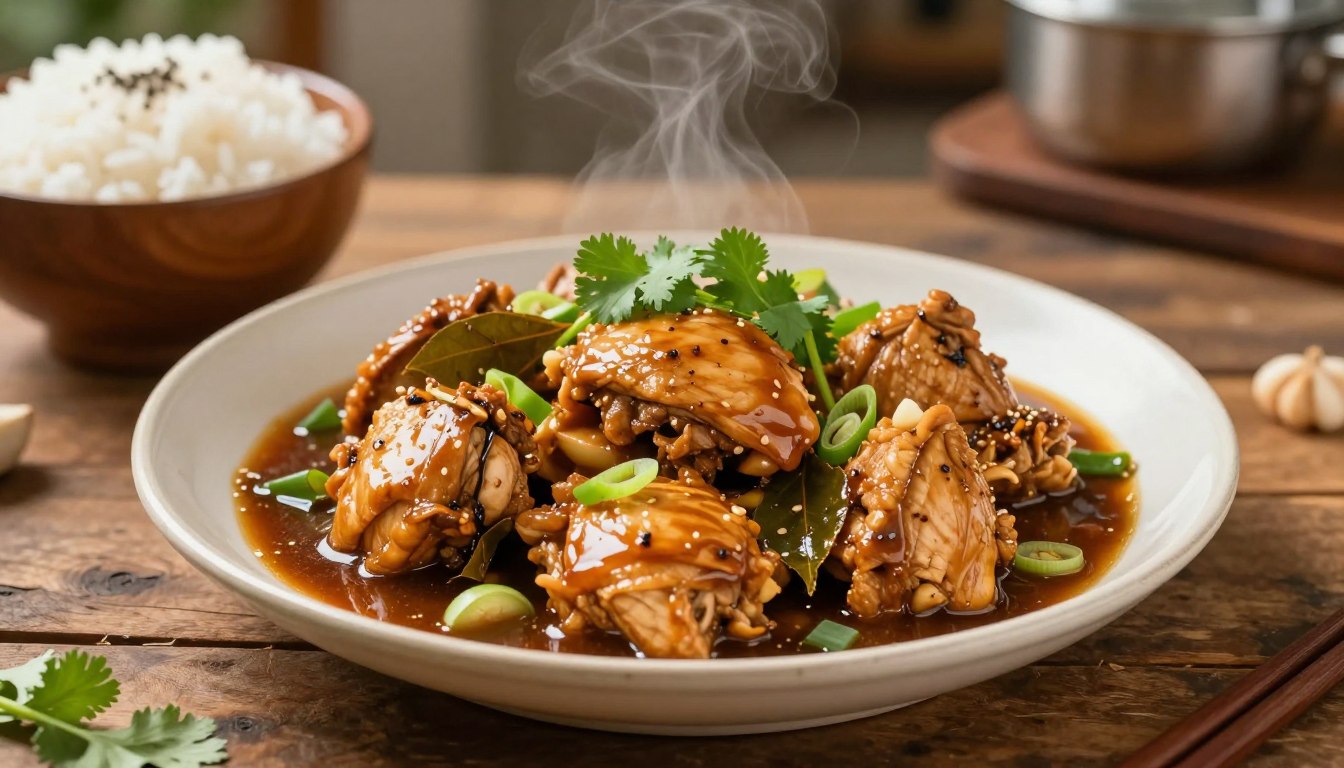
Few meals capture the heart of Filipino home cooking quite like Chicken Adobo. This iconic dish is celebrated across the globe for its perfect harmony of savory, tangy, and salty notes that dance on your palate.
Whether you are a novice in the kitchen or a seasoned home cook, mastering this timeless classic is surprisingly simple. You will find that this easy chicken adobo preparation relies on pantry staples to create a depth of flavor that tastes like it simmered for hours.
By following this straightforward adobo recipe, you gain the confidence to recreate a restaurant-quality meal in your own home. Prepare to impress your family with a dish that honors the rich culinary heritage of the Philippines while remaining accessible for any busy weeknight dinner.
Key Takeaways
- Learn the essential balance of soy sauce and vinegar for authentic flavor.
- Discover how simple pantry ingredients create a complex, savory profile.
- Master a cooking method that is both comforting and time-efficient.
- Gain confidence in preparing a staple of Filipino culinary tradition.
- Achieve restaurant-quality results with minimal effort in your kitchen.
The Cultural Significance of Chicken Adobo
Chicken Adobo is more than just a meal; it is a profound expression of Filipino identity. Across the Philippines, this dish serves as a cornerstone of family life and communal gatherings. It represents the resilience and creativity of a culture that turned simple preservation techniques into a world-renowned culinary masterpiece.

Understanding the Filipino Adobo Tradition
The history of this dish is deeply rooted in the need for food preservation in a tropical climate. Before the advent of modern refrigeration, filipino food relied on acidic ingredients to keep meat fresh for longer periods. Over time, these practical methods evolved into the traditional chicken adobo that families cherish today.
“Food is the most accessible form of culture, and in every bowl of adobo, you taste the history of a nation.”
This evolution transformed a survival tactic into a celebrated art form. It is now a staple of filipino cuisine, often served at celebrations, holidays, and casual weekend dinners. By preparing this dish, you are participating in a long-standing tradition that connects generations through shared flavors.
Why Vinegar and Soy Sauce Define the Flavor Profile
The magic of the dish lies in the perfect balance of vinegar and soy sauce. The vinegar acts as the primary preservative, while the soy sauce provides a deep, savory saltiness that defines the profile of the meal. This combination creates a complex, tangy, and umami-rich sauce that coats the meat perfectly.
Understanding how these ingredients interact is essential for mastering Chicken Adobo in your own kitchen. The acidity of the vinegar cuts through the richness of the chicken, creating a harmonious bite. When you balance these two elements correctly, you unlock the authentic taste that makes this dish a pillar of filipino cuisine.
Essential Ingredients for Authentic Chicken Adobo
To master the art of traditional adobo, you must first understand the specific ingredients that define its character. Every component plays a vital role in building the complex layers of flavor that make this dish a global favorite. By focusing on quality, you ensure your home-cooked meal captures the true essence of the Philippines.

Selecting the Best Cuts of Chicken
When preparing authentic chicken adobo, the cut of meat you choose significantly impacts the final texture. Bone-in, skin-on chicken thighs or drumsticks are highly recommended for this recipe. These cuts contain enough fat and connective tissue to remain succulent and tender during the long simmering process.
Using breast meat can often lead to a dry result, as it lacks the necessary fat content to withstand the acidity of the sauce. Stick to dark meat to ensure your Chicken Adobo stays moist and flavorful from the first bite to the last.
Balancing Soy Sauce and Vinegar Ratios
The soul of the dish lies in the precise harmony of vinegar and soy sauce. This combination creates the signature savory-tangy profile that distinguishes this meal from other braised dishes. A standard ratio often starts with one part vinegar to two parts soy sauce, though you can adjust this based on your personal preference for acidity.
It is important to allow the mixture to simmer without stirring initially. This technique helps the raw bite of the vinegar mellow out, allowing the deep, salty notes of the soy sauce to penetrate the meat effectively.
The Role of Aromatics and Adobo Seasoning
Beyond the main liquids, the right adobo seasoning provides the necessary depth and complexity. Aromatics act as the foundation, lifting the heavy flavors of the soy and vinegar into something truly aromatic and inviting.
Garlic and Peppercorns
Fresh garlic is non-negotiable in any traditional adobo recipe. You should use plenty of it, as the garlic softens and infuses the sauce with a sweet, earthy undertone. Whole black peppercorns add a necessary sharp heat that cuts through the richness of the meat.
Bay Leaves and Their Importance
Dried bay leaves are the final essential element. They contribute a subtle, herbal fragrance that rounds out the entire flavor profile. Never skip these, as they provide the distinct, woody aroma that makes Chicken Adobo instantly recognizable.
| Ingredient | Primary Role | Flavor Contribution |
|---|---|---|
| Soy Sauce | Base Liquid | Salty and Umami |
| Vinegar | Acidifier | Tangy and Bright |
| Garlic | Aromatic | Pungent and Sweet |
| Bay Leaves | Herb | Woody and Floral |
How to Make Chicken Adobo Step by Step
Learning how to make chicken adobo is a rewarding journey into the heart of Filipino home cooking. By following a structured approach, you ensure that every bite delivers the deep, savory, and tangy profile that defines this beloved adobo recipe.
Marinating the Chicken for Maximum Flavor
The secret to a truly flavorful dish lies in the marination process. You should combine your soy sauce, vinegar, garlic, and peppercorns in a bowl, then submerge the chicken pieces completely.
Allow the meat to rest in the refrigerator for at least thirty minutes, though overnight marination is ideal. This time allows the acidity of the vinegar to tenderize the fibers while the soy sauce infuses the meat with saltiness.
Searing the Meat for Texture
Once marinated, remove the chicken from the liquid but reserve the marinade for later use. Heat a small amount of oil in a heavy-bottomed pan over medium-high heat.
Sear the chicken pieces until they develop a rich, golden-brown crust on all sides. This step is essential because it locks in the juices and adds a complex, caramelized depth to the final dish.
Simmering the Sauce to Perfection
After searing, pour the reserved marinade into the pan and bring it to a gentle boil. Lower the heat to a simmer and cover the pan to let the chicken cook through thoroughly.
The adobo sauce will begin to thicken as the flavors meld together. Keep the heat steady to ensure the chicken remains tender without falling apart prematurely.
Adjusting the Consistency of the Adobo Sauce
You can customize the final texture of your meal based on your personal preference. If you prefer a thinner sauce, simply serve it shortly after the chicken is cooked through.
For those who enjoy a syrupy, concentrated glaze, remove the lid and increase the heat slightly to reduce the liquid. This simple technique turns an easy adobo recipe into a restaurant-quality experience.
| Cooking Stage | Primary Goal | Key Tip |
|---|---|---|
| Marinating | Flavor Infusion | Use fresh garlic cloves |
| Searing | Texture Development | Do not crowd the pan |
| Simmering | Tenderizing Meat | Keep heat at low level |
| Reducing | Sauce Consistency | Watch closely to avoid burning |
Tips for Perfecting Your Homemade Adobo
You can easily elevate your kitchen game by refining how you prepare this classic dish. Whether you are a novice or a seasoned cook, small adjustments often lead to the most authentic results. Focusing on technique ensures that your easy chicken adobo stands out every time you serve it.
Adapting the Recipe for a Slow Cooker
If you lead a busy lifestyle, a slow cooker adobo is a fantastic way to enjoy a hearty meal without constant monitoring. Simply place your marinated chicken and aromatics into the pot and let it cook on low for several hours.
This method allows the meat to become incredibly tender while absorbing the deep flavors of the marinade. You will find that the sauce thickens beautifully over time, creating a rich glaze that coats every piece of chicken perfectly.
Common Mistakes to Avoid When Cooking Adobo
One frequent error is stirring the adobo sauce too early during the simmering process. It is best to let the vinegar cook off its raw edge before you begin mixing the ingredients. Patience during this stage is key to achieving a balanced and mellow flavor profile.
Another mistake involves overcrowding the pan, which prevents the chicken from browning properly. Always sear your meat in batches to ensure each piece develops a delicious, caramelized crust. This simple step adds a layer of depth that defines high-quality filipino food.
Serving Suggestions for a Complete Filipino Meal
Creating a balanced meal is all about how you present your dish on the table. A well-rounded plate should feature textures and flavors that complement the savory, tangy notes of the main course.
Pairing with Steamed White Rice
Steamed white rice is the traditional foundation for this meal. The neutral flavor of the rice acts as a perfect canvas for the bold, salty, and acidic sauce. You should spoon plenty of the extra liquid over your rice to ensure every bite is packed with flavor.
Adding Vegetables for a Balanced Dish
To round out your meal, consider adding fresh vegetables like steamed bok choy or sautéed green beans. These sides provide a crisp, refreshing contrast to the richness of the meat. Incorporating greens makes your dinner feel complete and nutritious.
| Cooking Method | Texture | Time Required | Best For |
|---|---|---|---|
| Stovetop | Firm and Glazed | 45 Minutes | Quick Weeknight Dinners |
| Slow Cooker | Very Tender | 4-6 Hours | Busy Schedules |
| Pressure Cooker | Fall-off-the-bone | 30 Minutes | Last Minute Meals |
Conclusion
Mastering the art of Chicken Adobo brings a piece of culinary history into your kitchen. You now possess the skills to balance bold ingredients and create a meal that resonates with depth and character.
Feel free to experiment with your own ratios of soy sauce and vinegar. Adjusting these elements allows you to tailor the dish to your personal palate while honoring the roots of this authentic recipe. Small changes in cooking time or aromatics can transform the final result into a signature version of your own.
Bringing authentic Filipino flavors to your dinner table is a rewarding experience. This dish serves as a bridge to new cultures and traditions. Share your creation with friends and family to turn a simple weeknight dinner into a memorable gathering. Your journey into home cooking continues with every pot you simmer.
FAQ
What is the secret to achieving an authentic chicken adobo flavor?
The key to an authentic chicken adobo lies in the delicate balance of vinegar and soy sauce. To honor Filipino cuisine, you must allow the chicken to simmer slowly with adobo seasoning, which traditionally includes plenty of smashed garlic, whole black peppercorns, and dried bay leaves. This process creates a complex profile that is simultaneously salty, sour, and savory.
How to make chicken adobo that is tender and succulent?
To ensure your chicken adobo remains moist, you should choose bone-in, skin-on cuts like thighs or drumsticks. For the best results in your adobo recipe, marinate the meat for at least 30 minutes before cooking. Searing the chicken in a hot pan before simmering also helps lock in juices and adds a professional, caramelized texture to the final dish.
Can I prepare this easy chicken adobo in a slow cooker?
Yes, making a slow cooker adobo is a fantastic way to develop deep flavors with minimal effort. You can simply place your marinated chicken and adobo sauce ingredients into the pot and cook on low for 6 to 8 hours. This method is perfect for a busy lifestyle while still delivering a traditional adobo taste that feels like it has been simmering on a stove all day.
Why is it important not to stir the vinegar right away in a traditional adobo?
In many traditional chicken adobo techniques, you are advised not to stir the pot immediately after adding the vinegar. Allowing the vinegar to come to a boil undisturbed helps “cook off” the harsh, raw acidic bite, leaving behind a mellow, tangy depth that defines high-quality Filipino food.
What are the best side dishes to serve with an easy adobo recipe?
For a truly traditional chicken adobo experience, you should serve the dish over a bed of fluffy, steamed white rice. The rice acts as the perfect canvas for the rich adobo sauce. To create a more balanced meal, you can also pair it with a side of sautéed vegetables or a fresh tomato and onion salad to cut through the richness of the meat.
How can I adjust the consistency of my adobo sauce?
If you prefer a thicker, more syrupy adobo sauce, you can remove the lid during the final minutes of simmering to allow the liquid to reduce. Some cooks even remove the chicken once it is tender and boil the sauce vigorously until it reaches a glaze-like consistency, ensuring every piece of meat is coated in intense, authentic chicken adobo flavor.