
Healthy Salmon Recipes Baked to Perfection Every Time
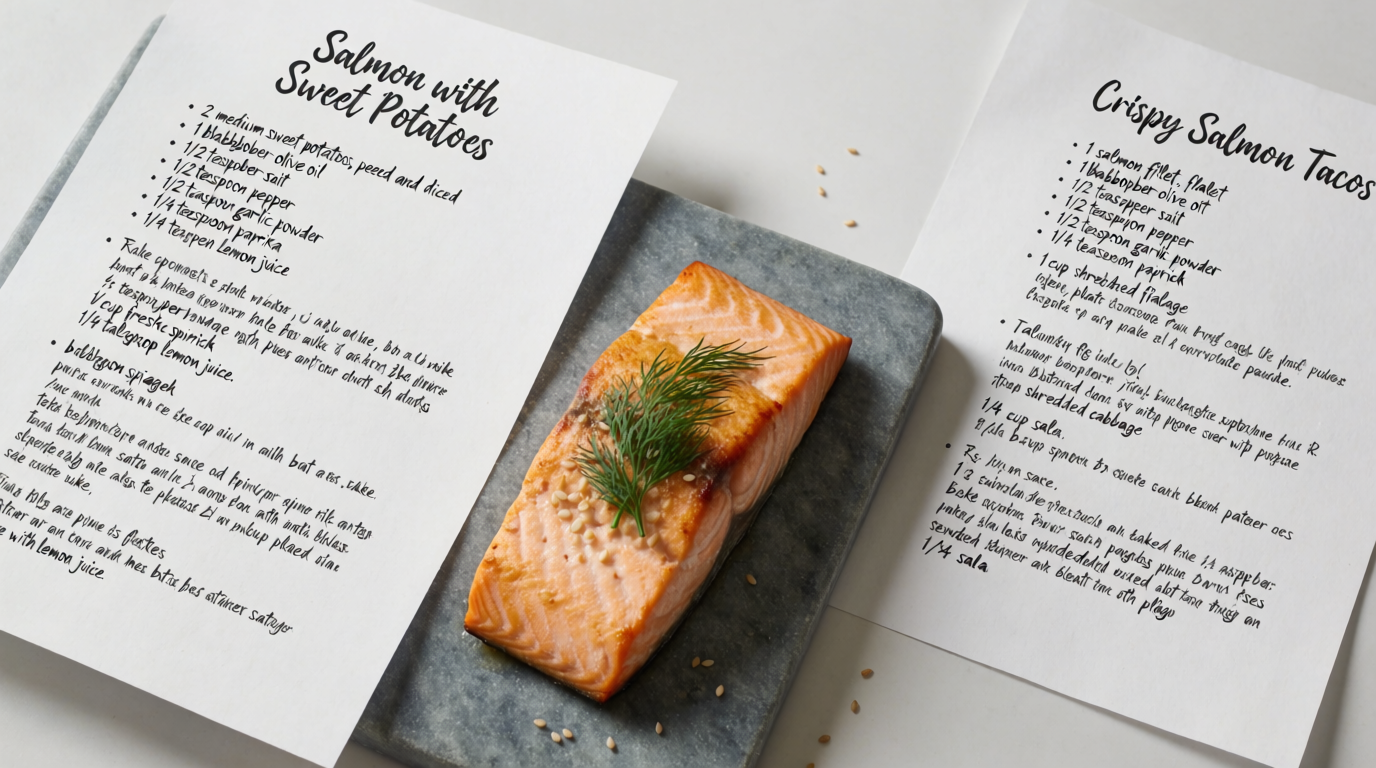
Preparing a nutritious meal at home does not have to be a stressful chore. Many busy families find that oven-roasting fish is the ultimate secret to consistent, delicious results. By mastering a few simple techniques, you can turn basic fillets into restaurant-quality meals that your entire household will love.
Choosing healthy salmon recipes baked in the oven allows you to lock in moisture and flavor without constant monitoring. This method is perfect for those seeking nutritious dinner ideas that fit into a hectic schedule. Whether you are a novice cook or a seasoned pro, these straightforward steps ensure your fish turns out flaky and tender every single time.

Incorporating more healthy seafood recipes into your weekly rotation is a fantastic way to boost your family’s wellness. With just a few fresh ingredients and a hot oven, you can create a centerpiece dish that feels special yet remains incredibly easy to prepare.
Key Takeaways
- Oven-roasting fish provides consistent, moist results for home cooks.
- Simple preparation methods save time during busy weeknights.
- Using fresh ingredients elevates the flavor of your seafood dishes.
- Mastering basic techniques helps you achieve professional-level quality.
- Adding fish to your menu supports a balanced and wholesome lifestyle.
The Nutritional Benefits of Choosing Baked Salmon
When you prioritize your health, the way you prepare your meals becomes just as important as the ingredients themselves. Selecting the right cooking method ensures that you retain the vital nutrients found in your food while keeping your calorie intake in check.
Why Salmon is a Superfood for Your Diet
Salmon is widely considered a nutritional powerhouse, offering a dense profile of vitamins and minerals. The most notable component is its high concentration of omega-3 fatty acids, which are essential fats that your body cannot produce on its own.
These healthy fats play a critical role in maintaining your long-term wellness. Consider these primary benefits of including this fish in your weekly routine:
- Supports optimal heart health by helping to maintain healthy blood pressure levels.
- Boosts cognitive function and supports brain health throughout different life stages.
- Provides a high-quality source of protein that aids in muscle repair and satiety.
- Delivers essential vitamins like B12 and D, which are often lacking in modern diets.
Understanding the Health Advantages of Baking Versus Frying
While many people enjoy the taste of fried foods, the cooking process often strips away nutritional value and adds unnecessary fats. Choosing oven-baked salmon is a superior alternative that allows you to enjoy the natural flavor of the fish without the heavy oils associated with deep-frying.
Baking is a gentle method that preserves the integrity of the omega-3 fatty acids. By avoiding high-heat frying, you prevent the oxidation of these delicate fats, ensuring you receive the maximum health benefits from every bite.
Furthermore, oven-baked salmon is an excellent choice for those focused on weight management. It provides a satisfying, nutrient-dense meal that keeps you full longer, making it much easier to stick to your health goals compared to calorie-dense fried alternatives.
Essential Tools and Ingredients for Success
Creating a delicious meal starts long before you turn on the oven. When you prioritize high-quality components, you set the stage for an easy salmon dinner that tastes like it came from a professional kitchen. Proper preparation ensures that your cooking process remains stress-free and enjoyable.
Selecting the Best Quality Salmon Fillets
The foundation of any great seafood dish is the fish itself. When shopping, look for the best salmon fillets that feature a vibrant, deep pink or orange hue. Avoid any pieces that look dull or have brown spots, as these are signs of age.
Texture is just as important as color. The flesh should feel firm to the touch and spring back when pressed gently. If the fish appears mushy or has a strong, fishy odor, it is best to choose a different cut.
| Salmon Type | Texture | Flavor Profile |
|---|---|---|
| King (Chinook) | Buttery | Rich and decadent |
| Sockeye | Firm | Deep and robust |
| Atlantic | Mild | Versatile and tender |
Must-Have Kitchen Equipment for Even Baking
You do not need a professional kitchen to achieve perfect results. A heavy-duty, rimmed baking sheet is essential because it provides stable heat distribution. This prevents the bottom of your fish from burning while the top stays moist.
Using parchment paper is a simple trick that makes cleanup effortless. It creates a non-stick surface that protects the delicate skin of the fish. Always keep a reliable meat thermometer nearby to ensure your meal reaches the ideal internal temperature without drying out.
“The quality of your ingredients is the most important factor in the success of your dish. Start with the best, and the rest will follow.”
— Anonymous Chef
Pantry Staples That Elevate Your Salmon Flavor
A well-stocked pantry allows you to experiment with various salmon seasoning ideas on a whim. High-quality extra virgin olive oil is a must-have for keeping the fillets succulent during the baking process. It acts as a base that helps your spices adhere to the fish.
Keep these staples on hand to transform your cooking:
- Sea Salt and Cracked Pepper: The essential building blocks for any seasoning blend.
- Dried Herbs: Dill, parsley, and thyme offer a classic, earthy aroma.
- Citrus Zest: Lemon or lime zest adds a bright, acidic finish that cuts through the richness of the fish.
- Garlic Powder: A quick way to add depth without the risk of burning fresh garlic.
By keeping these items in your cupboard, you can whip up a flavorful meal in minutes. Experimenting with different combinations of these staples will help you find your favorite signature style.
Mastering the Art of Healthy Salmon Recipes Baked to Perfection
Great oven-baked salmon relies on more than just a good recipe; it requires a solid understanding of heat and timing. When you focus on the fundamentals, you ensure that every meal is consistent and delicious. Mastering these salmon cooking tips will help you gain confidence in the kitchen.
Preparing the Salmon for Optimal Texture
The secret to a beautiful, flaky texture begins before the fish even touches the heat. You should always pat your fillets dry with a clean paper towel to remove excess surface moisture. This simple step prevents the fish from steaming in the oven, allowing it to develop a delightful, slightly crisp exterior instead.
Once the surface is dry, you can apply your seasonings evenly. Whether you prefer a simple rub or a complex marinade, proper preparation ensures the flavors penetrate the meat effectively. Following these steps is essential for anyone looking to master healthy salmon recipes baked to perfection.
The Science of Oven Temperature and Timing
Understanding the ideal baked salmon temperature is the key to locking in natural juices. Most chefs agree that 400 degrees Fahrenheit is the “sweet spot” for most fillets. This temperature is high enough to cook the fish quickly while keeping the interior tender and moist.
When learning how to bake salmon, keep these timing guidelines in mind:
- Thin fillets: Usually require 8 to 10 minutes.
- Thick center-cut fillets: Often need 12 to 15 minutes.
- Whole sides of salmon: May take 18 to 22 minutes depending on thickness.
How to Tell When Your Salmon is Perfectly Cooked
You do not need to guess if your fish is ready to serve. Using a digital thermometer is the most reliable way to ensure you have perfectly cooked salmon every time. Simply insert the probe into the thickest part of the fillet to check the internal temperature.
Here is how to verify doneness without a thermometer:
- The Fork Test: Gently press a fork into the thickest part of the fish.
- Visual Cues: The flesh should flake easily and appear opaque throughout.
- Color Change: The bright pink color should transition to a lighter, consistent shade.
If the fish resists flaking or looks translucent in the center, it needs another minute or two in the oven. Patience during this final stage makes all the difference in achieving a restaurant-quality result at home.
Classic Lemon and Herb Baked Salmon
Nothing beats the bright, zesty appeal of a classic lemon herb salmon for an easy salmon dinner. This timeless preparation relies on the natural acidity of citrus to cut through the richness of the fish, creating a light and refreshing flavor profile that never goes out of style.

Creating the Perfect Citrus Marinade
The foundation of this dish is a balanced marinade that brightens the flavor of the salmon. Start by whisking together fresh lemon juice, high-quality olive oil, and a touch of lemon zest to capture the essential oils of the fruit.
Adding a small amount of minced garlic or a splash of white wine can further enhance the depth of the marinade. Allow the fillets to sit in this mixture for at least fifteen minutes before baking to ensure the flavors penetrate the flesh.
Layering Fresh Herbs for Maximum Aroma
Fresh herbs are the secret to transforming a simple fillet into a gourmet experience. You should layer soft herbs like dill, parsley, and thyme directly on top of the salmon before it enters the oven.
As the fish bakes, the heat releases the aromatic oils from these herbs, infusing the salmon with a fragrant, garden-fresh scent. Using a variety of herbs creates a complex flavor profile that feels sophisticated yet remains incredibly simple to execute.
| Herb Type | Flavor Profile | Best Pairing |
|---|---|---|
| Fresh Dill | Grassy and Sweet | Lemon Zest |
| Flat-Leaf Parsley | Clean and Peppery | Garlic |
| Lemon Thyme | Citrusy and Earthy | Black Pepper |
Serving Suggestions for a Balanced Meal
To round out your quick healthy meals, consider pairing your baked salmon with sides that complement its light, citrusy notes. Roasted asparagus spears are a classic choice, as their earthy flavor balances the brightness of the lemon perfectly.
For a more substantial meal, serve the fish over a bed of fluffy quinoa or steamed brown rice. These grains act as a neutral base that absorbs the flavorful juices from the salmon, ensuring that every bite is delicious and satisfying.
Mediterranean Style Baked Salmon with Vegetables
If you are looking for a vibrant, healthy dinner that comes together in one pan, look no further than this Mediterranean-inspired dish. Preparing a sheet pan salmon meal is the ultimate solution for busy weeknights when you want quality food without the cleanup. By roasting everything together, you allow the natural juices of the fish to mingle with the garden-fresh produce.
Choosing the Right Vegetables for Sheet Pan Baking
Selecting the right produce is essential for a successful roast. You want vegetables that soften at the same rate as the fish, such as cherry tomatoes, bell peppers, and zucchini. These items provide a delightful texture and release just enough moisture to keep the salmon tender.
Try to cut your vegetables into uniform, bite-sized pieces to ensure they cook evenly. Denser vegetables like potatoes should be avoided unless they are sliced very thinly, as they take much longer to soften than delicate fillets.
Infusing Mediterranean Flavors with Olives and Feta
This Mediterranean salmon recipe relies on bold, briny ingredients to elevate the flavor profile. Adding Kalamata olives provides a salty punch that pairs perfectly with the richness of the fish. Once the dish is finished, a generous sprinkle of crumbled feta cheese adds a creamy, tangy finish that ties everything together.
For an extra layer of depth, consider a light drizzle of balsamic glaze just before serving. This touch of sweetness balances the acidity of the tomatoes and the saltiness of the olives, creating a restaurant-quality experience right at your kitchen table.
Tips for Synchronizing Cooking Times
The secret to a perfect sheet pan salmon dinner is timing. Because fish cooks faster than most vegetables, you should start by roasting your harder vegetables for about ten minutes before adding the salmon to the tray. This simple step ensures that your peppers and zucchini are tender while your fish remains perfectly flaky.
Always place your salmon fillets in the center of the pan to allow for even heat distribution. If you notice the vegetables are browning too quickly, you can move them to the edges of the tray. This technique keeps your meal balanced and prevents any part of your dinner from drying out.
Honey Garlic Glazed Salmon for a Sweet and Savory Twist
For those who crave a sticky, flavorful glaze, this dish is the ultimate solution for quick healthy meals. The honey garlic salmon has become a household favorite because it combines bold, accessible flavors with a simple preparation process. It is the perfect way to transform a standard fillet into a gourmet experience in under thirty minutes.
Balancing Sweetness and Acidity in Your Glaze
The secret to a truly memorable glaze lies in the careful balance of ingredients. Honey provides a natural, rich sweetness that coats the fish beautifully. However, without a counterpoint, it can become cloying.
Adding acidity through soy sauce, rice vinegar, or a splash of fresh lime juice cuts through the sugar. This creates a complex flavor profile that keeps every bite interesting. You should aim for a ratio that highlights the savory notes of the soy while letting the floral sweetness of the honey shine through.
Achieving a Caramelized Finish Without Burning
Many home cooks worry about the sugars in the glaze burning under high heat. To avoid this, apply the glaze during the final few minutes of the baking process. This technique allows the sugars to bubble and thicken into a gorgeous, caramelized finish without turning bitter.
If you prefer a deeper color, you can briefly switch your oven to the broiler setting for the last sixty seconds. Keep a close eye on the pan during this time, as the transition from perfectly golden to burnt happens very quickly.
Pairing Suggestions for a Family-Friendly Dinner
Creating quick healthy meals is easier when you have reliable side dishes that complement the sweet glaze. Steamed broccoli or roasted asparagus provides a fresh, crunchy contrast to the tender fish. For a heartier option, serve your honey garlic salmon over a bed of fluffy jasmine rice or quinoa to soak up the extra sauce.
| Ingredient | Primary Role | Flavor Impact |
|---|---|---|
| Honey | Sweetness | Rich, floral base |
| Soy Sauce | Saltiness | Deep, savory umami |
| Rice Vinegar | Acidity | Bright, clean finish |
| Garlic | Aroma | Pungent, earthy depth |
Spicy Cajun Baked Salmon for Bold Flavors
When you want to transform a standard fillet into one of the most flavorful fish dishes, a homemade spice blend is your best friend. If you crave a bit of heat, this Cajun spiced salmon brings bold, vibrant energy to your dinner table. It is a fantastic way to break away from mild seasonings and explore a more robust culinary profile.
Crafting Your Own Healthy Cajun Spice Blend
You do not need store-bought packets filled with extra salt to achieve that authentic taste. You can easily create a healthy rub using pantry staples like smoked paprika, garlic powder, onion powder, and a touch of cayenne pepper. Mixing your own spices allows you to control the quality of ingredients while ensuring your meal remains nutritious.
“Cooking is like painting or writing a song. Just as there are only so many notes or colors, there are only so many flavors—it’s how you combine them that sets you apart.”
Wolfgang Puck
Managing Heat Levels for Different Palates
One of the greatest benefits of making your own seasoning is the ability to customize the intensity. If you are cooking for a family with varying preferences, start with a smaller amount of cayenne pepper. You can always serve extra spice on the side for those who enjoy a fiery kick.
Remember that the heat level can be adjusted by simply reducing the amount of dried chili flakes or cayenne in your mix. This ensures that everyone at the table can enjoy the meal without feeling overwhelmed by the spice.
Complementary Sides to Cool Down the Spice
To balance the intensity of your Cajun spiced salmon, pair it with cooling side dishes. A crisp cucumber salad tossed in a light vinegar dressing provides a refreshing contrast to the warm spices. Alternatively, a creamy coleslaw offers a cooling texture that perfectly complements these flavorful fish dishes.
- Cooling cucumber salad with fresh dill.
- Creamy apple cider vinegar coleslaw.
- Steamed green beans with a squeeze of lemon.
- Chilled quinoa salad with garden vegetables.
Common Mistakes to Avoid When Baking Salmon
Even the most skilled home chefs can occasionally struggle with the nuances of preparing fish. While the process is straightforward, following a few essential salmon cooking tips will help you maintain high standards in your kitchen. By identifying these frequent errors, you can ensure every meal is a success.

Preventing Overcooked and Dry Fillets
The most common issue when learning how to bake salmon is leaving the fish in the oven for too long. Salmon is a delicate protein that continues to cook even after you remove it from the heat source. To achieve perfectly cooked salmon, you should aim for an internal temperature of 145°F.
Using a digital meat thermometer is the best way to monitor your progress. Avoid relying solely on the clock, as oven temperatures can vary significantly between different models. Pulling the fish out just a few degrees early allows the residual heat to finish the process without drying out the flesh.
Avoiding Common Seasoning Pitfalls
Seasoning is an art, but it is easy to overdo it. Many cooks make the mistake of adding salt too early, which can draw out moisture and change the texture of the fillet before it even hits the oven. Instead, season your fish just moments before you begin the baking process.
Furthermore, be mindful of when you add fresh herbs. Delicate herbs like dill or parsley can burn quickly under high heat. It is often better to add these aromatic ingredients during the final few minutes of cooking or as a fresh garnish right before serving.
Proper Storage and Reheating Techniques
If you have leftovers, following correct salmon storage tips will keep them safe and tasty for your next meal. Always store cooked fish in an airtight container in the refrigerator for no more than two days. This prevents the fish from absorbing other odors in your fridge.
When reheating, avoid the microwave, as it often leads to rubbery results. A gentle approach, such as warming the fish in a low-temperature oven with a splash of water or broth, helps retain moisture. This simple method ensures your leftovers remain tender and flavorful.
| Common Mistake | Resulting Issue | Recommended Solution |
|---|---|---|
| High Oven Heat | Dry, uneven texture | Use moderate heat (375°F) |
| Early Salting | Loss of natural moisture | Season right before baking |
| Microwave Reheating | Rubbery, tough fish | Reheat slowly in the oven |
| Ignoring Thermometer | Overcooked protein | Target 145°F internal temp |
Conclusion
Mastering the art of baking salmon transforms your kitchen into a hub for healthy seafood recipes. You now possess the skills to turn simple fillets into restaurant-quality meals with ease.
Focusing on high-quality ingredients and precise oven settings ensures your success every time. These nutritious dinner ideas provide a perfect balance of protein and essential fats for your busy lifestyle.
Feel free to experiment with bold spices or fresh citrus glazes to create flavorful fish dishes that suit your personal taste. Sharing these meals with friends and family makes the cooking process even more rewarding.
Your journey toward better eating habits starts with these reliable techniques. Keep practicing these methods to build confidence and enjoy the many benefits of a well-prepared meal.
FAQ
What is the ideal oven temperature for baking salmon fillets to ensure they stay moist?
For most healthy salmon recipes, setting your oven to 400 degrees Fahrenheit is the gold standard. This temperature is high enough to create a slight sear on the outside while locking in those essential juices, ensuring your Atlantic salmon stays tender and flaky rather than drying out.
How can I tell exactly when my salmon is perfectly cooked?
The most fool-proof method is to use a digital thermometer, such as a ThermoPro, to check that the internal temperature has reached 145 degrees Fahrenheit. If you don’t have a thermometer, you can gently press a fork into the thickest part of the fillet; if the meat flakes easily and has turned from translucent to opaque, it is ready to enjoy!
Is it better to bake salmon with the skin on or off?
It is generally best to bake your salmon with the skin on. The skin acts as a protective layer between the delicate flesh and your Nordic Ware baking sheet, helping to retain moisture during the cooking process. Plus, the skin is much easier to remove after baking if you prefer not to eat it.
Why is baking considered a healthier cooking method than frying?
Baking is a superior choice for those focused on heart health and weight management because it requires far less added fat. While frying often involves submerged oils, oven-baking allows the Omega-3 fatty acids naturally found in salmon to remain the star of the dish without the extra calories from heavy grease.
Can I use frozen salmon for these recipes, or does it have to be fresh?
You can certainly use frozen fillets from quality brands like SeaBear or Marine Harvest. The key is to thaw the salmon completely in the refrigerator overnight. Once thawed, be sure to pat the fish dry with a paper towel to remove excess moisture before adding your Bertolli olive oil and seasonings.
What are the best herbs to pair with a classic lemon salmon dish?
To achieve a restaurant-quality aroma, we recommend a combination of fresh dill, parsley, and thyme. These herbs complement the brightness of the citrus perfectly. If you are in a pinch, a sprinkle of McCormick Dried Oregano or a Mediterranean herb blend can also add a wonderful depth of flavor.
How can I prevent my honey garlic glaze from burning in the oven?
Since honey has a high sugar content, it can burn quickly under intense heat. To achieve a beautiful caramelized finish without the char, apply the glaze during the last 5 to 7 minutes of baking, or use a piece of Reynolds Kitchens parchment paper to prevent the sauce from sticking and scorching on the pan.
What is the best way to reheat leftover baked salmon without it getting rubbery?
The secret to great leftover salmon is reheating it “low and slow.” Place the fillet in an oven set to 275 degrees Fahrenheit, add a tiny splash of water or lemon juice, and cover it loosely with aluminum foil. This creates a mini-steam chamber that revives the fish’s texture beautifully.