
How to Make Sesame Chicken Stir-Fry in Under 30 Minutes
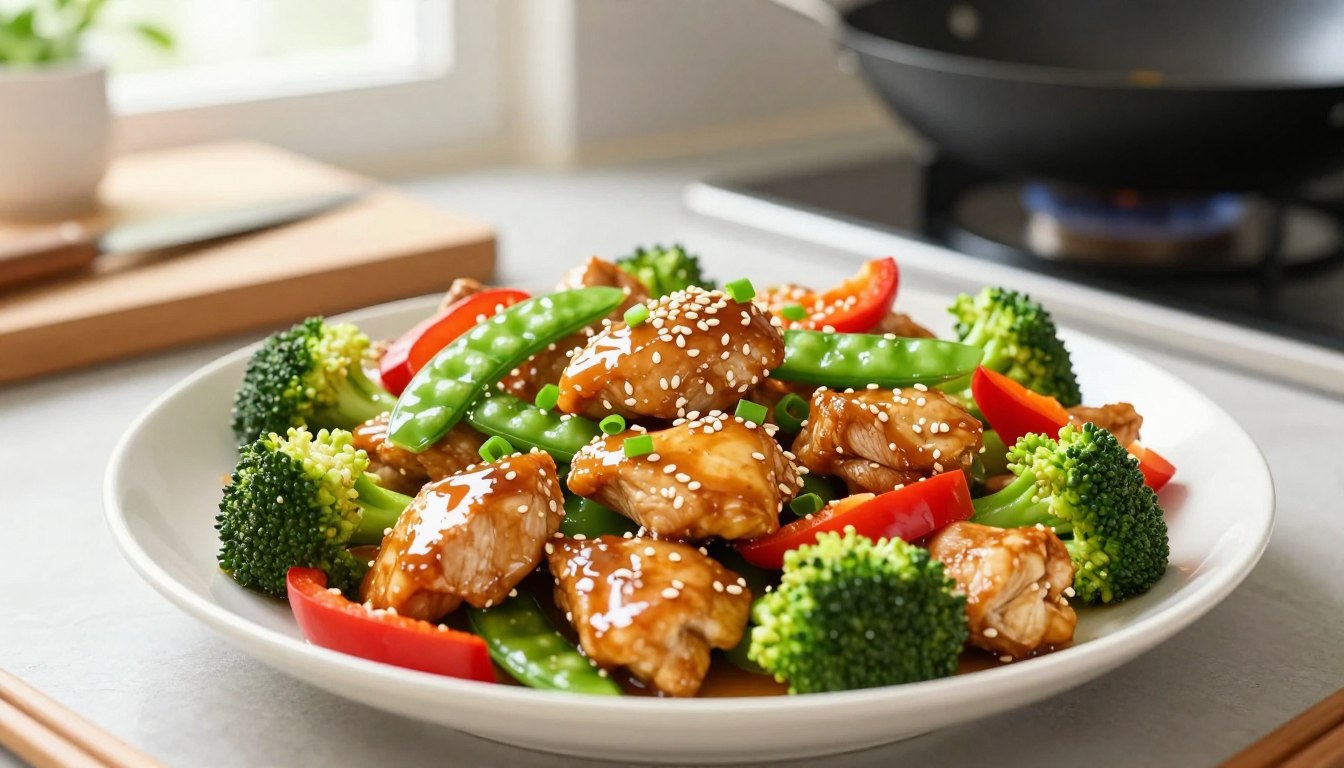
Do you often find yourself rushing to get dinner on the table after a long day? Creating a restaurant-quality meal at home does not have to be a complicated chore. With this quick and easy recipe, you can serve a delicious, savory dinner in less than half an hour.
Mastering a Sesame Chicken Stir-Fry is the perfect solution for busy evenings when you crave something satisfying. By focusing on proper preparation, you ensure that your cooking process remains smooth and stress-free.
Taking a few moments to chop your ingredients before turning on the heat makes all the difference. This simple habit allows you to maintain high nutritional standards while enjoying a professional-grade meal. Follow these steps to transform your kitchen routine and impress your family with a healthy, flavorful dish tonight.
Key Takeaways
- Learn to prepare a complete, savory meal in under 30 minutes.
- Discover why organization is the secret to a stress-free cooking experience.
- Master essential techniques for achieving perfect textures in your home kitchen.
- Improve your weeknight dinner efficiency without sacrificing nutritional value.
- Gain confidence in creating restaurant-style flavors using simple pantry staples.
Essential Ingredients and Kitchen Tools
Your journey toward mastering authentic stir-fry begins with selecting high-quality ingredients. When you focus on the right foundation, you elevate your home cooking to match the standards of professional asian cuisine.

Selecting the Best Chicken Cuts
For a truly succulent chicken and vegetable stir-fry, you should prioritize boneless, skinless chicken thighs. Unlike breast meat, which can dry out quickly under high heat, thighs contain enough fat to remain tender and juicy.
This cut is more forgiving during the rapid cooking process required for stir-frying. You will find that the deeper flavor profile of the thigh meat pairs perfectly with savory sauces.
Fresh Vegetable Combinations
A vibrant dish relies on a mix of textures and colors. To create a balanced asian cuisine experience, combine crunchy vegetables like snap peas or bell peppers with softer options like bok choy.
These vegetables provide essential nutrients and visual appeal. Aim for a variety of shapes and sizes to ensure every bite is interesting and satisfying.
Must-Have Kitchen Equipment
Efficiency in the kitchen depends on having the right tools at your fingertips. A sharp chef’s knife is non-negotiable for achieving uniform cuts, which ensures that everything cooks at the same speed.
You also need a sturdy, high-sided pan or a traditional wok to handle the high heat. Having these items ready allows you to focus on the technique rather than searching for equipment.
| Ingredient Type | Best Choice | Why It Works |
|---|---|---|
| Protein | Chicken Thighs | Retains moisture under heat |
| Vegetable | Bell Peppers | Adds color and crunch |
| Aromatic | Fresh Ginger | Provides authentic depth |
| Cooking Tool | Carbon Steel Wok | Distributes heat evenly |
By organizing these elements, you set yourself up for a successful chicken and vegetable stir-fry every time you cook.
Preparing Your Ingredients for Speed
Efficient preparation is the foundation of every flavorful weeknight meal you create. When you cook at high heat, every second counts to ensure your vegetables stay crisp and your protein remains tender. By dedicating a few minutes to prep work, you turn a stressful cooking session into a smooth, enjoyable process.

Efficient Knife Skills for Uniform Cooking
Uniformity is the secret to professional results in your homemade stir-fry. When your chicken pieces and vegetable slices are the same size, they absorb heat at the same rate. This prevents smaller pieces from burning while larger chunks remain raw in the center.
Focus on cutting your protein into thin, bite-sized strips against the grain. Keep your vegetable cuts consistent, whether you prefer matchsticks or diagonal slices. This simple habit ensures that every bite offers the perfect texture.
Organizing Your Mise en Place
The French culinary concept of mise en place means “everything in its place.” Before you ignite your burner, arrange all your prepped ingredients in small bowls or on a clean tray. This organization allows you to add components to the pan in the correct sequence without searching for items.
Having your sauce, aromatics, and proteins ready to go eliminates the risk of overcooking. You will find that this methodical approach makes your kitchen time much more efficient. It is the best way to guarantee a flavorful weeknight meal every time you cook.
Marinating for Maximum Flavor in Minutes
You do not need hours to infuse your chicken with deep, savory notes. By using thin slices and a high-quality marinade, you can achieve excellent results in just ten to fifteen minutes. A mixture of soy sauce, cornstarch, and a splash of rice wine works wonders to tenderize the meat.
The cornstarch creates a protective barrier that keeps the chicken juicy during the high-heat sear. This quick marination technique is essential for a successful homemade stir-fry that tastes like it came from a professional kitchen.
| Prep Step | Time Required | Primary Benefit |
|---|---|---|
| Uniform Slicing | 5-7 Minutes | Even Cooking |
| Mise en Place | 3-5 Minutes | Reduced Stress |
| Rapid Marinating | 10-15 Minutes | Deep Flavor |
Mastering the Delicious Sesame Sauce
Creating a delicious sesame sauce is the most important step in your cooking process. This liquid gold acts as the heart of your meal, binding every element together into a cohesive dish. By understanding how to manipulate these flavors, you gain the power to customize your dinner to your exact preferences.
Balancing Sweet and Savory Profiles
The secret to a professional result lies in the delicate balance between sweet and savory notes. You should start with a base of high-quality soy sauce to provide the necessary saltiness. Whisk in brown sugar or honey to counteract the intensity of the soy, creating a rounded flavor profile that coats your chicken and vegetable stir-fry perfectly.
Do not be afraid to add aromatics like minced garlic or fresh ginger to the mix. These ingredients add depth and complexity that elevate the sauce beyond simple sweetness. Taste your mixture frequently as you whisk, adjusting the ratios until the flavor profile feels perfectly balanced to your palate.
The Role of Toasted Sesame Oil
Toasted sesame oil is the defining ingredient that gives this dish its signature nutty aroma. Unlike regular cooking oils, this variety is highly potent and should be treated as a finishing element. You must add it toward the end of the cooking process to preserve its delicate fragrance and distinct taste.
A small amount goes a long way in transforming the overall character of your meal. By incorporating it correctly, you ensure that the deep, earthy notes permeate the entire dish without becoming overwhelming. This simple addition is what separates a standard meal from a truly authentic experience.
Thickening Techniques for a Glossy Finish
A great sauce must have the right consistency to cling to your ingredients. You can achieve a beautiful, glossy finish by using a simple cornstarch slurry. Mix one part cornstarch with two parts cold water before whisking it into your simmering pan. This method provides immediate control over the thickness of your sauce.
Alternatively, you can use a reduction method by simmering the sauce on its own until it naturally thickens. This approach intensifies the flavors but requires more patience and careful heat management. Regardless of the method, your goal is a smooth, shiny coating that makes your chicken and vegetable stir-fry look as good as it tastes.
How to Make Sesame Chicken Stir-Fry
Transforming raw ingredients into a restaurant-quality meal requires a specific sequence of cooking steps. By following a structured approach, you ensure that every element of your Sesame Chicken Stir-Fry reaches its full potential.
Searing the Chicken to Perfection
Start by heating your wok or skillet over high heat with a small amount of oil. It is vital to sear the chicken in small batches to prevent the pan from cooling down too quickly.
If you crowd the pan, the meat will release moisture and begin to steam rather than brown. Aim for a deep, golden-brown crust on each piece, which locks in the juices and adds a savory depth to your homemade stir-fry.
Stir-Frying Vegetables While Retaining Crunch
Once the chicken is cooked, remove it and add your prepared vegetables to the hot pan. You want to keep the heat high to ensure the vegetables cook rapidly while maintaining their vibrant color and crisp texture.
Stir constantly for about two to three minutes. This quick cooking method prevents the vegetables from becoming soggy, ensuring they provide a satisfying snap in every bite.
Combining Components and Emulsifying the Sauce
Return the cooked chicken to the pan with the vegetables. Pour your delicious sesame sauce over the mixture, tossing everything together to coat the ingredients evenly.
As the sauce bubbles, it will thicken and emulsify, creating a glossy finish that clings to the chicken. This final step is where the flavors truly meld into a cohesive, mouth-watering dish.
Adjusting Heat Levels for Your Preference
You can easily customize the spice level of your meal by adjusting the ingredients in your sauce. If you prefer a milder taste, reduce the amount of chili flakes or hot oil used during the final toss.
| Component | Heat Setting | Estimated Time |
|---|---|---|
| Chicken Searing | High | 4-6 Minutes |
| Vegetable Stir-fry | High | 2-3 Minutes |
| Sauce Emulsification | Medium-High | 1-2 Minutes |
By mastering these simple techniques, you will consistently produce a delicious sesame sauce that elevates your homemade stir-fry. Enjoy the process of creating a professional Sesame Chicken Stir-Fry right in your own kitchen.
Tips for Perfect Wok Cooking
Wok cooking is a specialized skill that brings a unique energy to your favorite stir-fry dishes. By mastering these techniques, you can elevate your home-cooked meals to match the standards of professional asian cuisine.
Managing High Heat Safely
High heat is the secret weapon of any great stir-fry, but it requires caution. Always ensure your workspace is clear and your ingredients are prepped before turning on the burner to prevent oil splatters.
Use a high-smoke point oil, such as avocado or grapeseed oil, to handle the intense temperatures. Safety is paramount when working with open flames or high-powered induction ranges.
Avoiding Overcrowding the Pan
One of the most common mistakes in wok cooking is adding too many ingredients at once. When you overcrowd the pan, the temperature drops rapidly, causing your chicken and vegetables to steam instead of sear.
This results in a soggy texture rather than the crisp, vibrant finish you desire. Work in small batches to ensure every piece of food maintains direct contact with the hot surface.
“The secret to a perfect stir-fry is not just the ingredients, but the control of the heat and the space within the pan.”
Achieving the Authentic Wok Hei Flavor
Wok hei, or the “breath of the wok,” is the smoky, complex flavor profile found in high-quality asian cuisine. You achieve this by allowing the sauce to caramelize slightly against the hot metal sides of the pan.
Keep the food moving constantly to infuse that signature charred aroma without burning your ingredients. This technique requires practice, but it is the hallmark of a truly authentic stir-fry experience.
| Technique | Benefit | Common Mistake |
|---|---|---|
| High Heat | Crispy Texture | Using low smoke point oil |
| Small Batches | Even Searing | Overcrowding the pan |
| Constant Motion | Wok Hei Flavor | Leaving food stationary |
Serving Suggestions and Healthy Pairings
You can easily transform your cooking into a healthy dinner option by choosing the perfect accompaniments. Thoughtful side choices turn a simple stir-fry into a flavorful weeknight meal that satisfies every palate. By balancing your plate, you ensure that your dinner is as nutritious as it is delicious.
Choosing the Right Base Grains
The foundation of your bowl dictates the overall nutritional profile of your dish. While white rice is a classic choice, you might consider alternatives that offer more fiber and sustained energy.
- Brown Rice: Provides a nutty flavor and essential whole grains.
- Quinoa: A protein-packed superfood that absorbs sauce beautifully.
- Cauliflower Rice: An excellent low-carb option for those watching their intake.
Adding Fresh Garnishes for Texture
Never underestimate the power of a final touch to elevate your presentation. Garnishes provide a necessary textural contrast that breaks up the softness of the stir-fried ingredients.
“The secret to a great stir-fry lies in the contrast between the crunch of fresh herbs and the savory depth of the sauce.”
Try sprinkling toasted sesame seeds for a subtle crunch or adding sliced green onions for a sharp, fresh bite. Fresh cilantro also adds a bright, herbaceous note that cuts through the richness of the sesame oil.
Pairing with Light Side Dishes
To round out your flavorful weeknight meal, consider adding sides that do not overpower the main dish. Steamed bok choy with a drizzle of soy sauce offers a clean, crisp vegetable element.
Alternatively, a chilled cucumber salad with rice vinegar provides a refreshing acidity. These light additions ensure your healthy dinner option remains balanced, satisfying, and perfectly portioned for any evening.
Conclusion
Elevating your home cooking starts with the right techniques and a bit of practice. Mastering this Sesame Chicken Stir-Fry recipe gives you a reliable tool for your culinary repertoire.
You now possess the knowledge to create a healthy dinner option that rivals your favorite takeout. Focus on proper preparation and balanced sauce composition to achieve consistent results every time you cook.
Refining your wok cooking skills allows you to bring professional restaurant quality into your own home. This method transforms simple ingredients into vibrant, flavorful meals in just a few minutes.
Experiment with different seasonal vegetables or lean proteins to keep your weeknight routine exciting. You have the power to customize every dish to suit your personal taste preferences.
These skills ensure you enjoy a nutritious meal that fits perfectly into your busy lifestyle. Start your next kitchen adventure today and share your delicious creations with family and friends.
FAQ
How can I ensure my sesame chicken stir-fry is ready in under 30 minutes?
The key to this quick and easy recipe is mastering your mise en place. By having all your vegetables chopped, chicken sliced, and your delicious sesame sauce whisked before you turn on the stove, you can focus entirely on the fast-paced nature of wok cooking. Using efficient knife skills to cut ingredients into uniform sizes also ensures everything cooks rapidly and evenly, making it the perfect flavorful weeknight meal.
Why should I choose chicken thighs instead of breast meat for this homemade stir-fry?
While both work, boneless and skinless chicken thighs are ideal for asian cuisine because they contain more fat, which translates to a juicier texture. When you are cooking over the high heat required for a chicken and vegetable stir-fry, thigh meat is much more forgiving and less likely to dry out than breast meat, ensuring your healthy dinner option remains tender and succulent.
What is the secret to getting a glossy finish on the delicious sesame sauce?
To achieve that professional, restaurant-style sheen, you should use a cornstarch slurry. Mixing a small amount of Argo Corn Starch with cold water and stirring it into the pan at the end of the cooking process will emulsify the sauce. This technique allows the delicious sesame sauce to thicken instantly and cling to every piece of your sesame chicken stir-fry without becoming clumpy.
Can I make this a healthy dinner option if I am watching my carbohydrate intake?
Absolutely. This homemade stir-fry is incredibly versatile. Instead of serving the dish over traditional white rice, you can opt for Lundberg Family Farms brown rice, quinoa, or even cauliflower rice. These swaps increase the fiber content and lower the glycemic index, maintaining the dish’s status as a healthy dinner option while keeping it incredibly satisfying.
How do I achieve “wok hei” or that authentic smoky flavor in my kitchen?
Achieving authentic “wok hei” in asian cuisine requires high heat and avoiding the common mistake of overcrowding the pan. Cook your chicken in small batches to ensure it sears and develops a golden-brown crust rather than steaming in its own juices. Using a high-quality oil with a high smoke point, such as Chosen Foods Avocado Oil, allows you to maintain the necessary temperature safely to produce a truly flavorful weeknight meal.
What are the best vegetables to include in a chicken and vegetable stir-fry?
For the best results, choose vegetables that offer a variety of colors and textures. Snap peas, bell peppers, and broccoli florets are excellent choices because they retain their crunch when cooked quickly. Using fresh produce ensures your sesame chicken stir-fry is packed with vitamins, making it a nutrient-dense and healthy dinner option for the whole family.
Which brand of toasted sesame oil do you recommend for the best aroma?
For a truly authentic scent and deep nutty flavor, Kadoya Pure Sesame Oil or Lee Kum Kee are excellent choices. These brands are staples in asian cuisine and provide the concentrated essence needed to elevate your delicious sesame sauce from standard to extraordinary. Remember to add a splash at the very end of cooking to preserve its delicate aromatic properties.