
Best Chicken Creole Recipe for Easy Weeknight Meals
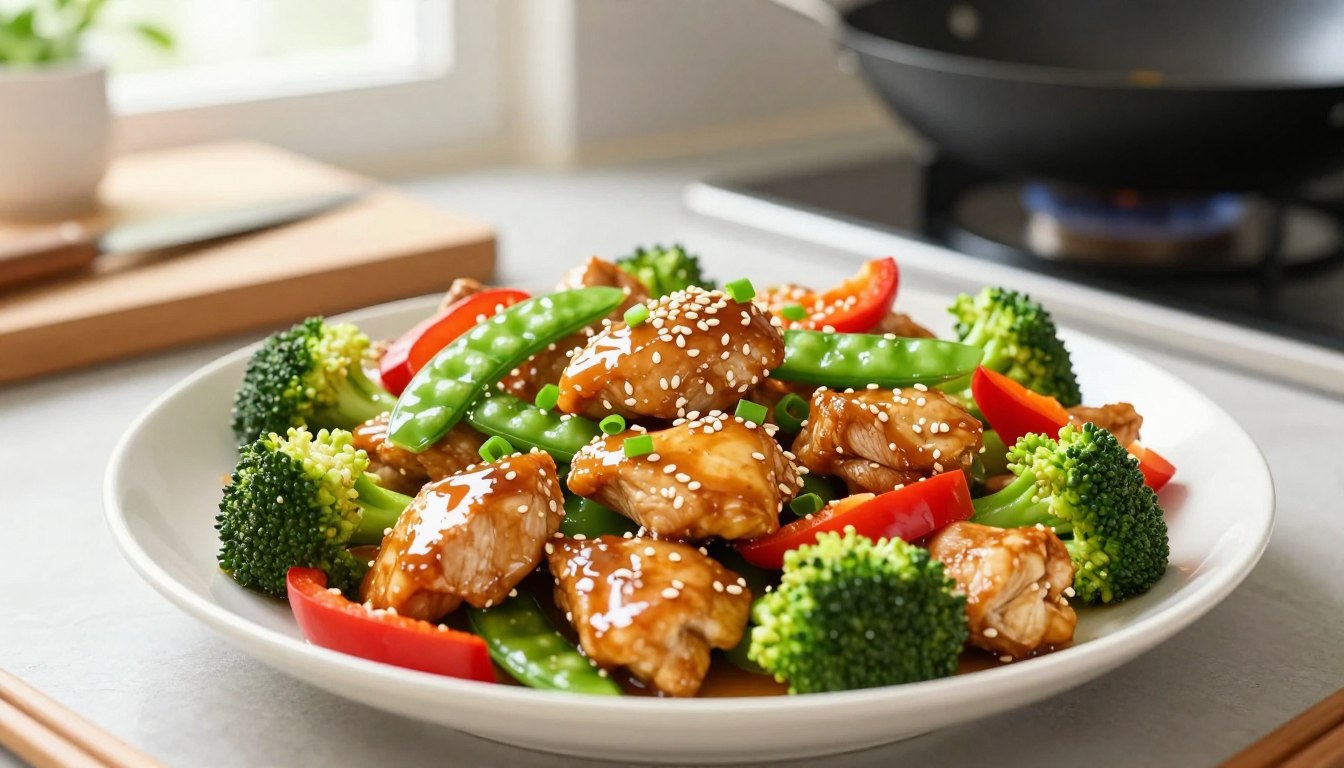
Do you crave the bold, vibrant flavors of the South but lack the time to spend hours in the kitchen? Bringing authentic Louisiana-inspired cooking into your home is simpler than you might think. You can master a delicious Chicken Creole dish that warms the soul without the stress of complex preparation.
This flavorful meal relies on fresh ingredients and straightforward techniques to deliver a restaurant-quality experience. By focusing on efficient cooking methods, you ensure that even the busiest weeknights result in a hearty dinner for your family. Discover how this easy chicken creole approach transforms basic pantry staples into a vibrant, comforting masterpiece that everyone will love.
Key Takeaways
- Learn to balance bold spices for authentic Southern flavor.
- Save time with efficient prep techniques for busy schedules.
- Use fresh, accessible ingredients to elevate your weeknight dinner.
- Master a one-pot method that minimizes cleanup time.
- Create a nutritious, family-friendly meal in under forty minutes.
The Essence of Authentic Chicken Creole
Diving into the origins of this meal provides a deeper appreciation for every bite you take. When you prepare an authentic chicken creole, you are not just cooking dinner; you are participating in a vibrant culinary history. This dish serves as a bridge between past traditions and your modern kitchen.

Understanding the Creole Culinary Tradition
The roots of this meal are deeply embedded in the cultural melting pot of Louisiana. It represents a harmonious blend of French, Spanish, and African influences that define the region’s unique food culture. By combining these diverse techniques, a traditional chicken creole achieves a depth of flavor that is truly unmatched.
You will find that the base of the dish relies on a specific balance of aromatics and tomatoes. This foundation is what makes a classic chicken creole stand out from other tomato-based stews. Embracing these historical roots allows you to honor the legacy of the dish while enjoying a hearty, comforting meal.
Why This Dish is Perfect for Busy Weeknights
Modern life often leaves little time for complex meal preparation. Fortunately, Chicken Creole is designed for efficiency without sacrificing quality. Because it is a one-pot meal, you spend less time cleaning and more time enjoying your evening.
The cooking process is straightforward, making it an ideal choice for your weekly rotation. Whether you are a novice or an experienced cook, you can master this classic chicken creole with ease. The following table highlights why this dish remains a favorite for busy families.
| Feature | Traditional Approach | Modern Weeknight Benefit |
|---|---|---|
| Cooking Method | Slow-simmered over fire | One-pot efficiency |
| Flavor Profile | Complex, layered spices | Consistent, bold taste |
| Preparation Time | Extended prep | Quick, streamlined steps |
| Serving Style | Family-style platter | Easy, single-bowl service |
By choosing an authentic chicken creole, you ensure that your family receives a nutritious and flavorful dinner. It is a traditional chicken creole recipe that respects time-honored methods while fitting perfectly into your fast-paced schedule. You will quickly see why this meal is a staple in so many homes.
Essential Chicken Creole Ingredients
Your journey toward the perfect creole chicken recipe begins in the produce and meat aisles of your local market. Selecting high-quality components is the secret to achieving a restaurant-quality meal at home. By focusing on fresh items, you ensure that every bite is packed with vibrant, bold flavors.
Selecting the Right Cut of Chicken
When you gather your chicken creole ingredients, the cut of meat you choose significantly impacts the final texture. Many chefs prefer using boneless, skinless chicken thighs because they remain tender and juicy during the simmering process. If you prefer a leaner option, chicken breasts work well, provided you avoid overcooking them.

The Holy Trinity of Creole Cooking
No authentic chicken creole is complete without the “Holy Trinity.” This foundational trio consists of diced yellow onions, green bell peppers, and celery. These three vegetables provide the aromatic base that defines the soul of Louisiana-style cooking.
Sautéing these vegetables until they are soft and translucent is a critical step. This process releases natural sugars, creating a savory foundation that supports the rest of the dish. Do not rush this stage, as it builds the depth of flavor required for a truly traditional result.
Spices and Aromatics for Depth of Flavor
To elevate your classic chicken creole, you must incorporate a blend of dried herbs and pungent aromatics. Freshly minced garlic is non-negotiable, as it provides a sharp, savory punch that cuts through the richness of the tomato sauce. Adding dried thyme, oregano, and a bay leaf will introduce earthy undertones that round out the profile.
Balancing Heat and Savory Notes
Achieving the right balance between heat and savory notes is an art form. You should start with a modest amount of cayenne pepper or hot sauce, tasting as you go to suit your personal preference. Smoked paprika is another excellent addition, as it adds a subtle warmth and a beautiful color to the sauce.
Remember that the goal is to enhance the natural flavors of the chicken and vegetables rather than masking them. By carefully adjusting your spice levels, you create a harmonious dish that is both comforting and exciting. Consistency in seasoning is what separates a good meal from a memorable one.
Preparing Your Kitchen for Success
Creating an easy chicken creole requires more than just fresh components; it demands a well-organized kitchen environment. When you prepare your space in advance, you turn a potentially chaotic cooking session into a smooth, enjoyable process. This approach is the true secret to mastering a delicious homemade chicken creole in your own home.
Choosing the Right Cookware
The foundation of a great dish often lies in the tools you select. For this recipe, a heavy-bottomed Dutch oven is your best choice. Its thick walls and base provide superior heat retention and even distribution.
This consistency is vital when you are simmering your sauce. It prevents hot spots that could scorch your delicate herbs or vegetables. By using the right pot, you ensure that every bite is cooked to perfection.
Mise en Place for a Stress-Free Cooking Experience
The French culinary technique of mise en place, or “everything in its place,” is essential for success. Before you ignite your stove, take a few minutes to chop, measure, and arrange all your chicken creole ingredients in small bowls.
Having your spices, aromatics, and proteins ready to go allows you to focus entirely on the cooking process. You will no longer feel rushed or frantic while searching for a missing spice. This organized method keeps your workflow steady and helps you maintain control over the final texture and flavor of your meal.
Step-by-Step Guide to the Best Chicken Creole
You can elevate your weeknight dinner by following this structured guide to the perfect creole chicken recipe. Achieving professional results at home is entirely possible when you focus on the timing and heat of each stage. By following these steps, you ensure that every component of your meal reaches its full potential.
Searing the Chicken for Maximum Flavor
Start by heating a heavy-bottomed pot over medium-high heat with a splash of oil. Pat your chicken pieces dry with a paper towel to ensure a beautiful, golden-brown crust. Place the chicken in the pan without overcrowding it, allowing the meat to sear undisturbed for several minutes on each side.
Sautéing the Vegetables to Perfection
Once the chicken is browned, remove it and add your onions, bell peppers, and celery to the same pot. This homemade chicken creole base relies on these vegetables softening in the rendered fat. Cook them until they are translucent and fragrant, which usually takes about five to seven minutes.
Simmering the Sauce with Tomatoes and Herbs
Now, stir in your crushed tomatoes, garlic, and signature spices to create the foundation of your traditional chicken creole. Bring the mixture to a gentle boil before lowering the heat to a steady simmer. This slow cooking process allows the acidity of the tomatoes to mellow while the herbs infuse the liquid with deep, earthy notes.
Combining Ingredients for the Final Reduction
Return the seared chicken to the pot, nestling the pieces into the sauce. Cover the pan and let everything cook together until the chicken is tender and fully cooked through. Finally, remove the lid and increase the heat slightly to reduce the sauce until it reaches a thick, velvety consistency that coats the back of a spoon.
| Cooking Stage | Heat Level | Goal |
|---|---|---|
| Searing | Medium-High | Lock in moisture |
| Sautéing | Medium | Develop aromatics |
| Simmering | Low | Infuse flavors |
| Reduction | Medium-Low | Thicken sauce |
Tips for Customizing Your Spicy Chicken Creole
Personalizing your kitchen creations allows you to cater to every guest’s palate. Whether you prefer a mild kick or a bold, fiery finish, this spicy chicken creole recipe serves as a versatile foundation for your culinary experiments.
Adjusting the Spice Level to Your Preference
You can easily control the heat by modifying the amount of cayenne pepper or hot sauce used during the simmering process. If you want a truly intense experience, consider adding finely diced habanero or serrano peppers alongside your aromatics. Conversely, if you prefer a milder version of this spicy chicken creole, simply reduce the chili-based ingredients and rely on the natural sweetness of the bell peppers.
Adding Seasonal Vegetables for Extra Nutrition
Incorporating fresh, seasonal produce is a fantastic way to boost the nutritional profile of your meal. During the summer months, try adding sliced okra or diced zucchini to the pot for a refreshing texture. In the cooler seasons, hearty additions like chopped kale or roasted sweet potatoes provide a wholesome depth that complements the savory sauce perfectly.
Serving Suggestions for a Complete Meal
A well-rounded dinner requires the right base to soak up the rich, flavorful sauce. While the classic choice is a fluffy grain, you can also serve your spicy chicken creole over creamy grits or even crusty French bread to capture every drop of the reduction.
Choosing the Best Rice Varieties
Selecting the right grain makes a significant difference in the final presentation and mouthfeel of your dish. Consider these popular options to elevate your dining experience:
- Long-grain white rice: Provides a light, fluffy texture that absorbs sauce without becoming mushy.
- Jasmine rice: Offers a subtle floral aroma that balances the bold spices of the creole sauce.
- Basmati rice: Features a distinct, nutty flavor and a firm grain structure that holds up well against hearty stews.
Conclusion
Creating a restaurant-quality meal at home brings a sense of accomplishment to your dinner table. You now possess the foundational knowledge to prepare a spicy chicken creole that balances bold aromatics with tender protein.
Focusing on high-quality ingredients like fresh bell peppers and vine-ripened tomatoes elevates your cooking results. These simple choices transform a standard weeknight dinner into a memorable culinary experience for your family.
Practice these techniques to refine your speed and confidence in the kitchen. Mastering the heat levels and reduction times allows you to customize your spicy chicken creole to suit every palate in your home.
Share your results with friends or experiment with new side dishes to keep your menu exciting. Your journey toward becoming a home chef starts with these reliable, flavorful recipes that respect tradition while fitting your busy lifestyle.
FAQ
What defines an authentic chicken creole compared to other Southern dishes?
An authentic chicken creole is distinguished by its rich, tomato-based sauce and the use of the “Holy Trinity”—a foundational blend of onions, bell peppers, and celery. Unlike many Cajun dishes that rely on a heavy roux, this traditional chicken creole focuses on the bright, acidic flavors of tomatoes combined with French, Spanish, and African culinary influences.
Which chicken creole ingredients are essential for the best flavor?
To master this creole chicken recipe, you need high-quality chicken creole ingredients including fresh aromatics, garlic, canned crushed tomatoes, and a robust blend of spices like thyme, oregano, and cayenne pepper. Using a heavy-bottomed pot, such as a Le Creuset Dutch oven, ensures your ingredients simmer evenly to develop a deep, complex profile.
Can I make an easy chicken creole on a tight schedule?
Yes, you can easily prepare an easy chicken creole for a weeknight meal by utilizing mise en place. By chopping your vegetables and measuring your spices in advance, the actual cooking process becomes a streamlined, one-pot affair that delivers a homemade chicken creole with minimal cleanup.
How do I control the heat level in a spicy chicken creole?
You have full control over your spicy chicken creole by adjusting the amount of cayenne pepper or hot sauce you include. For a standard kick, a few dashes of Tabasco or Crystal Hot Sauce work perfectly; however, if you prefer a milder classic chicken creole, you can omit the extra pepper and focus on savory herbs like bay leaves and parsley.
What is the best type of rice to serve with this dish?
For a truly traditional chicken creole experience, you should serve the sauce and meat over a fluffy bed of long-grain white rice. Brands like Mahatma or Zatarain’s offer excellent textures that absorb the savory tomato sauce without becoming mushy, ensuring every bite of your chicken creole is perfectly balanced.
Should I use chicken breasts or thighs for my homemade chicken creole?
While both work, most chefs recommend using boneless, skinless chicken thighs for your homemade chicken creole. Thighs are more succulent and stay tender during the simmering process, whereas breasts can dry out more quickly if left on the stove for too long. Searing the meat first in a bit of Wesson vegetable oil will help lock in those essential juices.