
Baked Lemon Fish: A Delicious and Healthy Meal
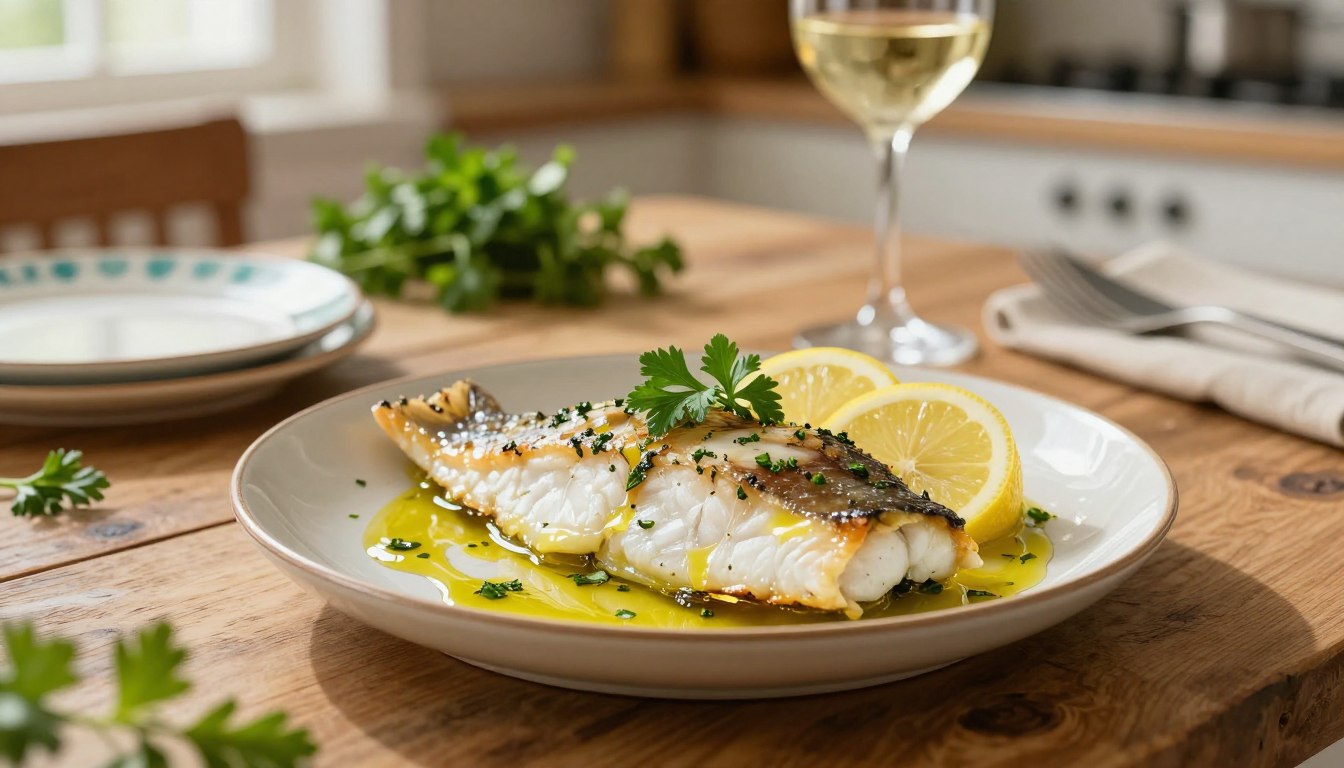
Preparing a fresh, citrus-forward seafood dinner at home is a rewarding experience. You can easily transform simple ingredients into a restaurant-quality masterpiece with just a few basic steps.
Mastering this versatile cooking technique allows you to enjoy a meal that perfectly balances gourmet flavor with high nutritional density. Whether you are a novice in the kitchen or a seasoned home cook, this method ensures consistent results every time.
Choosing a Baked Lemon Fish recipe provides a reliable way to serve a wholesome dish that your entire family will love. It is the ideal solution for busy weeknights when you crave something light, vibrant, and incredibly satisfying.
Key Takeaways
- Citrus notes enhance the natural flavors of high-quality seafood.
- This cooking method preserves essential nutrients and moisture.
- Simple preparation makes this dish perfect for busy schedules.
- You can easily customize the recipe with your favorite fresh herbs.
- This meal offers a healthy balance of lean protein and zest.
Why Baked Lemon Fish is the Perfect Weeknight Dinner
If you are looking for a meal that balances nutrition with ease, look no further than your oven. Preparing a Baked Lemon Fish dish provides a sophisticated flavor profile without requiring advanced culinary skills. It is an ideal solution for anyone wanting to maintain a healthy lifestyle while managing a hectic schedule.
Nutritional Benefits of White Fish
White fish, such as cod or tilapia, serves as an excellent source of lean protein. Unlike heavier meats, these varieties are low in calories yet packed with essential nutrients. You will find that incorporating this protein into your diet supports muscle maintenance and overall metabolic health.
Furthermore, many white fish varieties contain beneficial omega-3 fatty acids. These healthy fats are vital for heart health and cognitive function. By choosing a Baked Lemon Fish recipe, you ensure your body receives high-quality fuel without the excess saturated fats found in other protein sources.
The Convenience of Oven-Baked Meals
One of the greatest advantages of this cooking method is the sheer simplicity it offers. Oven-baking allows you to set a timer and step away, freeing you from the constant monitoring required by stovetop frying. You avoid the messy oil splatters that often accompany pan-searing, keeping your kitchen clean and stress-free.
This approach is perfect for busy weeknights when you need a nutritious meal on the table quickly. The following table highlights why this method is superior for your daily routine:
| Feature | Baked Lemon Fish | Stovetop Frying |
|---|---|---|
| Preparation Time | Low | Moderate |
| Cleanup Effort | Minimal | High |
| Nutrient Retention | High | Moderate |
| Added Fats | Very Low | High |
Selecting the Best Fish for Your Baked Lemon Fish Recipe
Your journey to a perfect dinner begins at the seafood counter. Choosing the right protein is essential for achieving the perfect texture and flavor in your final dish. Whether you prefer a delicate bite or a firm, meaty fillet, understanding your options will help you create a delicious Baked Lemon Fish every time.
Choosing Between Tilapia, Cod, and Halibut
Different white fish offer unique characteristics that change how they react to heat. For instance, lemon baked tilapia is a popular choice because it is mild, affordable, and cooks very quickly. If you prefer a thicker, flakier texture, cod is an excellent alternative that holds up well to bold seasonings.
For those who enjoy a firmer, more substantial bite, halibut is a premium option. It maintains its shape beautifully under high heat, making it a favorite for many home chefs. Use the table below to decide which variety fits your specific needs for your next meal.
| Fish Variety | Texture | Flavor Profile | Best Use |
|---|---|---|---|
| Tilapia | Soft and thin | Very mild | Quick weeknight meals |
| Cod | Flaky and tender | Mild and sweet | Versatile baking |
| Halibut | Firm and meaty | Clean and rich | Special occasions |
Identifying Freshness at the Seafood Counter
Once you have decided on your protein, you must ensure it is of the highest quality. Always look for clear, bright eyes on whole fish, as cloudy eyes are a sign of age. If you are buying fillets, look for flesh that appears moist and firm rather than dull or mushy.
Trust your senses when you approach the counter. A fresh, oceanic scent is a good indicator of quality, while a strong or “fishy” smell should be avoided. By selecting the freshest ingredients, you ensure that your Baked Lemon Fish or lemon baked tilapia will taste bright, clean, and professional.
Essential Ingredients for Flavorful Lemon Herb Baked Fish
You can transform simple fillets into a gourmet experience by focusing on high-quality components. The secret to a vibrant lemon herb baked fish lies in the quality of your aromatics and fats. When you start with premium ingredients, you build a foundation that allows the natural sweetness of the fish to shine through.
Selecting High-Quality Olive Oil and Citrus
The base of your dish relies heavily on the quality of your extra virgin olive oil. Look for cold-pressed varieties that offer a peppery, robust finish to complement the delicate nature of the seafood. This oil acts as a carrier for the other flavors, ensuring every bite is rich and satisfying.
Pair your oil with fresh, organic lemons to create a bright, acidic profile. Using organic citrus ensures that you can safely zest the peel without worrying about synthetic pesticides. The zest provides a concentrated burst of essential oils that elevates the overall lemon herb baked fish experience.
“The quality of your ingredients is the most important factor in the success of any dish. When you cook with fresh, vibrant produce, you need very little else to create a masterpiece.”
— Renowned Culinary Expert
Choosing the Right Fresh Herbs
Fresh herbs are the final touch that brings your meal to life. While dried herbs have their place, fresh varieties like parsley, dill, or thyme offer a clean, aromatic complexity that dried versions simply cannot match. Selecting the right herb depends on the specific flavor profile you want to achieve.
The following table outlines how different herbs interact with your fish to create a balanced dish:
| Herb | Flavor Profile | Best Pairing |
|---|---|---|
| Dill | Grassy and light | White fish like Cod |
| Thyme | Earthy and floral | Heartier fillets |
| Parsley | Fresh and clean | All-purpose garnish |
By experimenting with these combinations, you will master the art of the lemon herb baked fish. Always add your fresh herbs toward the end of the preparation to preserve their delicate oils and vibrant color. This simple attention to detail ensures your final dish is as beautiful as it is delicious.
Preparing Your Workspace and Ingredients
Before you turn on the oven, take a moment to organize your workspace for maximum efficiency. A clean and orderly kitchen allows you to focus on the technique rather than searching for missing tools. By setting up your station in advance, you ensure that your cooking process remains smooth and enjoyable.
Properly Cleaning and Drying Your Fillets
The secret to achieving a perfectly golden crust on your fish lies in how you handle the raw fillets. You should always rinse your fish under cold, running water to remove any surface debris. Once rinsed, it is vital to pat the fillets completely dry using clean paper towels.
If you skip this step, the excess moisture will cause the fish to steam in the oven instead of baking properly. Removing surface water allows the heat to penetrate evenly, resulting in a much better texture. Your goal is to create a dry surface that welcomes the olive oil and seasonings you plan to apply.
Measuring and Prepping Your Aromatics
Efficiency in the kitchen comes down to having your ingredients ready before the heat is applied. Start by gathering your aromatics, such as fresh lemons, garlic, and herbs, and placing them within easy reach. Taking the time to slice your citrus and mince your herbs now will save you from rushing later.
Consider these essential steps to streamline your workflow:
- Slice your lemons into thin, uniform rounds to ensure even flavor distribution.
- Mince your fresh herbs finely so they release their essential oils into the fish.
- Measure your olive oil and spices into small bowls to keep your counter clutter-free.
- Arrange your baking dish nearby so you can assemble the meal quickly once the prep is finished.
By following this organized approach, you transform the cooking process into a relaxing and rewarding experience. When your ingredients are prepped and ready, you can focus entirely on the flavors of your dish. This level of preparation is the hallmark of a confident home cook.
Step-by-Step Guide to Making Simple Baked Lemon Fish
Achieving restaurant-quality results is easier than you might think when you follow a few simple steps. By focusing on the right techniques, you can create an easy baked fish recipe that highlights the natural flavors of your ingredients. This process ensures that your meal is both nutritious and incredibly satisfying.
Setting Your Oven Temperature for Optimal Results
The secret to perfectly cooked seafood lies in the heat of your oven. For most white fish fillets, a temperature between 375°F and 400°F is ideal. This range allows the fish to cook through evenly while keeping the texture tender and moist.
Preheating your oven is a crucial step that you should never skip. Placing your dish into a cold oven can lead to uneven cooking and a rubbery texture. Always wait for the indicator light to signal that the target temperature has been reached.
Seasoning and Arranging the Fish
Once your oven is ready, place your fillets on a lined baking sheet or in a shallow dish. Pat the fish dry with a paper towel to ensure the seasonings adhere properly to the surface. Drizzle a small amount of high-quality olive oil over the top to lock in moisture.
Next, apply your herbs, salt, and pepper evenly across the fillets. Arrange thin slices of fresh lemon directly on top of the fish to infuse a bright, citrus aroma during the baking process. This simple preparation is the foundation of a simple baked lemon fish that tastes fresh and vibrant.
Monitoring Internal Temperature for Safety
To ensure your meal is safe and perfectly cooked, use a digital meat thermometer. Insert the probe into the thickest part of the fillet to get an accurate reading. You are looking for an internal temperature of 145°F, which is the standard for food safety.
Keep in mind that fish continues to cook slightly after you remove it from the heat. If you notice the flesh flakes easily with a fork and appears opaque, it is ready to serve. Enjoying your perfectly prepared meal is the best part of the entire process.
Variations for Your Baked Lemon Garlic Fish
If you want to break the monotony of your weekly menu, try these creative twists on your favorite fish dish. Once you have mastered the foundational techniques, you can easily experiment with bold flavor profiles to keep your dinners exciting. Customizing your baked lemon garlic fish allows you to match your meal to your specific cravings for the evening.

Adding a Spicy Kick with Red Pepper Flakes
For those who enjoy a bit of heat, red pepper flakes are a fantastic addition to your seasoning blend. Simply sprinkle a pinch over your fillets before they enter the oven to infuse the oil with a subtle, warming spice. This small adjustment transforms the flavor profile without overpowering the delicate taste of the white fish.
You can also mix the flakes directly into your lemon and butter sauce for a more consistent heat level. This method ensures that every bite of your baked lemon garlic fish carries a balanced, zesty kick. It is a perfect way to add depth to a simple weeknight meal.
Incorporating Mediterranean Vegetables
Transforming your dinner into a complete, one-pan meal is easy when you add fresh, colorful vegetables. Cherry tomatoes, briny olives, and marinated artichoke hearts pair beautifully with the citrus notes of the dish. These ingredients roast alongside the fish, creating a savory, aromatic sauce that ties everything together.
Simply arrange the vegetables around the fillets on your baking sheet before cooking. The juices from the tomatoes will mingle with the garlic and olive oil, resulting in a restaurant-quality presentation. This approach saves time on cleanup while ensuring you get a healthy serving of produce with your protein.
| Variation Type | Key Ingredients | Flavor Profile |
|---|---|---|
| Spicy Heat | Red Pepper Flakes | Bold and Zesty |
| Mediterranean | Olives, Tomatoes | Savory and Briny |
| Herb-Forward | Fresh Basil, Thyme | Fresh and Earthy |
Tips for Achieving Perfectly Moist Lemon Butter Baked Fish
Preparing a restaurant-quality meal at home starts with how you manage your heat and moisture. When you prepare a lemon butter baked fish, the goal is to keep the flesh tender and succulent throughout the cooking process.
Using Parchment Paper or Foil Packets
One of the most effective ways to ensure your meal stays juicy is by using the en papillote technique. By wrapping your fillets in parchment paper or aluminum foil, you create a sealed environment that traps steam inside.
This method allows the fish to poach gently in its own juices and the added sauce. As the steam circulates, it infuses the lemon butter baked fish with vibrant aromatics, ensuring every bite is packed with flavor.
Avoiding Overcooking Your Fillets
The biggest challenge when baking delicate white fish is preventing it from becoming dry or rubbery. You should keep a close eye on the oven as the cooking time nears its end to ensure the best results.
Look for clear visual cues to determine if your dish is ready. The flesh should turn completely opaque and flake easily when you gently press it with a fork.
If the fish resists flaking or still looks translucent, give it another minute or two. Mastering these simple timing habits will help you serve a perfect lemon butter baked fish every single time you cook.
Pairing Your Healthy Baked Fish Dish with Sides
Choosing the right sides is essential for rounding out your healthy baked fish dish. A well-rounded meal relies on the perfect harmony of textures and flavors to satisfy your palate. By selecting the right accompaniments, you can elevate a simple weeknight dinner into a complete culinary experience.

Selecting Light Grains and Roasted Vegetables
When serving a delicate protein, you want sides that provide substance without overpowering the main course. Fluffy quinoa or nutty brown rice serve as excellent foundations for your plate. These grains absorb the subtle juices from the fish, ensuring every bite remains flavorful.
Roasted vegetables are another fantastic option to consider. Seasonal choices like asparagus, zucchini, or cherry tomatoes offer a delightful crunch that contrasts beautifully with the tender texture of the fillets. Roasting these vegetables with a touch of garlic and sea salt enhances their natural sweetness.
Complementing Flavors with Fresh Salads
A crisp, acidic salad provides a refreshing counterpoint to the buttery, citrus-infused notes of your meal. The bright acidity of a lemon vinaigrette cuts through the richness of the fish, cleansing your palate between bites. You might try a simple arugula salad tossed with shaved fennel and a light dressing.
Alternatively, a cucumber and radish salad adds a cool, crisp element that feels light and clean. Incorporating fresh herbs like dill or parsley into your salad greens ties the entire meal together. These vibrant additions ensure your healthy baked fish dish remains the star while providing a balanced and nutritious dining experience.
Storing and Reheating Your Baked Lemon Fish Fillets
Managing your leftovers effectively allows you to savor your healthy meal for up to two days. When you prepare baked lemon fish fillets, you want to ensure that the texture and flavor remain intact for your next lunch or dinner. Proper handling prevents the fish from becoming dry or losing its delicate citrus notes.
Best Practices for Refrigeration
To maintain the highest quality, you should store your cooked fish in an airtight container as soon as it has cooled to room temperature. Placing the container in the coldest part of your refrigerator helps preserve the moisture levels of the fillets. Avoid leaving the fish out on the counter for more than two hours to ensure food safety.
Using glass containers is often preferred, as they do not absorb odors from other foods in your fridge. If you have extra sauce or lemon slices, store them alongside the fish to keep the meat hydrated. This simple step ensures your baked lemon fish fillets stay succulent until you are ready to eat them again.
How to Reheat Without Drying Out the Fish
Reheating seafood requires a gentle touch to avoid a rubbery texture. The best approach is to use a low-temperature oven, which allows the heat to penetrate the fish slowly without overcooking the delicate proteins. You can also use a steamer basket for a few minutes to infuse the fish with moisture.
Avoid using the microwave if possible, as it often leads to uneven heating and tough, dry edges. If you must use a microwave, cover the dish with a damp paper towel and use a low power setting. The following table compares the most effective ways to restore your meal to its original quality.
| Method | Temperature/Setting | Estimated Time | Resulting Texture |
|---|---|---|---|
| Oven | 275°F (135°C) | 10-12 Minutes | Moist and tender |
| Steamer | Low Steam | 3-5 Minutes | Very soft and flaky |
| Microwave | 50% Power | 1-2 Minutes | Acceptable if covered |
By choosing the right reheating method, you ensure that your baked lemon fish fillets taste just as fresh as they did when they first came out of the oven. Always check that the internal temperature reaches a safe level before serving. Enjoying your leftovers is a great way to reduce food waste while maintaining a healthy diet.
Conclusion
Creating a nutritious meal at home becomes a simple task when you rely on fresh ingredients and basic techniques. You now possess the knowledge to transform high-quality white fish into a restaurant-style dinner in your own oven.
This method offers a reliable way to maintain a healthy diet during your busiest work weeks. You can feel confident selecting the best fillets at your local seafood counter and pairing them with your favorite seasonal sides.
Your culinary journey does not stop here. Feel free to swap out herbs or experiment with new vegetable combinations to keep your dinner menu exciting. Making this dish a staple in your home kitchen ensures you always have a quick, flavorful, and wholesome option ready to serve.
FAQ
What are the best types of seafood to use for an easy baked fish recipe?
When preparing a simple baked lemon fish, you should look for lean white fish that holds its shape well. Lemon baked tilapia is a popular and affordable choice, but you can also opt for the flaky texture of Cod or the firm, meaty consistency of Halibut. Ensure your selection is fresh by checking for clear eyes and a clean, oceanic scent at the seafood counter.
How do you prevent baked lemon fish fillets from becoming dry in the oven?
To achieve a perfectly moist lemon butter baked fish, you can use the “en papillote” technique by wrapping the fillets in parchment paper or aluminum foil. This traps the steam and infuses the fish with citrus juices. Additionally, you should monitor the internal temperature with a digital thermometer to ensure you do not exceed the point where the proteins become tough and rubbery.
What is the secret to getting a good sear on a healthy baked fish dish?
The most important step in your preparation is to pat the fish fillets completely dry with paper towels before adding any oil or seasoning. Removing excess surface moisture prevents the fish from steaming in its own juices, allowing the extra virgin olive oil and heat to create a better texture on the outside while keeping the inside tender.
Which herbs work best when preparing a lemon herb baked fish?
You can elevate your dish by using fresh aromatics like parsley, dill, or thyme. These herbs complement the acidity of the lemon and the richness of the fish. For a more robust baked lemon garlic fish, you might also consider adding minced garlic from trusted brands like Christopher Ranch to provide a savory depth to the bright citrus profile.
Can I add vegetables to make this a one-pan meal?
Absolutely. You can easily transform the recipe by incorporating Mediterranean vegetables such as cherry tomatoes, Kalamata olives, and artichoke hearts. This not only adds nutritional variety but also allows the vegetables to roast in the same flavorful juices as the fish, creating a cohesive and healthy baked fish dish with minimal cleanup.
What should you serve alongside baked lemon fish to create a balanced meal?
To complement the light and citrusy flavors, you should pair your fish with high-fiber grains like quinoa or brown rice. A side of roasted asparagus or a crisp, leafy green salad with a light vinaigrette provides a refreshing contrast to the buttery notes of the seafood.
What is the best way to reheat leftover fish without it drying out?
When reheating your leftovers, avoid the microwave, as it often makes seafood rubbery. Instead, place your fillets in a low-temperature oven (around 275°F) covered with foil and a splash of water or broth. This gentle heating process helps maintain the moisture and flavor of the original meal.