
Chicken Paella Made Easy for a Tasty Meal Tonight
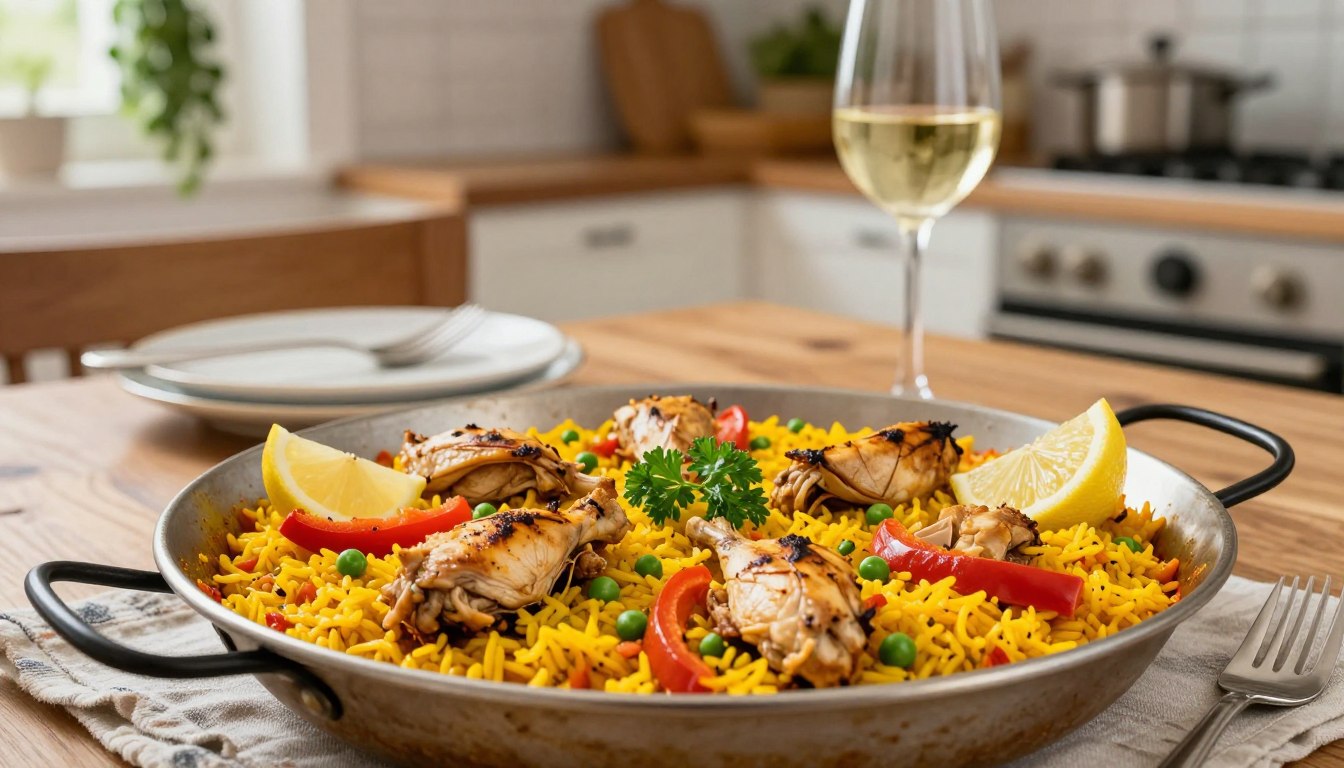
Are you craving a vibrant, Spanish-inspired dinner that brings the family together? Preparing a delicious easy chicken paella is simpler than you might imagine. You do not need professional culinary skills to master this classic dish in your own kitchen.
This flavorful recipe focuses on tender poultry and aromatic rice, ensuring a satisfying result every time. By following a few straightforward steps, you can create a restaurant-quality meal without the stress of complicated techniques.
We will guide you through seasoning your protein, building a rich sofrito base, and perfecting the rice texture. You will even learn the secret to developing that coveted golden crust known as socarrat. Get ready to enjoy a wonderful paella with chicken that is perfect for any busy weeknight.
Key Takeaways
- Learn how to prepare a stress-free, authentic Spanish dinner at home.
- Master the art of building a deep, savory flavor base using fresh ingredients.
- Discover the simple steps to achieve the perfect rice texture every time.
- Understand how to create the signature golden crust known as socarrat.
- Save time with a streamlined cooking process designed for busy families.
What Makes Chicken Paella a Flavorful Spanish Dish
When you think of a classic spanish dish, the image of a golden, aromatic pan of paella likely comes to mind. This iconic meal captures the spirit of Mediterranean cooking by combining tender chicken with perfectly cooked rice. It is a celebration of textures and aromas that turns any dinner into a special occasion.

The Traditional Ingredients Behind Authentic Flavors
The secret to achieving authentic flavors lies in the quality of your components. You start with high-quality olive oil and a base of aromatics known as sofrito, which provides a deep, savory foundation. Traditional ingredients like premium saffron threads are essential, as they impart a signature golden hue and a subtle, earthy fragrance to the rice.
Every element serves a purpose in building the final profile. The chicken absorbs the essence of the stock, while the vegetables add freshness and color. When these items simmer together, they create a harmonious blend that defines the soul of this Mediterranean staple.
How This Easy Chicken Paella Fits a Weeknight Meal
You might assume that such a complex-tasting meal requires hours of labor, but that is not the case. By organizing your prep work, you can streamline the process to fit your busy schedule. Efficient preparation allows you to enjoy a restaurant-quality experience without spending your entire evening in the kitchen.
This approach makes it simple to serve a nutritious and impressive dinner on a Tuesday night. With straightforward steps and accessible items, you can master the art of this spanish dish in your own home. It is the perfect way to bring authentic flavors and traditional ingredients to your family table with minimal stress.
Ingredients and Kitchen Tools You Need
To master the art of Spanish cuisine, you must first understand the essential tools and ingredients. Having everything prepared before you turn on the stove ensures a smooth and enjoyable cooking process.
Chicken, Rice, Vegetables, and Aromatics
A traditional recipe relies on fresh, high-quality components to build deep layers of flavor. You will need bone-in chicken pieces, which provide more moisture and richness than breast meat alone.
Choosing Short- or Medium-Grain Rice
The secret to perfect saffron rice lies in the grain selection. You should always choose short- or medium-grain varieties like Bomba or Calasparra.
These grains are unique because they absorb liquid efficiently without turning into mush. Their ability to soak up the broth is what gives the dish its signature texture and depth.

Saffron is the heart of the dish, providing a vibrant golden hue and a delicate, earthy aroma. When combined with smoked paprika, it creates a complex profile that defines the authentic taste of the region.
These spices should be high-quality to ensure the best results. A pinch of salt and a touch of garlic will round out the seasoning, elevating the natural flavors of the chicken and vegetables.
Stock, Olive Oil, and Optional Garnishes
High-quality chicken stock serves as the foundation for your liquid base. Using a rich, homemade or low-sodium store-bought stock allows you to control the salt levels precisely.
Extra virgin olive oil is essential for sautéing your aromatics and building the base. For garnishes, consider fresh parsley or lemon wedges to add a bright, acidic finish that cuts through the richness of the rice.
Best Pan for Cooking Paella at Home
The most practical tool for this task is a wide, shallow pan. This design is crucial because it allows the rice to cook in a thin, even layer across the surface.
A shallow pan also promotes the development of the socarrat, the prized caramelized crust at the bottom. If you do not have a traditional paella pan, a large, heavy-bottomed skillet will work well for your home kitchen setup.
Preparing the Chicken Paella Ingredients
Before you turn on the stove, you must organize your workspace for success. Proper preparation ensures that your traditional chicken paella comes together smoothly without any last-minute rushing.
Cutting and Seasoning the Chicken
Start by cutting your chicken into uniform, bite-sized pieces. Keeping the pieces consistent in size is essential because it allows them to brown evenly in the pan.
Once cut, season the meat generously with salt and pepper. This simple step builds the foundation for an authentic recipe that tastes professional and well-balanced.
Building a Flavorful Sofrito
The heart of this dish lies in the sofrito, a slow-cooked base of aromatics. You should finely dice your onions, bell peppers, and garlic before adding them to the pan.
Cook these vegetables over medium-low heat until they are soft and translucent. Stir in grated tomatoes and continue to cook until the mixture thickens into a rich, dark paste.
This patient process extracts deep flavors that define a traditional chicken paella. Without this step, the dish would lack the complexity required for an authentic recipe.
Measuring the Rice, Stock, and Saffron
Precision is key when working with rice and liquid ratios. Measure your short-grain rice, chicken stock, and saffron threads before you begin the cooking process.
Having everything pre-measured keeps your workflow organized and efficient. Consistency in these measurements guarantees that your rice reaches the perfect texture every time you cook.
Cooking Chicken Paella Step by Step
The secret to the best chicken paella recipe lies in the precise sequence of your cooking steps. By following a structured workflow, you ensure that every element contributes to a cohesive and tasty final dish.
Browning the Chicken for a Richer Base
Start by searing your chicken pieces in a hot pan with olive oil. You want to achieve a deep, golden-brown crust on all sides to lock in the juices. This process creates a flavorful foundation that will infuse the entire dish with depth.
Sautéing the Aromatics and Toasting the Rice
Once the chicken is browned, remove it and add your vegetables and aromatics to the same pan. Sauté them until they soften and release their natural sweetness. Add your rice next, stirring it briefly to coat every grain in the seasoned oil. Toasting the rice for a minute or two helps it maintain its structure during the long simmer.
Adding the Saffron Stock Without Stirring Excessively
Pour your warm saffron-infused stock evenly over the rice and chicken. It is vital to distribute the liquid across the pan so the rice cooks uniformly. Once the liquid is added, resist the urge to stir.
“Patience is the most important ingredient in a great paella,”
as many traditional Spanish chefs often suggest.
Simmering the Rice Until Tender
Maintain a steady, controlled simmer to allow the rice to absorb the liquid slowly. This gentle heat ensures the grains become tender without turning into a mushy consistency. Keep the pan uncovered so the moisture evaporates at the right pace for your homemade chicken paella.
Creating the Socarrat on the Bottom
As the liquid disappears, you will hear a faint crackling sound from the bottom of the pan. This indicates the formation of the socarrat, a prized layer of caramelized, crispy rice. This final stage is essential for achieving those delicious flavors that define an authentic experience.
How to Recognize Properly Cooked Rice
You will know your dish is ready when the grains are tender yet firm to the bite. The liquid should be fully absorbed, leaving the grains separate and distinct. A perfectly cooked pan will feature a golden, lightly crisped bottom that lifts easily from the surface.
How to Keep the Rice Flavorful and Properly Cooked
When you prepare a classic chicken paella, the way you manage the rice determines the final quality of the dish. Achieving the perfect texture requires more than just following a recipe; it demands an understanding of how heat and moisture interact with the grains. By focusing on these specific techniques, you ensure that every bite is tender and full of flavor.
Maintaining the Right Liquid-to-Rice Balance
The foundation of a great meal lies in the ratio of your stock to the rice. If you add too much liquid, the rice becomes mushy, while too little leaves the center hard and undercooked. Precision is your best friend when measuring these components before you begin the cooking process.
Why You Should Avoid Stirring During the Simmer
Many home cooks feel the urge to stir the pan, but this is a common mistake. Avoiding the spoon during the simmer helps preserve the integrity of the rice layer. This practice encourages an even cooking surface and allows the grains to absorb the saffron-infused stock without breaking down into a starch-heavy paste.
“Patience is the most important ingredient in a great paella. Let the fire do the work, and resist the temptation to interfere with the process.”
— Traditional Spanish Culinary Wisdom
Adjusting Heat for Even Cooking
Managing your heat source is vital for this popular dish to finish consistently. Start with a medium-high flame to bring the liquid to a boil, then reduce it to a gentle simmer. If you notice one side of the pan cooking faster than the other, rotate the pan occasionally to ensure uniform heat distribution.
Resting the Paella Before Serving
Once the liquid has been absorbed, do not serve the meal immediately. Allowing the pan to rest for about five to ten minutes lets the moisture redistribute throughout the rice. This short period is essential for achieving the perfect texture and ensuring the flavors meld together beautifully.
| Issue | Cause | Solution |
|---|---|---|
| Mushy Rice | Excess liquid | Reduce stock slightly |
| Hard Center | Insufficient liquid | Add a splash of hot stock |
| Burnt Bottom | Heat too high | Lower flame earlier |
Easy Variations for Chicken Paella
You can easily transform your standard chicken paella into a unique culinary masterpiece with just a few simple additions. These modifications keep the process easy to make while allowing you to experiment with bold new flavor profiles.
Adding Chorizo, Green Beans, or Artichokes
Adding smoky chorizo is a popular way to deepen the flavor of your base. Simply sauté the sliced sausage alongside your chicken to release its flavorful oils into the pan.
For a fresher crunch, fold in crisp green beans during the final stages of cooking. Canned or jarred artichoke hearts also provide a wonderful, tangy contrast that pairs beautifully with the savory rice.
Making a Seafood Variation With Shrimp and Mussels
If you prefer a seafood variation, you can incorporate shrimp and mussels into your dish. These proteins cook much faster than chicken, so add them during the last five to seven minutes of simmering.
Keep a close eye on the moisture levels when adding shellfish, as they release their own juices. This ensures your rice remains perfectly tender without becoming mushy.
Adapting the Recipe for Different Dietary Needs
You can adjust this meal to fit various health goals or family preferences without losing the authentic spirit of the dish. Swap standard chicken stock for a low-sodium vegetable broth to manage your salt intake effectively.
If you are cooking for a gluten-free household, ensure your saffron and spice blends are certified safe. These small changes keep the recipe easy to make while ensuring everyone at your table can enjoy a delicious, worry-free meal.
Serving, Storing, and Reheating Your Homemade Paella
Elevating your meal with the right garnishes makes a world of difference in both presentation and taste. Taking a few extra moments to prepare your dish for the table ensures that every guest enjoys the full depth of your culinary efforts.
Garnishing With Lemon, Parsley, and Fresh Herbs
A squeeze of fresh lemon juice is the secret to brightening a delicious chicken paella immediately before serving. The acidity cuts through the richness of the saffron-infused rice, balancing the savory notes perfectly.
Sprinkling finely chopped flat-leaf parsley over the top adds a vibrant pop of color and a fresh, herbaceous aroma. These simple additions are popular in spain. because they highlight the natural quality of the ingredients without masking the complex base flavors.
Pairing Chicken Paella With Simple Sides
Because this dish is already a complete meal, you should choose sides that complement the rice without adding unnecessary preparation. A crisp green salad with a light vinaigrette provides a refreshing contrast to the warm, hearty grains.
Alternatively, crusty bread is an excellent choice for soaking up any remaining juices on the plate. Keep your sides minimal to ensure the focus remains on your delicious chicken paella.
Storing Leftovers Safely
If you have leftovers, allow the pan to cool to room temperature before transferring the food to an airtight container. Storing the rice properly prevents it from absorbing odors in the refrigerator and keeps it safe for consumption.
You can safely keep your meal in the fridge for up to three days. Always ensure the container is sealed tightly to maintain the best possible quality for your next meal.
Reheating Rice Without Drying It Out
Reheating rice can be tricky, but the right method helps retain the desired texture. Add a small splash of water or chicken stock to the container before heating to introduce moisture back into the grains.
For the best results, reheat the dish gently on the stovetop over low heat rather than using a microwave. This approach preserves the integrity of the rice and ensures the final result remains moist and flavorful.
Conclusion
Creating an authentic spanish chicken paella relies on the harmony of simple, high-quality ingredients. You achieve deep flavor by balancing seasoned chicken with a rich sofrito and fragrant saffron stock.
Your success depends on your patience during the cooking process. Controlled heat and limited stirring allow the rice to absorb liquid while developing the prized crust known as socarrat. Resting the dish before serving ensures every grain reaches the perfect texture.
Use this foundational method as a reliable guide for your future meals. You now possess the skills to bring the vibrant taste of Spain into your home kitchen. Start your culinary journey tonight and enjoy the process of crafting a memorable meal for your family.
FAQ
What defines an authentic Spanish chicken paella?
An authentic Spanish chicken paella relies on traditional ingredients like saffron rice, Spanish cuisine staples such as smoked paprika, and a rich sofrito base of garlic, onions, and tomatoes to create delicious flavors. This popular dish reflects the heart of Mediterranean cooking through simple, high-quality components.
How can I create a seafood variation of this traditional recipe?
You can easily adapt this popular in Spain meal by incorporating shrimp, mussels, or calamari. To make a successful seafood variation, add your shellfish during the last few minutes of simmering to ensure they remain tender while the saffron rice finishes cooking.
Why is it important to avoid stirring the rice while it simmers?
Avoiding stirring is essential for a classic chicken paella because it allows the rice to cook evenly and develop the socarrat, which is the delicious, caramelized crust on the bottom of the pan. Stirring releases excess starch, which can turn your homemade chicken paella mushy instead of fluffy.
Is this traditional chicken paella suitable for a busy weeknight?
Absolutely. This easy chicken paella is designed to be easy to make with organized preparation and straightforward cooking steps. By browning the chicken and building the flavors in one pan, you can have a delicious chicken paella ready for your family without complex culinary techniques.
What is the best chicken paella recipe secret for the perfect rice texture?
The secret lies in using a short- or medium-grain rice, such as Bomba or Calasparra rice. These varieties are highly absorbent, soaking up the flavorful stock and saffron without losing their shape, which is a hallmark of any authentic recipe.
Can I add other meats like chorizo to my paella with chicken?
Yes, adding chorizo is a common way to enhance the delicious flavors of the dish. Sautéing the chorizo with the chicken adds a smoky depth to the oil, which then seasons the rice and vegetables, making your traditional chicken paella even more robust.
What kind of pan should I use if I don’t have a traditional paellera?
While a traditional wide, shallow carbon steel pan is ideal, you can make a delicious chicken paella at home using a large stainless steel or cast-iron skillet. The goal is to have a wide surface area so the saffron rice can cook in a thin, even layer.
How do I reheat leftovers without drying out the rice?
To maintain the quality of your homemade chicken paella, reheat it in a skillet over low heat with a splash of chicken stock or water. Cover the pan to trap the steam, which helps the saffron rice regain its moisture without losing the texture of the Spanish dish.
What are the best garnishes for a classic chicken paella?
To brighten the authentic flavors, always serve your paella with chicken with fresh lemon wedges and a sprinkle of chopped flat-leaf parsley. The acidity of the lemon cuts through the richness of the saffron and olive oil, completing the experience of this popular dish.