
Easy Sheet Pan Baked Salmon with Vegetables Dinner
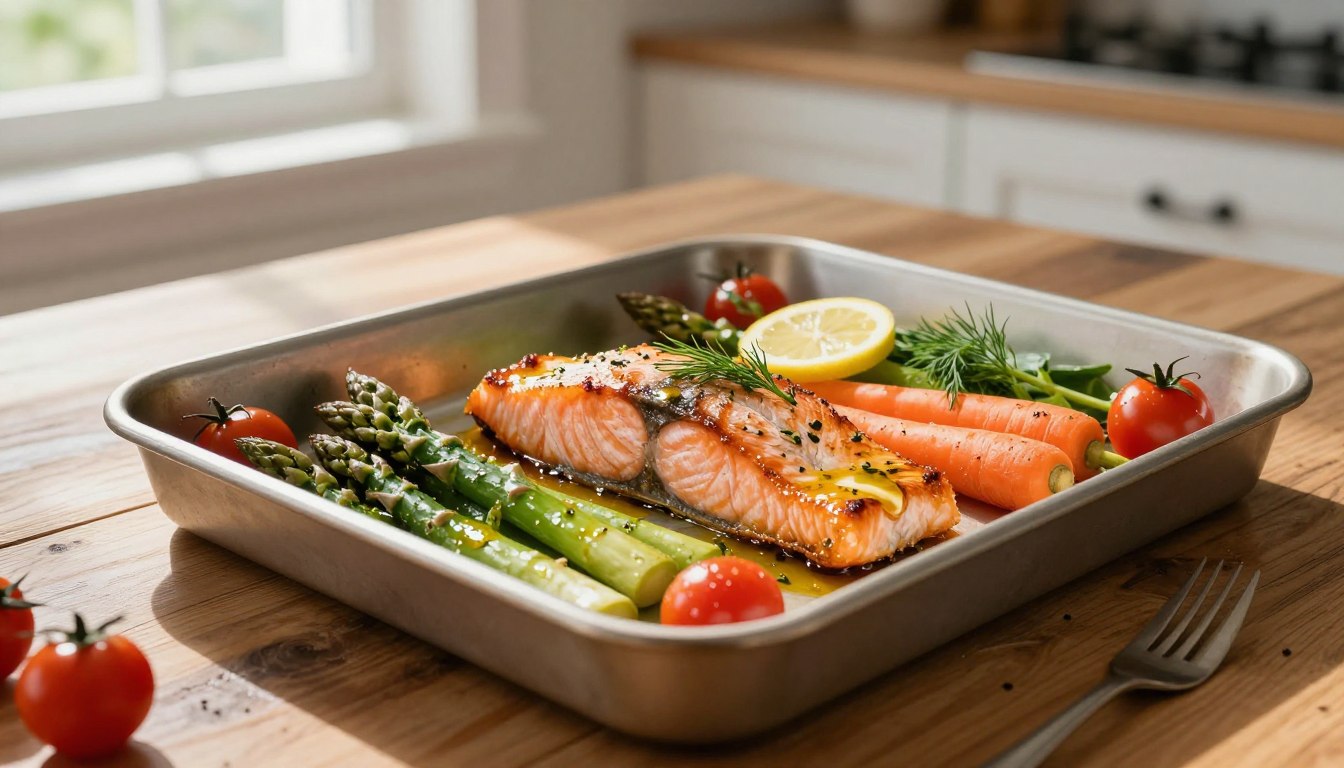
Are you looking for a way to simplify your busy weeknights? Finding a nutritious meal that does not require hours of cleanup is a common challenge for many home cooks. Mastering an easy dinner recipe can transform your kitchen routine and save you valuable time.
This approach focuses on efficiency by combining fresh ingredients onto a single surface. You will love how this method locks in natural flavors while keeping your evening stress-free. It is the perfect solution for anyone seeking a healthy, balanced lifestyle without the hassle of multiple pots and clutter.
By preparing a Sheet Pan Baked Salmon with Vegetables, you ensure a high-quality meal that satisfies everyone at the table. This easy sheet pan salmon recipe is designed to be reliable and delicious, making it a staple in your weekly rotation.
Key Takeaways
- Learn how to cook a complete, healthy meal using only one piece of equipment.
- Discover techniques to minimize kitchen cleanup after your evening meal.
- Master the art of balancing fresh proteins and seasonal produce for maximum flavor.
- Save significant time during busy work weeks with streamlined cooking methods.
- Enjoy a nutritious, restaurant-quality dinner prepared right in your own home.
Why Sheet Pan Baked Salmon with Vegetables is the Ultimate Weeknight Meal
Modern home cooking demands efficiency, and one-pan meals deliver exactly that. When you prepare a Sheet Pan Baked Salmon with Vegetables, you choose a path that minimizes stress while maximizing flavor. This approach has become a favorite for a reliable weeknight dinner that fits perfectly into a fast-paced lifestyle.

The Benefits of One-Pan Cooking
The primary advantage of this method is the drastic reduction in cleanup time. By using a single tray, you avoid the clutter of multiple pots and pans that often pile up in the sink. A healthy sheet pan dinner allows you to focus on enjoying your meal rather than scrubbing dishes for an hour.
Beyond convenience, this one-pan meal ensures that flavors meld together beautifully in the oven. The juices from the fish season the vegetables, creating a cohesive dish that tastes like it took hours to prepare. You gain a sophisticated result with minimal effort.
Time-Saving Strategies for Busy Schedules
Efficiency is the cornerstone of a successful one pan salmon and veggie meal. You can streamline your process by chopping your vegetables while the oven preheats. This multitasking habit ensures that your ingredients are ready to hit the heat the moment the temperature is right.
Consider using pre-cut vegetables or quick-cooking varieties like asparagus and cherry tomatoes to shave off even more time. By organizing your workspace before you begin, you turn a complex task into a simple, repeatable routine. This strategy helps you maintain consistency throughout your busy work week.
Nutritional Value of Salmon and Fresh Produce
Choosing a nutritious sheet pan salmon dish is a smart move for anyone committed to healthy eating. Salmon provides essential omega-3 fatty acids, which support heart health and brain function. When paired with colorful, fiber-rich vegetables, you create a balanced plate that fuels your body effectively.
The synergy between the healthy fats in the fish and the vitamins in the produce creates a complete meal. You get a high-protein, low-carb dinner that keeps you satisfied without feeling sluggish. The following table highlights why this method outperforms traditional frying or boiling.
| Feature | Sheet Pan Baking | Deep Frying | Boiling |
|---|---|---|---|
| Nutrient Retention | High | Low | Moderate |
| Added Fats | Minimal | High | None |
| Cleanup Effort | Very Low | High | Moderate |
| Flavor Depth | Excellent | Good | Low |
Selecting the Best Ingredients for Your Sheet Pan Dinner
Your journey toward a perfect dinner begins with selecting fresh, high-quality components. When you prioritize the quality of your produce and protein, you ensure that your final dish is both flavorful and nutritious. This preparation is the secret to creating an easy sheet pan salmon recipe that tastes like it came from a professional kitchen.

Choosing High-Quality Salmon Fillets
When shopping for your seafood recipe., look for fillets that appear moist and firm to the touch. The flesh should have a vibrant color and a clean, mild scent rather than a strong fishy odor.
If you are buying pre-packaged fish, check the label for sustainable sourcing practices. Choosing high-quality salmon ensures that your meal remains tender and flaky after roasting in the oven.
Selecting Vegetables That Roast Evenly
To achieve the best sheet pan salmon recipe., you must pair your fish with vegetables that have similar cooking times. Harder vegetables like carrots, potatoes, or broccoli florets work beautifully because they hold their shape under high heat.
Try to cut your vegetables into uniform pieces to promote even browning. This simple technique prevents some pieces from burning while others remain raw, ensuring a consistent texture across your entire tray.
Essential Pantry Staples for Seasoning
A simple sheet pan salmon recipe relies on a few reliable pantry staples to bring everything together. High-quality extra virgin olive oil is a must, as it helps the vegetables caramelize and keeps the salmon moist.
Keep your spice rack stocked with dried herbs like oregano, thyme, or rosemary to add depth to your dish. A pinch of sea salt and freshly cracked black pepper will finish your meal perfectly, highlighting the natural flavors of your fresh ingredients.
Preparing Your Salmon and Vegetables for the Oven
Proper preparation is the secret to achieving a professional-quality result in your own home kitchen. When you take the time to organize your workspace, you ensure that your simple sheet pan salmon recipe comes together without any stress. Following these foundational steps will help you master the timing and texture of your meal.
Proper Cleaning and Drying Techniques
Before you begin, rinse your salmon fillets under cold water and pat them completely dry with paper towels. Moisture is the enemy of a good sear. If the fish remains wet, it will steam in the oven rather than developing a delicious, crispy skin.
Do not skip this step, as dry skin is essential for that perfect texture. Ensure your vegetables are also washed and patted dry to prevent excess water from pooling on the pan.
Uniform Cutting for Consistent Cooking
To create a quick baked salmon with veggies, you must cut your produce into uniform sizes. When your broccoli florets or potato chunks are roughly the same size, they will reach the perfect level of tenderness at the same time.
Aim for pieces that are about one inch in size for the best results. This consistency prevents smaller pieces from burning while larger chunks remain raw in the center.
Marinating and Seasoning for Maximum Flavor
Effective marinating techniques infuse your ingredients with deep, complex flavors before they ever hit the oven. A simple and flavorful marinade can be as easy as mixing olive oil, fresh lemon juice, minced garlic, and your favorite dried herbs.
Allow your salmon and vegetables to sit in the seasoning for at least fifteen minutes. This short rest period ensures the flavors penetrate the surface of the food, resulting in a much more vibrant final dish.
| Ingredient | Prep Method | Seasoning Tip |
|---|---|---|
| Salmon Fillets | Pat dry thoroughly | Rub with olive oil |
| Root Vegetables | Cut into 1-inch cubes | Toss with sea salt |
| Green Vegetables | Trim and dry well | Add garlic powder |
| Citrus Slices | Thinly slice | Place on top of fish |
Mastering the Sheet Pan Baked Salmon with Vegetables Technique
Mastering the art of the one pan salmon and veggie meal is simpler than you might think. By focusing on a few technical details, you ensure your fish remains moist and flaky while your vegetables achieve a perfect golden-brown char.
Setting the Ideal Oven Temperature
To achieve professional results, you must set your oven to the correct temperature range. We recommend a setting between 400°F and 425°F for the best oven-roasted salmon results. This high heat allows for rapid cooking, which locks in moisture while creating a delicious, caramelized exterior on your oven baked salmon with mixed vegetables.
Arranging Ingredients to Prevent Overcrowding
Proper spacing is a critical factor in the success of your one-pan meal. If you crowd the pan, the ingredients will steam rather than roast, leading to soggy textures. You should spread your items in a single layer with enough space between them to allow for adequate airflow and even heat distribution.
Managing Different Cooking Times for Veggies and Fish
Vegetables often require more time to soften than delicate fish fillets. To master this quick baked salmon with veggies, consider starting your harder vegetables like carrots or potatoes in the oven for ten minutes before adding the salmon. This simple timing adjustment ensures that every component of your dish finishes at the exact same moment, providing a perfectly cooked dinner every time.
Flavor Profiles and Seasoning Variations
Customizing your evening meal allows you to enjoy variety without sacrificing the convenience of one-pan cooking. By rotating your seasonings, you ensure that your delicious sheet pan salmon and vegetables never feels repetitive or boring. Whether you prefer bright citrus notes or bold, spicy heat, there is a perfect combination waiting for your next dinner.
Classic Lemon, Garlic, and Herb Combinations
For a timeless and refreshing approach, rely on the power of fresh aromatics. Lemon slices, minced garlic, and woody herbs like rosemary or thyme create a clean profile that highlights the natural richness of the fish. This method is incredibly simple and flavorful, making it a staple for busy weeknights.
“The secret to a great meal often lies in the quality of your aromatics; fresh garlic and lemon can transform even the simplest ingredients into something extraordinary.”
Adding a Spicy Kick with Chili and Lime
If you crave something more adventurous, try a zesty glaze that packs a punch. Whisk together chili powder, a touch of honey, and fresh lime juice to create a quick and delicious coating for your salmon. This combination works beautifully with roasted bell peppers and red onions, adding a vibrant heat that wakes up your taste buds.
- Use smoked paprika for a deeper, earthier heat.
- Add a dash of cayenne pepper if you prefer extra spice.
- Finish with fresh cilantro for a bright, herbal contrast.
Mediterranean-Inspired Flavors with Olives and Feta
Transport your kitchen to the coast by incorporating bold, briny ingredients. Topping your salmon with sliced Kalamata olives and crumbled feta cheese adds a savory depth that pairs perfectly with roasted cherry tomatoes and zucchini. The cheese softens slightly in the oven, creating a creamy texture that balances the saltiness of the olives.
This approach is perfect for those who enjoy robust, complex flavors without needing a long list of ingredients. Simply toss your vegetables in olive oil and oregano before roasting to complete the Mediterranean theme.
Essential Kitchen Tools for Success
Investing in high-quality kitchen essentials makes every step of your cooking process smoother. When you prepare the best sheet pan salmon recipe, having the right equipment prevents frustration and ensures consistent results. A well-equipped kitchen allows you to focus on flavor rather than struggling with poor-quality pans or dull knives.
Choosing the Right Sheet Pan Size and Material
For most home cooks, a heavy-gauge aluminum half-sheet pan is the gold standard. These pans offer superior heat conductivity, which helps your vegetables roast evenly without burning. Unlike thinner pans that warp under high heat, heavy-gauge options remain flat and durable for years of regular use.
Always ensure your pan is large enough to hold your ingredients without crowding. Proper spacing allows hot air to circulate, which is vital for achieving that perfect golden-brown finish on your favorite seafood recipe.
| Material | Heat Conductivity | Durability | Best Use |
|---|---|---|---|
| Heavy Aluminum | Excellent | High | Roasting Veggies |
| Stainless Steel | Moderate | Very High | General Baking |
| Non-Stick Coated | Low | Low | Delicate Items |
Using Parchment Paper or Silicone Mats
Lining your pan is a simple trick that saves significant time during cleanup. Parchment paper provides a non-stick surface that prevents delicate fish from tearing when you remove it from the pan. Alternatively, reusable silicone mats offer an eco-friendly solution that grips the pan securely.
Both options act as a barrier between your food and the metal surface. This prevents stubborn residue from baking onto the pan, making your post-dinner cleanup virtually effortless.
Must-Have Utensils for Prep and Serving
Efficiency in the kitchen starts with a sharp chef’s knife and a sturdy cutting board. Having these tools ready allows you to chop your vegetables into uniform pieces quickly. Consistent sizing ensures that every component finishes cooking at the same time.
Finally, keep a pair of long-handled tongs and a wide spatula nearby. Tongs help you arrange ingredients safely, while a wide spatula is essential for lifting your salmon fillets without breaking them. These simple tools turn a complex task into a seamless and enjoyable culinary experience.
Common Mistakes to Avoid When Baking Salmon
Mastering the art of the sheet pan dinner means learning how to sidestep frequent cooking errors. Even the most experienced home cooks occasionally face challenges when preparing oven baked salmon with mixed vegetables on a single tray. By identifying these common issues early, you can troubleshoot your process and ensure a delicious result every time.
Preventing Dry or Overcooked Fish
The most common mistake when preparing oven-roasted salmon is leaving the fish in the heat for too long. Salmon is a delicate protein that can quickly lose its moisture if the internal temperature exceeds 145°F. You should use a meat thermometer to check for doneness rather than relying solely on the clock.
To keep your fillets tender and succulent, consider these tips:
- Remove the salmon from the oven when it reaches an internal temperature of 135°F, as it will continue to cook slightly while resting.
- Avoid cutting into the fish to check for doneness, as this releases essential juices.
- Use a light glaze or a drizzle of olive oil to create a protective barrier against the dry heat.
Avoiding Soggy Vegetables
Nobody enjoys mushy produce, yet many people struggle with moisture control during the roasting process. If your vegetables turn out soft instead of crisp, you are likely overcrowding the pan. When vegetables are packed too tightly, they steam in their own juices rather than roasting properly.
You can achieve a perfect texture by following these simple rules:
- Ensure your vegetables are cut into uniform pieces so they cook at the same rate.
- Pat your vegetables dry with a paper towel before tossing them in oil and seasonings.
- Spread the ingredients out in a single layer to allow the heat to circulate around each piece.
Ensuring Proper Airflow in the Oven
Proper airflow is the secret to a successful oven baked salmon with mixed vegetables dinner. If your sheet pan is too large for your oven, it can block the circulation of hot air, leading to uneven cooking. Always leave at least an inch of space between the edge of your pan and the oven walls.
Furthermore, avoid using a pan with extremely high sides, as this can trap steam and prevent the browning process. A standard rimmed baking sheet is usually the best choice for oven-roasted salmon because it allows for even heat distribution. By managing your space and equipment, you guarantee that every component of your meal reaches the perfect level of doneness.
Creative Ways to Serve Your One-Pan Salmon Meal
Transforming your delicious sheet pan salmon and vegetables into a gourmet experience is easier than you think. While the oven does the heavy lifting, your final presentation turns a standard meal into a memorable dining event. Taking a few extra moments to plate your food properly makes every bite feel special.
Pairing with Grains and Healthy Sides
To create a more substantial and satisfying weeknight dinner, consider serving your fish over a bed of hearty grains. Nutty quinoa or chewy farro provide a wonderful texture that complements the tender salmon perfectly. These grains soak up the flavorful juices from the pan, ensuring that no drop of seasoning goes to waste.
If you prefer a lighter approach, a crisp side salad with a bright vinaigrette works wonders. The acidity of the dressing cuts through the richness of the fish, creating a perfectly balanced plate. You might also try roasted sweet potatoes or steamed asparagus for added color and nutrients.
Transforming Leftovers into Lunch Bowls
Do not let your leftovers go to waste after your quick and delicious meal. You can easily repurpose the salmon and veggies into vibrant lunch bowls for the following day. Simply layer the ingredients over a base of fresh greens or cold pasta for a refreshing change of pace.
Adding a dollop of Greek yogurt or a splash of tahini dressing can revitalize the flavors. This strategy ensures you have a healthy, pre-made lunch ready to go, saving you time during your busy work week. It is a smart way to extend the value of your cooking efforts.
Adding Garnishes for a Restaurant-Quality Finish
You can turn any easy dinner recipe into a stunning feast with just a few creative touches. A simple sprinkle of fresh herbs like dill, parsley, or cilantro adds a pop of color and a burst of brightness. These small additions elevate the visual appeal of your dish significantly.
For a final touch, try a light drizzle of high-quality extra virgin olive oil or a squeeze of fresh lemon juice. This adds a luxurious sheen and enhances the natural flavors of the roasted produce. With these simple techniques, your home-cooked meal will look like it came straight from a professional kitchen.
Adapting the Recipe for Dietary Preferences
Achieving a nutritious sheet pan salmon dish is possible regardless of your personal dietary restrictions. The beauty of this cooking method lies in its inherent flexibility, allowing you to swap components to suit your specific wellness goals. By understanding how to modify your ingredients, you can enjoy a healthy sheet pan dinner that feels tailor-made for your lifestyle.
Low-Carb and Keto-Friendly Adjustments
If you are following a low-carb or ketogenic lifestyle, focus on pairing your salmon with non-starchy vegetables. Excellent choices include broccoli florets, asparagus spears, or zucchini slices, which roast beautifully alongside the fish. Replacing starchy potatoes with these options keeps your meal light while maintaining a high intake of healthy fats.
You can enhance the fat content by drizzling extra virgin olive oil or melted grass-fed butter over your vegetables before roasting. Adding a sprinkle of toasted seeds or nuts provides a satisfying crunch without adding unnecessary carbohydrates. This approach ensures your healthy sheet pan dinner remains both delicious and compliant with your nutritional targets.
Gluten-Free and Dairy-Free Modifications
Adapting this meal for gluten-free or dairy-free needs is remarkably straightforward. Most seasonings, such as fresh herbs, lemon juice, and garlic, are naturally free of these allergens. Always verify that your spice blends are certified gluten-free to avoid hidden additives.
For a creamy texture without dairy, consider using a dollop of coconut cream or a drizzle of tahini after the salmon finishes cooking. These alternatives provide a rich mouthfeel that complements the delicate flavor of the fish. You will find that prioritizing whole, unprocessed ingredients makes it easy to maintain your commitment to healthy eating.
Incorporating Seasonal Vegetables Throughout the Year
Keeping your meals exciting is simple when you rotate your produce based on the current season. During the spring, try adding tender snap peas or radishes to your pan for a fresh, crisp bite. Summer offers vibrant bell peppers and cherry tomatoes that burst with flavor under the heat of the oven.
As the weather cools, transition to hearty root vegetables like parsnips or Brussels sprouts to create a nutritious sheet pan salmon dish that feels comforting. Embracing seasonal variety is a cornerstone of healthy eating, as it ensures you receive a wide spectrum of vitamins and minerals. By staying flexible with your produce choices, you ensure that your kitchen routine remains both sustainable and enjoyable.
Conclusion
Transforming your evening meal into a stress-free experience starts with the right approach to one-pan cooking. You now possess the knowledge to balance fresh ingredients with efficient heat management for consistent results.
Your journey toward better home cooking relies on consistent practice and a willingness to try new flavor profiles. Keep your pantry stocked with quality olive oil and sea salt to ensure every dish tastes vibrant. You can rely on these methods to provide a nutritious dinner even on your busiest days.
Share your favorite vegetable combinations with friends or family to inspire their own culinary habits. Your ability to adapt these techniques makes you a more versatile cook in your own home. Start your next sheet pan salmon dinner tonight and enjoy the rewards of a simple, healthy lifestyle.
FAQ
Why is an easy sheet pan salmon recipe considered the ultimate easy dinner recipe for modern lifestyles?
This one-pan meal is highly effective because it streamlines your weeknight dinner routine by minimizing cleanup and preparation. By utilizing a single high-quality tray, such as a Nordic Ware baking sheet, you can create a quick and delicious meal that supports your healthy eating goals without spending hours in the kitchen.
How do you ensure your oven baked salmon with mixed vegetables cooks evenly every time?
To master this nutritious sheet pan salmon dish, you must cut your vegetables into uniform sizes so they reach the perfect tenderness at the same time as the fish. Choosing delicious sheet pan salmon and vegetables that share similar roasting profiles, such as asparagus or bell peppers, ensures that your seafood recipe remains balanced and flavorful.
What is the best oven temperature for achieving a perfect oven-roasted salmon texture?
For the best sheet pan salmon recipe results, you should set your oven between 400°F and 425°F. This temperature range allows for quick baked salmon with veggies to develop a slight char on the produce while keeping the salmon fillets moist and flaky. Using a ThermoWorks digital thermometer can help you verify the internal temperature for a professional finish.
Can this sheet pan baked salmon with vegetables be adapted for specific dietary preferences?
Absolutely. This simple sheet pan salmon recipe is incredibly versatile and can be easily modified for low-carb, keto-friendly, or gluten-free diets. By swapping starchy sides for fibrous greens and using Bertolli extra virgin olive oil, you create a healthy sheet pan dinner that aligns with your specific nutritional requirements.
How can you prevent the fish from sticking during a one pan salmon and veggie meal?
To ensure a simple and flavorful experience with easy cleanup, always line your pan with Reynolds Kitchens parchment paper or a Silpat silicone mat. This step is essential for a successful seafood recipe, as it prevents the delicate skin of the oven-roasted salmon from tearing when you are ready to serve.
What are some simple ways to elevate the flavor of a nutritious sheet pan salmon dish?
You can transform a basic meal into a restaurant-quality experience by using fresh garnishes. Adding Sunkist lemon slices, fresh dill, or a sprinkle of Morton sea salt to your delicious sheet pan salmon and vegetables provides a bright, clean flavor profile that enhances the natural richness of the fish.