
How to Make Southern Fried Chicken Perfect Every Time
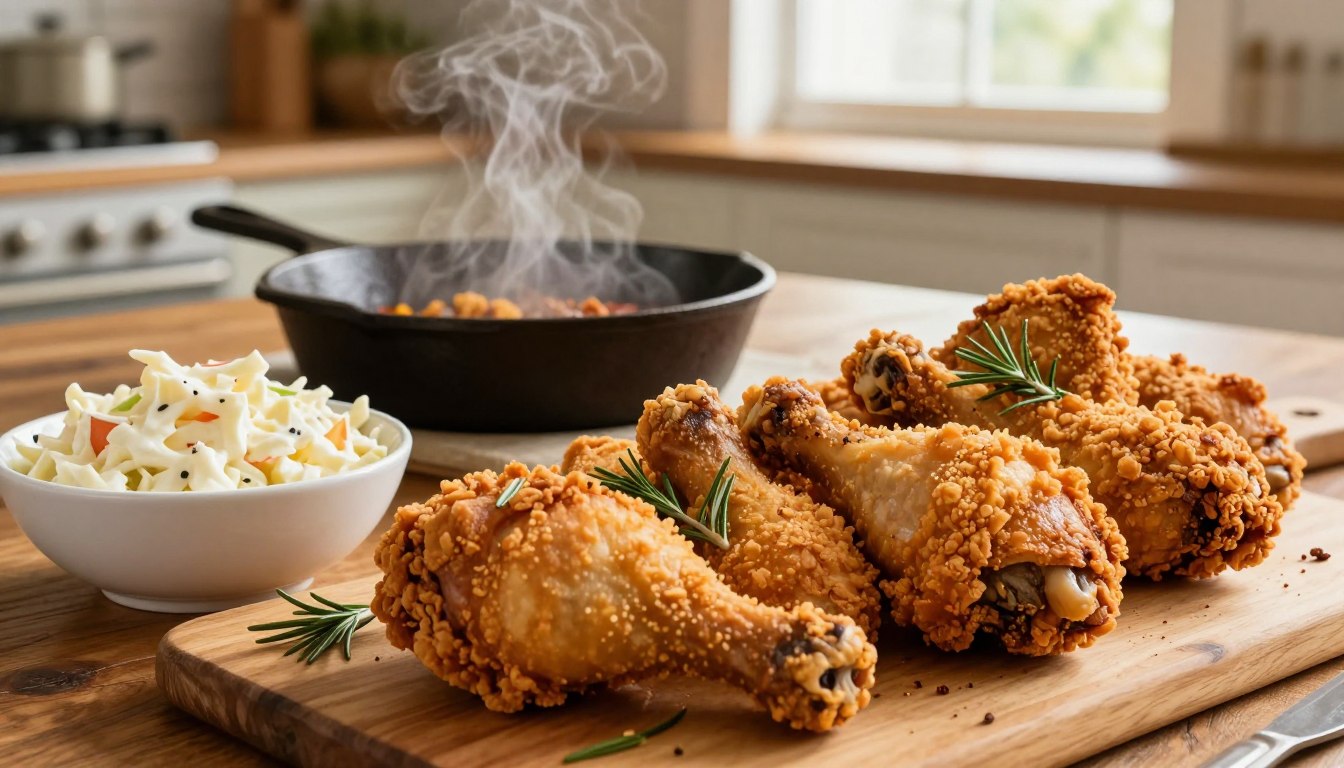
Mastering the art of Southern Fried Chicken is a true rite of passage for any home cook. While many people search for complex fried chicken recipes, the secret to success often lies in simple patience and proper technique. You do not need a professional kitchen to achieve that iconic, golden-brown crunch that everyone craves.
Creating homemade fried chicken that rivals your favorite restaurant requires attention to detail. By focusing on temperature control and the right breading method, you can transform basic pantry staples into a delicious meal. This guide will walk you through the essential steps to ensure your results are consistently crispy, juicy, and flavorful every single time you cook.
Key Takeaways
- Patience is the most important ingredient for achieving a perfect crust.
- Maintaining consistent oil temperature prevents the coating from becoming greasy.
- Proper seasoning of the flour dredge adds depth to every bite.
- Resting the meat after cooking ensures the juices stay locked inside.
- Using high-quality ingredients elevates the final flavor profile significantly.
Selecting the Best Ingredients for Authentic Southern Fried Chicken
Your journey toward mastering Southern Fried Chicken begins with the quality of your raw ingredients. When you start with superior components, you set the stage for a meal that stands out in both texture and taste. Every choice you make at the market directly impacts the final result on your dinner plate.

Choosing the Right Cut of Poultry
To achieve the best fried chicken, you must select bone-in, skin-on pieces. The bone helps conduct heat to the center of the meat, while the skin acts as a protective barrier that keeps the juices locked inside. This combination ensures that your chicken remains succulent even after a long fry.
Avoid using boneless, skinless breasts if you want an authentic experience. These cuts often dry out quickly under high heat, leading to a stringy texture. Stick to thighs, drumsticks, and wings for the most flavorful results.
The Importance of High-Quality Buttermilk
The secret to tender buttermilk fried chicken lies in the science of the marinade. Buttermilk contains natural enzymes and lactic acid that gently break down tough muscle fibers. This process transforms the meat, making it incredibly tender before it ever touches the hot oil.
Always choose full-fat buttermilk if possible. The extra richness adds a subtle tang that balances the savory notes of your spice blend. A soak of at least four hours is recommended to allow these chemical changes to take full effect.
Selecting the Best Frying Oil for High Smoke Points
Selecting the right oil is critical for a clean, crisp finish. You need an oil with a high smoke point to prevent the fat from breaking down and creating an acrid, burnt taste. Neutral oils allow the flavor of your seasoned crust to shine without interference.
| Oil Type | Smoke Point | Flavor Profile |
|---|---|---|
| Peanut Oil | 450°F | Neutral/Nutty |
| Canola Oil | 400°F | Neutral |
| Vegetable Oil | 400°F | Neutral |
| Extra Virgin Olive Oil | 325°F | Strong/Fruity |
Preparing Your Chicken for Maximum Flavor and Tenderness
The foundation of truly delicious homemade fried chicken lies in how you treat the meat before it ever touches the heat. Proper preparation ensures that every bite is juicy, flavorful, and perfectly cooked. By following these foundational steps, you elevate your cooking from simple to professional.

The Science Behind the Buttermilk Brine
Using a buttermilk soak is the secret weapon for authentic buttermilk fried chicken. The natural acidity in the buttermilk works to gently break down the tough muscle fibers in the poultry. This process results in a significantly more tender final product that stays moist during the frying process.
Beyond tenderness, the brine acts as a flavor carrier. It helps the subsequent coating adhere to the skin, ensuring you get that signature crunch in every bite. For the best results, allow your chicken to soak for at least four hours, though overnight is ideal.
Seasoning the Meat Before the Dredge
Many home cooks make the mistake of only seasoning their flour mixture. To achieve the deep, savory flavor characteristic of true comfort food, you must season the meat directly before the dredging process. This ensures that the salt and spices penetrate deep into the muscle tissue.
Use a simple blend of kosher salt, black pepper, and garlic powder. Rub this mixture thoroughly over the surface of the chicken. This creates a flavor profile that exists both inside and outside the crispy crust.
Managing Temperature for Even Cooking
One of the most critical steps is bringing your chicken to room temperature before frying. If the meat is ice-cold when it hits the hot oil, the exterior will burn before the center is fully cooked. Taking the chicken out of the refrigerator thirty minutes prior to cooking prevents this common issue.
The following table outlines how different preparation methods impact the final quality of your meal:
| Preparation Step | Primary Benefit | Impact on Quality |
|---|---|---|
| Buttermilk Brine | Protein Breakdown | High Tenderness |
| Direct Seasoning | Flavor Depth | Enhanced Taste |
| Room Temperature | Even Heat Distribution | Perfectly Cooked Center |
Mastering the Dredging Technique for Crispy Fried Chicken
The secret to professional-grade fried chicken recipes lies entirely in your dredging technique. Achieving that signature, golden-brown crunch requires more than just tossing meat in flour. You must build a structured, flavorful exterior that stands up to the heat of the oil.
Creating the Perfect Flour and Spice Blend
Your flour mixture serves as the foundation for your crispy fried chicken. Start with high-quality all-purpose flour and incorporate a balanced blend of salt, black pepper, garlic powder, and paprika. Consistency is key when mixing these dry ingredients to ensure every bite is seasoned perfectly.
For an extra layer of complexity, consider adding a touch of cornstarch or baking powder to your flour. These additions help create a lighter, more delicate crust that stays crunchy even after the chicken cools. Always whisk your spices thoroughly into the flour to avoid pockets of concentrated seasoning.
The Double-Dredge Method for Extra Crunch
To achieve a substantial, textured exterior, you should utilize the double-dredge method. First, coat your seasoned chicken in the flour mixture, shaking off any excess. Next, dip the piece into a liquid binder, such as buttermilk or a beaten egg wash, before returning it to the flour for a final coating.
This process creates a thick, craggy crust that traps moisture inside the meat. By repeating these steps, you build layers that provide that satisfying snap when you take your first bite. It is a simple technique that elevates standard fried chicken recipes into something truly special.
Ensuring Proper Adhesion of the Coating
One of the most common frustrations is the coating sliding off during the frying process. To prevent this, ensure your chicken is patted dry before the initial dredge. This allows the flour to bond directly to the surface of the skin rather than slipping on a layer of surface moisture.
After you finish the final dredge, let the chicken rest on a wire rack for about ten minutes. This short waiting period helps the coating hydrate and set, ensuring it stays firmly attached to the meat. When you finally lower the pieces into the hot oil, you will have a perfectly coated, crispy fried chicken that maintains its integrity from start to finish.
Executing the Perfect Fry
Transforming raw, seasoned poultry into the best fried chicken depends entirely on your technique at the stove. This stage is the most critical part of the process, as it determines both the safety and the final texture of your meal. By following a few simple rules, you can ensure a professional result every time.
Maintaining Consistent Oil Temperature
The temperature of your oil is the primary factor in preventing a greasy crust. If the oil is too cool, the breading will absorb the fat rather than crisping up. Conversely, oil that is too hot will burn the exterior before the meat is cooked through.
Use a high-quality digital thermometer to monitor your oil throughout the entire cooking cycle. Aim to keep the temperature steady, usually between 325°F and 350°F, depending on your specific recipe. Consistency is your best friend when you want that signature crunch.
Avoiding Overcrowding the Dutch Oven or Fryer
It is tempting to cook as much chicken as possible at once, but overcrowding is a common mistake. When you add too many pieces to your Dutch oven, the oil temperature drops rapidly. This leads to a soggy coating that lacks the desired golden color.
Always cook in small batches to keep the oil heat stable. This approach ensures that each piece of chicken fries evenly and develops a beautiful, crispy exterior. You will find that this method is much more effective for high-quality results.
Monitoring Internal Temperature for Safety and Juiciness
Safety is paramount when preparing poultry at home. You must ensure that the thickest part of the meat reaches an internal temperature of 165°F. Using a probe thermometer allows you to verify this without guessing.
When you pull the chicken at the right moment, you guarantee that it remains succulent and juicy. This level of precision is essential for anyone interested in fried chicken meal prep, as it keeps the meat tender even after reheating. Follow these quick tips for success:
- Always use a heavy-bottomed pot to retain heat.
- Keep a splatter screen nearby to maintain a clean workspace.
- Let the oil return to the target temperature between every batch.
- Place finished pieces on a wire rack to prevent the bottom from steaming.
Common Mistakes to Avoid in Southern Cooking
Even the most seasoned home cooks can run into unexpected hurdles when preparing classic comfort food. While Southern cooking is deeply rooted in tradition, it requires precision to achieve consistent results. By identifying these common pitfalls early, you can refine your technique and elevate your kitchen skills.
Preventing Soggy Crusts
One of the most frustrating outcomes is a crust that loses its crunch shortly after leaving the oil. Many people make the mistake of placing their crispy fried chicken directly onto paper towels to drain. This traps steam underneath the meat, which quickly softens the breading.
To maintain that signature texture, you should always use a wire cooling rack set over a baking sheet. This simple change allows air to circulate freely around the entire piece of chicken. Proper airflow is the secret to keeping your crust light and crunchy until the very last bite.
Troubleshooting Burnt Coating and Raw Centers
If you find that your coating is dark brown while the inside remains undercooked, your oil temperature is likely too high. High heat sears the exterior before the heat can penetrate the thickest parts of the meat. It is essential to monitor your oil with a reliable thermometer throughout the entire process.
Conversely, if the oil is too cool, the breading will absorb excess fat and become greasy. Aim for a steady temperature, usually between 325°F and 350°F, to ensure even cooking. If you are struggling with these issues, consider these quick fixes:
- Use a heavy-bottomed Dutch oven to maintain thermal stability.
- Avoid overcrowding the pot, which causes the oil temperature to drop rapidly.
- Use a meat thermometer to verify that the internal temperature reaches 165°F.
Proper Resting Techniques for Best Fried Chicken
Patience is a virtue when you are making Southern Fried Chicken. Many cooks are tempted to serve the meal immediately, but resting is a vital step for quality. Allowing the meat to sit for at least five to ten minutes helps the juices redistribute throughout the muscle fibers.
This resting period also ensures that the coating sets firmly against the meat. By following these steps, you will consistently produce crispy fried chicken that rivals your favorite local restaurant. Mastering these small details is what truly defines excellent southern cooking in your own home.
Conclusion
Achieving restaurant-quality results at home requires patience and attention to detail. You now possess the knowledge to transform simple ingredients into a golden, crunchy masterpiece.
True southern cooking relies on your ability to balance heat and timing. Each step from the initial brine to the final rest builds layers of flavor that define this iconic dish.
You can elevate your weekly fried chicken meal prep by applying these professional techniques. Preparing batches in advance ensures you have a reliable supply of high-quality protein ready for busy days.
This classic comfort food brings people together around the dinner table. Your dedication to the process guarantees a meal that satisfies every craving for something savory and crisp.
Experiment with your favorite spice blends to make the recipe your own. Share your results with friends and family to spread the joy of home-cooked meals.
## FAQ
Q: Why is buttermilk considered a staple in traditional southern fried chicken recipes?
A: Using high-quality buttermilk, such as brands like Borden or Marburger, is essential for authentic southern cooking. The lactic acid in the buttermilk works to gently break down the protein fibers, ensuring your buttermilk fried chicken remains incredibly tender and juicy on the inside while providing a tangy base that helps your flour coating adhere better.
Q: What is the best oil to use for achieving the best fried chicken?
A: To achieve professional results, you should select oils with high smoke points to prevent the chicken from taking on a burnt flavor. Planters Peanut Oil is a favorite among southern chefs for its clean taste and heat stability, though Mazola Canola Oil is also an excellent, neutral-flavored choice for making homemade fried chicken.
Q: How can I ensure my crispy fried chicken stays crunchy and doesn’t get soggy?
A: The secret to maintaining a crispy fried chicken texture lies in how you cool it. Instead of placing your hot chicken on paper towels—which traps steam and softens the breading—you should rest your chicken on a stainless steel wire rack over a baking sheet. This allows air to circulate around the entire piece, keeping the crust brittle and delicious.
Q: What is the double-dredge method and why should I use it?
A: The double-dredge method involves dipping your seasoned chicken in the buttermilk, coating it in your flour blend, and then repeating the process a second time. This technique is a cornerstone of fried chicken recipes because it builds a thicker, more textured exterior that delivers that iconic “shatter-crunch” associated with the very best fried chicken.
Q: How do I prevent the outside from burning while the inside remains raw?
A: This common issue is usually caused by oil that is too hot or chicken that is too cold. You should bring your poultry to room temperature before frying and use a heavy vessel like a Lodge Cast Iron Dutch Oven to maintain a steady oil temperature between 325°F and 350°F. Always use a digital thermometer, such as a Thermapen, to verify the internal temperature reaches a safe 165°F.
Q: Can I include southern fried chicken in my weekly fried chicken meal prep?
A: Absolutely. When planning your fried chicken meal prep, you can fry a large batch and store it in the refrigerator. To restore the original comfort food texture, reheat the pieces in an oven or air fryer at 375°F rather than using a microwave, which will help re-crisp the skin without overcooking the meat.
Q: Does the choice of chicken cut really matter for southern fried chicken?
A: Yes, for the most flavorful results, you should always choose bone-in, skin-on cuts. The bone acts as a conductor of heat while preserving moisture, and the skin provides the necessary fat and surface area to hold onto your seasoned flour, resulting in the ultimate homemade fried chicken experience.