
Quick Chicken Stir Fry Recipe for Busy Weeknight Dinners
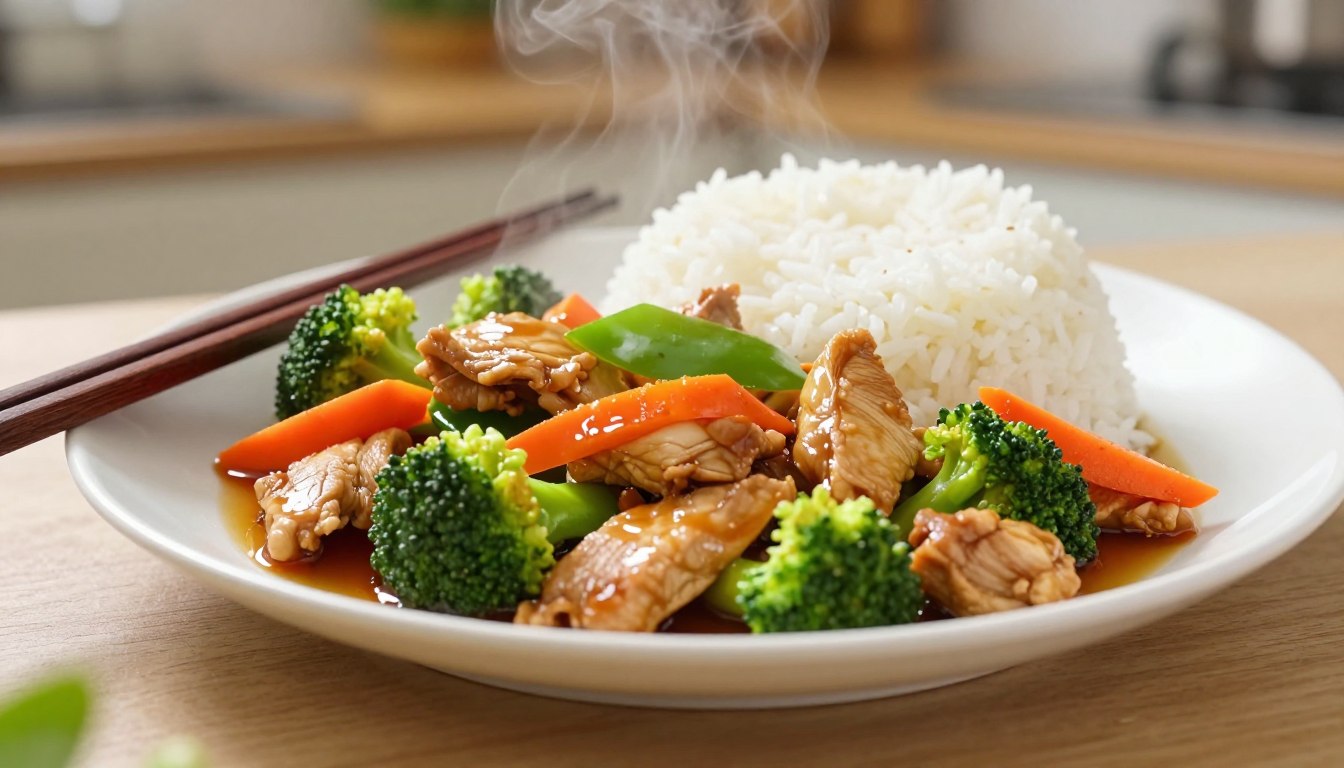
Are you struggling to put a healthy meal on the table after a long day? Mastering a Chicken Stir Fry Recipe can change your entire evening routine. You do not need hours in the kitchen to provide a nutritious meal for your family.
This quick stir fry method focuses on high-impact techniques that save you time without sacrificing taste. By balancing fresh vegetables and bold seasonings, you create a delicious chicken stir fry recipe that satisfies everyone at the table. You will learn how to prep efficiently and cook with confidence.
Implementing these professional culinary methods ensures your quick chicken stir fry is always a success. Get ready to transform your home cooking with these simple, effective steps designed for your busy lifestyle.
Key Takeaways
- Learn to prepare a complete dinner in under 20 minutes.
- Discover how to balance fresh ingredients for maximum flavor.
- Master professional techniques to improve your cooking efficiency.
- Find ways to satisfy your family with healthy, homemade meals.
- Simplify your weeknight routine with high-impact culinary methods.
Why This Chicken Stir Fry Recipe is Perfect for Busy Nights
Mastering an easy chicken stir fry is the ultimate secret to reclaiming your weeknight evenings. When your schedule is packed, you need a reliable method that delivers flavor without requiring hours in the kitchen. This Chicken Stir Fry Recipe is designed specifically for those moments when you want a wholesome meal in record time.
The beauty of this cooking method lies in its incredible efficiency. By using high-heat, you sear your ingredients quickly, which helps to lock in essential nutrients and vibrant colors. This quick chicken stir fry approach ensures that your vegetables remain crisp and your protein stays tender, providing a texture that is far superior to soggy takeout containers.

Choosing to cook at home allows you to control exactly what goes into your body. An easy stir fry recipe is not just about speed; it is about creating a balanced meal that fuels your busy lifestyle. You can easily swap ingredients based on what is currently in your refrigerator, making it a truly simple chicken stir fry for any night of the week.
To help you understand why this method outperforms common alternatives, consider the following comparison of meal options:
| Feature | Homemade Stir Fry | Fast Food Takeout |
|---|---|---|
| Preparation Time | 15-20 Minutes | 30-60 Minutes |
| Nutrient Density | High (Fresh Veggies) | Low (Processed) |
| Sodium Levels | Controlled by You | Very High |
| Cost Per Serving | Budget-Friendly | Expensive |
By planning your weekly menu around this versatile dish, you eliminate the stress of deciding what to eat after a long day. You will find that having a go-to meal in your repertoire makes your evenings much more manageable and enjoyable. Start tonight and experience the difference that fresh, home-cooked food makes for your health and your schedule.
Essential Ingredients for Your Homemade Stir Fry
Every great asian stir fry begins with selecting fresh, high-quality ingredients that work in harmony. When you understand how to balance textures and flavors, you transform a simple meal into a culinary success. Preparing your components before you turn on the heat is the secret to a stress-free cooking experience.

Selecting the Best Cuts of Chicken
For the best chicken stir fry recipe, you should choose cuts that remain tender under high heat. Boneless, skinless chicken thighs are often preferred because they stay juicy and flavorful during the quick cooking process. If you prefer a leaner option, chicken breast works well, provided you slice it thinly against the grain.
Consistency is key when preparing your protein. Aim for uniform, bite-sized strips so that every piece cooks at the same rate. This simple step ensures that your chicken remains succulent rather than dry or rubbery.
Choosing Fresh Vegetables for Texture and Color
A vibrant vegetable stir fry relies on a mix of textures to keep every bite interesting. You want to combine crunchy elements like snap peas or broccoli with softer vegetables like bell peppers or mushrooms. This contrast creates a satisfying mouthfeel that defines a professional-grade dish.
Always wash and dry your vegetables thoroughly before chopping them. Excess moisture can cause your ingredients to steam rather than sear, which prevents that signature crisp-tender finish. Keep your vegetable pieces roughly the same size as your chicken to ensure even cooking throughout the pan.
Building the Perfect Stir Fry Sauce
The foundation of a delicious homemade stir fry lies in a well-balanced sauce. You need to harmonize salty, sweet, and umami notes to create a depth of flavor that coats your ingredients perfectly. A classic base typically includes soy sauce, a touch of sweetener like honey or brown sugar, and aromatic additions like ginger and garlic.
“The secret to a great stir fry is not just the heat, but the balance of the sauce that ties the fresh ingredients together.”
You can easily customize this easy stir fry recipe by adjusting the ratios to suit your personal taste. Use the following table to understand how different components contribute to your final dish:
| Component | Primary Role | Common Examples |
|---|---|---|
| Salty Base | Provides savory depth | Soy sauce, Tamari |
| Sweetener | Balances the salt | Honey, Brown sugar |
| Aromatics | Adds fragrance | Fresh ginger, Garlic |
| Thickener | Creates a glossy coat | Cornstarch slurry |
Step-by-Step Guide to Preparing Your Quick Chicken Stir Fry
Mastering the art of a quick stir fry begins long before you turn on the stove. By organizing your workspace, you ensure that the cooking process remains smooth and stress-free. This preparation is the foundation of a successful homemade stir fry.
Preparing Your Ingredients for High-Heat Cooking
Proper Knife Skills for Uniform Cooking
Uniformity is the secret to professional results. You should slice your chicken and vegetables into consistent, bite-sized pieces so they cook at the same rate. This simple habit prevents some pieces from burning while others remain raw in your chicken and vegetable stir fry.
Mixing the Sauce Components
Before you start the heat, whisk your sauce ingredients together in a small bowl. Having your sauce ready to pour allows you to maintain the high temperature required for a perfect sear. This step is essential for an easy chicken stir fry that tastes like it came from a professional kitchen.
Mastering the Stir Fry Technique
Heating Your Wok or Skillet
A hot pan is vital for achieving the signature flavor of a homemade stir fry. Place your wok or skillet over medium-high heat until it is smoking slightly. Adding oil at this stage ensures your ingredients sear immediately rather than steaming.
Cooking the Chicken to Perfection
Add your chicken in a single layer to the hot pan. Avoid moving the meat for the first minute to allow a golden crust to form. Once browned, remove the chicken to keep it tender while you cook the vegetables.
Adding Vegetables in the Correct Order
Vegetables have different cooking times, so add them based on their density. Start with harder vegetables like carrots or broccoli, followed by softer ones like bell peppers or snap peas. This method ensures every ingredient in your quick stir fry retains a crisp, vibrant texture.
| Ingredient Type | Preparation Method | Cooking Priority |
|---|---|---|
| Chicken Breast | Thin, uniform strips | First (Sear) |
| Hard Vegetables | Small, even chunks | Second (Sauté) |
| Soft Vegetables | Sliced or bite-sized | Third (Flash-cook) |
| Aromatics | Finely minced | Last (Quick toss) |
Tips for Achieving Restaurant-Quality Results at Home
Bringing the authentic flavors of a professional kitchen into your home starts with how you handle your pan. While a simple chicken stir fry is a staple for many, elevating your technique ensures that every bite captures that elusive, smoky depth found in your favorite takeout spots.
Managing Heat Levels for Optimal Searing
The secret to a delicious stir fry lies in the intensity of your heat. You must ensure your pan is smoking hot before adding any ingredients to achieve a proper sear rather than a steam.
If your pan temperature drops too low, your vegetables will release their water and become soggy. Maintaining high heat is the most effective way to lock in flavor and keep your ingredients crisp and vibrant.
Avoiding Common Mistakes Like Overcrowding the Pan
One of the most frequent errors in a homemade chicken stir fry is adding too much food to the pan at once. When you crowd the surface, the temperature plummets instantly, preventing the Maillard reaction necessary for browning.
To avoid this, cook your protein and vegetables in small, manageable batches. This simple adjustment ensures that your ingredients sear perfectly, resulting in the best chicken stir fry recipe outcome you can achieve at home.
Customizing Your Dish with Aromatics and Garnishes
The final touch for a professional-grade asian stir fry involves the strategic use of aromatics. Fresh ginger, minced garlic, and sliced scallions provide the aromatic foundation that defines authentic flavor profiles.
Add these ingredients during the final minute of cooking to prevent them from burning while maximizing their fragrance. Finishing your dish with a sprinkle of toasted sesame seeds or fresh cilantro adds a bright, professional finish that delights the senses.
Healthy Variations for Your Weeknight Dinner
You can easily transform your evening meal into a nutritional powerhouse with a few simple adjustments. Adapting your cooking process allows you to enjoy bold flavors while meeting your unique dietary needs. Whether you want to boost fiber or lower your salt intake, these modifications ensure your dinner remains both delicious and nourishing.
Incorporating Lean Proteins and Plant-Based Alternatives
While a classic healthy chicken stir fry is a staple, you can swap proteins to keep things interesting. Lean options like shrimp or white fish cook quickly and provide high-quality protein without excess fat. If you prefer a plant-based approach, consider these alternatives:
- Extra-firm tofu: Press the moisture out first for a better sear.
- Tempeh: Offers a nutty flavor and dense texture.
- Edamame: Adds a pop of color and plant-based protein.
Adding Nutrient-Dense Vegetables and Whole Grains
A vibrant vegetable stir fry is the perfect canvas for increasing your daily fiber intake. Instead of relying on traditional white rice, try serving your meal over a bed of nutrient-dense grains. Quinoa, farro, or brown rice provide a satisfying chew and extra vitamins.
Focus on adding colorful, crunchy vegetables to your pan. Broccoli, bell peppers, and snap peas are excellent, but you can also experiment with kale or bok choy. These additions turn a standard chicken and vegetable stir fry into a balanced meal that keeps you full longer.
Adjusting Sodium and Sugar Levels in Your Sauce
Many store-bought sauces contain hidden additives that can undermine your wellness goals. You can create a healthy stir fry by making your own sauce from scratch using fresh ingredients. This gives you total control over the flavor profile of your dish.
Try these simple swaps to improve your sauce:
- Use low-sodium soy sauce or coconut aminos to reduce salt.
- Replace refined white sugar with a small amount of honey or maple syrup.
- Add fresh ginger, garlic, and chili flakes for heat instead of relying on salty bottled condiments.
Conclusion
Cooking at home becomes a simple joy when you rely on the speed and versatility of a healthy stir fry. You now possess the skills to transform basic pantry staples into a vibrant meal that fits your busy schedule.
This delicious stir fry method invites you to experiment with seasonal produce and bold aromatics. You can swap proteins or adjust your sauce ingredients to keep your dinner rotation feeling fresh and exciting.
Preparing a healthy chicken stir fry gives you full control over the quality of your ingredients. You save time while ensuring your family enjoys a nutritious, balanced plate every single night.
Keep practicing these high-heat techniques to refine your personal style in the kitchen. Every time you prepare this delicious chicken stir fry recipe, you build confidence and culinary expertise.
Share your favorite vegetable combinations or sauce tweaks with friends to inspire their own cooking journeys. Your kitchen is the perfect place to explore new flavors and create memorable meals with ease.
FAQ
What is the best cut of meat to use for this chicken stir fry recipe?
For the best chicken stir fry recipe, you should choose boneless, skinless chicken breasts or thighs. Chicken breasts are lean and slice easily into uniform strips, while chicken thighs offer a juicier texture and more fat, which can stand up well to high-heat cooking. To ensure a delicious chicken stir fry recipe every time, always slice your poultry against the grain to keep the meat tender.
How can I ensure my easy stir fry recipe stays crisp and not soggy?
The secret to a successful homemade stir fry is heat management. You must ensure your Lodge cast iron skillet or Joyce Chen wok is smoking hot before adding ingredients. Avoid overcrowding the pan, as this causes the temperature to drop and the vegetables to steam in their own juices rather than sear. For a perfect vegetable stir fry texture, cook your ingredients in small batches if necessary.
Can I make a healthy chicken stir fry if I am watching my sodium intake?
Absolutely. You can easily adapt this into a healthy stir fry by using Kikkoman Less Sodium Soy Sauce or substituting it with Bragg Liquid Aminos. Additionally, increasing the ratio of colorful produce in your chicken and vegetable stir fry adds fiber and nutrients while naturally lowering the caloric density of the meal.
What are the must-have ingredients for a quick stir fry sauce?
A balanced homemade chicken stir fry sauce requires a mix of salty, sweet, and umami elements. Start with a base of soy sauce, add a splash of Rice Vinegar, a teaspoon of honey or brown sugar, and a hint of Lee Kum Kee Hoisin Sauce. To achieve that thick, glossy restaurant finish in your quick chicken stir fry, whisk in a small amount of cornstarch before adding the liquid to the pan.
How do I prep for an asian stir fry to save time on busy weeknights?
Since a quick stir fry cooks in just minutes, “mise en place” is essential. Have all your vegetables chopped and your sauce whisked before you turn on the stove. Using pre-cut florets or a bag of slaw can make this an easy chicken stir fry that goes from the fridge to the table in under 20 minutes. This level of preparation is what makes it a simple chicken stir fry for any experience level.
What is the correct order of ingredients for a delicious stir fry?
Timing is everything in a delicious stir fry. Start by searing your chicken until it is nearly cooked through, then remove it from the pan. Next, add your hard vegetables like carrots and broccoli, followed by aromatics like fresh ginger and McCormick garlic. Finally, return the chicken to the pan, toss in softer greens or snap peas, and pour over your sauce to finish your homemade stir fry with a flourish.
Is this quick chicken stir fry recipe suitable for meal prep?
Yes, this is an excellent quick chicken stir fry for those who like to plan ahead. You can portion the chicken and vegetable stir fry into airtight containers and serve it over brown rice or quinoa throughout the week. Because it utilizes high-heat cooking to lock in moisture, it reheats beautifully without losing its signature bold flavors.