
Butter Chicken: Flavorful Indian-Style Recipe
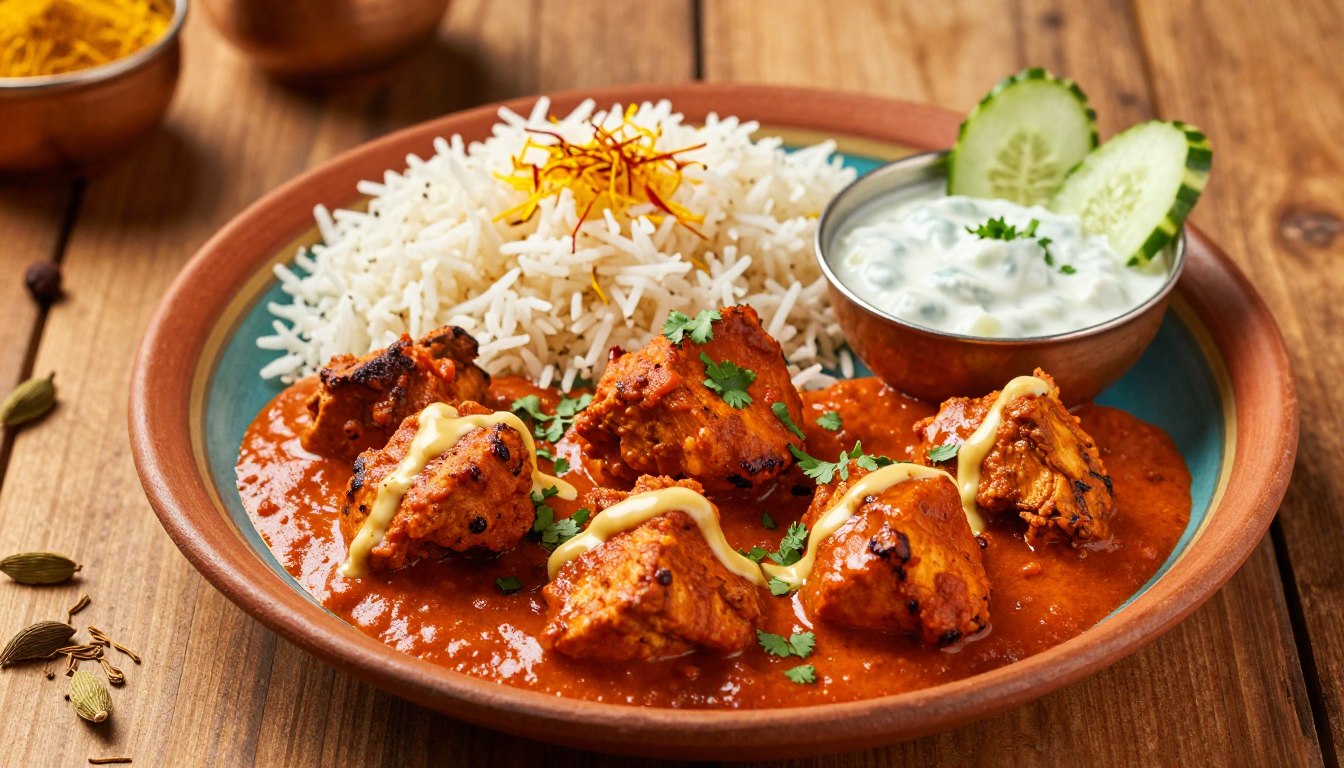
Welcome to the rewarding world of preparing a restaurant-quality Butter Chicken (Indian style) meal right in your own kitchen. This iconic dish has captured the hearts of food lovers across the globe with its rich, velvety sauce and perfectly tender meat.
You will discover why this meal remains a favorite for many. We will set the stage for your culinary journey by highlighting the essential balance of spices that defines this beloved comfort food.
By the end of this guide, you will have the confidence to recreate this flavorful masterpiece for your family and friends. Get ready to master the techniques that turn simple ingredients into a truly memorable dining experience.
Key Takeaways
- Learn the secrets to achieving a perfectly velvety sauce texture.
- Understand the importance of marinating for tender, juicy results.
- Master the delicate spice blend that creates authentic depth of flavor.
- Gain confidence in your ability to cook restaurant-quality meals at home.
- Discover tips for balancing heat and creaminess in your final dish.
The Origins and Appeal of Butter Chicken
The story of this iconic meal begins in the bustling kitchens of 1950s Delhi. It was here that chefs sought a creative way to repurpose leftover tandoori chicken, which had become dry after sitting out. By simmering the meat in a rich, velvety gravy of tomatoes, butter, and cream, they accidentally invented a culinary masterpiece.

Understanding the History of Murgh Makhani
Known locally as Murgh Makhani, this dish represents a revolutionary shift in Indian cooking. The combination of a tangy tomato base and smooth butter created a flavor profile that was entirely new to the region. This innovative approach transformed simple leftovers into a luxurious meal that quickly gained fame across the city.
Today, preparing an authentic butter chicken requires respecting these traditional roots while balancing the acidity of the tomatoes with the richness of dairy. You will find that the secret lies in the slow-cooking process, which allows the spices to meld perfectly with the butter. This method ensures that every bite is packed with deep, complex flavors.
Why This Dish Remains a Global Favorite
You might wonder why this specific recipe continues to dominate menus in the United States and beyond. The answer is its approachable spice level and incredibly smooth texture. Unlike many other Indian curries that rely on intense heat, this dish focuses on a harmonious blend of aromatics that appeals to a wide range of palates.
The following table highlights the key characteristics that make this dish stand out compared to other popular Indian curries:
| Feature | Butter Chicken | Spicy Curry |
|---|---|---|
| Primary Flavor | Creamy and Tangy | Sharp and Pungent |
| Spice Level | Mild to Medium | High to Very High |
| Texture | Silky and Smooth | Coarse or Thin |
| Best Served With | Garlic Naan | Basmati Rice |
Whether you are a seasoned cook or a beginner, mastering butter chicken is a rewarding experience. By understanding its history, you gain a deeper appreciation for the balance of ingredients required to create an authentic butter chicken in your own kitchen.
Essential Ingredients for Authentic Butter Chicken
Creating a restaurant-quality meal at home begins with selecting the finest ingredients available. When you prepare indian butter chicken, the quality of your components directly influences the final depth of flavor. By focusing on fresh, high-quality items, you ensure that your homemade butter chicken stands out with professional results.

Selecting the Right Cuts of Chicken
For the most succulent results, always choose boneless, skinless chicken thighs. Unlike breast meat, thighs contain a higher fat content that allows them to remain tender during the cooking process. This choice is essential for maintaining moisture while the meat absorbs the rich, spiced sauce.
The Role of Spices and Aromatics
The backbone of this dish relies on a precise blend of fresh aromatics and ground spices. Freshly grated ginger and minced garlic provide a pungent, earthy base that cuts through the richness of the sauce. You should also use high-quality garam masala to add the signature warmth and complexity that defines this classic recipe.
Choosing Quality Dairy for the Creamy Base
To achieve that signature silky mouthfeel, the choice of dairy is paramount. High-fat heavy cream provides the necessary body, while unsalted butter adds a luxurious sheen and richness to the gravy. Using premium dairy products ensures your sauce remains smooth and velvety rather than thin or grainy.
| Ingredient Category | Recommended Choice | Why It Matters |
|---|---|---|
| Protein | Chicken Thighs | Superior moisture retention |
| Aromatics | Fresh Ginger/Garlic | Provides deep flavor base |
| Dairy | Heavy Cream/Butter | Creates silky texture |
| Spices | Garam Masala | Adds essential warmth |
Preparing the Chicken Marinade
The secret to restaurant-quality results often hides in the simple step of marinating your protein. By allowing the meat to rest in a seasoned mixture, you ensure that every bite is packed with deep, aromatic intensity. This foundational step is essential for anyone looking to master the best butter chicken recipe in their own kitchen.
The Importance of Yogurt in Tenderizing
Yogurt serves as the backbone of an authentic marinade because it contains natural enzymes and lactic acid. These components work gently to break down tough muscle fibers without making the meat mushy. This process is crucial for achieving that melt-in-your-mouth texture that defines a high-quality dish.
Balancing Spices for the Perfect Flavor Profile
To create a robust flavor base, you must incorporate the right blend of dry spices into your yogurt. Start with turmeric for color, chili powder for a subtle kick, and cumin for an earthy depth. When you combine these elements correctly, you create an easy butter chicken recipe that tastes like it came from a professional kitchen.
Marination Time and Temperature Tips
Patience is your best friend when preparing your chicken. While you might be tempted to rush, allowing the meat to marinate for at least four hours is ideal for flavor penetration. Always keep your chicken in the refrigerator during this time to maintain food safety and ensure the best texture.
| Ingredient | Purpose | Recommended Amount |
|---|---|---|
| Greek Yogurt | Tenderizing | 1 Cup |
| Turmeric | Color & Earthiness | 1 Teaspoon |
| Chili Powder | Heat & Spice | 1/2 Teaspoon |
| Cumin | Aromatic Depth | 1 Teaspoon |
Following these simple guidelines will help you achieve consistent results every time you cook. Whether you are a beginner or a seasoned home chef, these techniques simplify the process of making a delicious meal. With the right preparation, your best butter chicken recipe will surely impress your guests.
Mastering the Butter Chicken (Indian style) Sauce
Achieving a restaurant-quality butter chicken curry requires mastering the delicate balance of your sauce. This component serves as the heart of the dish, demanding a careful blend of tangy tomatoes and rich, velvety elements. By focusing on these specific techniques, you can transform simple ingredients into a professional-grade masterpiece.
Creating the Tomato-Based Foundation
The base of your sauce relies on high-quality tomatoes and a slow-cooked aromatic profile. Start by sautéing onions, ginger, and garlic until they are soft and fragrant. Adding high-quality tomato purée or crushed tomatoes creates the vibrant, deep red color that defines this classic dish.
Consistency is key when building this foundation. Allow the mixture to simmer until the oil begins to separate from the sides of the pan. This process ensures that the raw tomato flavor cooks out, leaving behind a rich and concentrated base.
Achieving the Signature Silky Texture
A truly authentic sauce should be completely free of lumps, offering a smooth mouthfeel that coats the chicken perfectly. Achieving this luxurious texture requires patience and the right equipment. You want your final result to look as good as it tastes.
Techniques for Blending and Straining
Once your base has simmered, use a high-speed blender to process the sauce until it is perfectly smooth. For the best results, pass the blended mixture through a fine-mesh sieve into a clean pan. This extra step removes any remaining fibrous bits from the onions or tomatoes, ensuring a professional, restaurant-grade consistency.
Balancing Sweetness and Acidity
The final step in perfecting your butter chicken curry involves adjusting the flavor profile to suit your palate. If the sauce tastes too acidic from the tomatoes, add a small amount of honey or sugar to mellow the sharpness. Conversely, if the dish feels too heavy, a splash of lemon juice can provide the necessary brightness.
Taste your sauce frequently as you incorporate these elements. Small adjustments make a significant difference in creating a harmonious, well-rounded flavor. When the balance feels right, you will have successfully mastered the art of the perfect sauce.
Serving Suggestions and Side Dishes
The secret to a complete butter chicken dish lies in the thoughtful selection of breads, grains, and garnishes. These accompaniments do more than just fill your plate; they act as the perfect canvas for the rich, spiced gravy. By choosing the right sides, you ensure that every bite is balanced and satisfying.
Pairing with Fresh Naan or Roti
Warm, buttery naan is widely considered the ultimate vessel for scooping up your sauce. The soft, pillowy texture of the bread absorbs the creamy tomato base, allowing you to enjoy every drop of flavor. If you prefer a lighter option, traditional whole-wheat roti provides a delightful, earthy contrast that complements the spices without overpowering them.
Choosing the Best Rice Varieties
When you want to serve your butter chicken dish with grains, high-quality Basmati rice is the gold standard. Its long, slender grains remain separate and fluffy after cooking, providing a light foundation for the heavy, velvet-like curry. You should look for aged Basmati to ensure the most fragrant and aromatic experience possible.
Adding Fresh Garnishes for Presentation
A final touch of color and freshness can elevate your butter chicken dish from a simple meal to a restaurant-quality experience. A generous sprinkle of freshly chopped cilantro adds a bright, herbal note that cuts through the richness of the dairy. Additionally, a light swirl of heavy cream or a pat of butter placed right before serving creates a stunning visual appeal that invites everyone to the table.
Conclusion
You now possess the skills to transform simple pantry staples into a restaurant-quality masterpiece. Preparing butter chicken at home offers a unique sense of accomplishment that elevates your standard cooking routine.
Your kitchen becomes a space for creativity as you adjust spice levels to suit your personal palate. This recipe serves as a reliable foundation for many future meals. You might experiment with different brands of high-quality garam masala or fresh cream to discover your preferred flavor profile.
Sharing this rich, aromatic butter chicken with friends and family creates memorable dining experiences. Keep refining your technique with each attempt to ensure consistent results. Your journey into Indian cuisine starts with this dish, but it certainly does not end here. Enjoy the process of crafting delicious food that brings warmth and joy to your dining table every single time.
FAQ
What is the history behind authentic butter chicken?
Also known as Murgh Makhani, this iconic dish was created in the 1950s at the Moti Mahal restaurant in Delhi. It was originally designed as a way to revive leftover tandoori chicken by simmering it in a rich, tomato-based gravy enriched with butter and cream. Today, authentic butter chicken is celebrated globally for its perfect balance of mild spices and luxurious, velvety texture.
Which cuts of meat should you use for the best butter chicken recipe?
For the most succulent results, you should always choose boneless, skinless chicken thighs. Thighs are more forgiving than breasts and retain their moisture throughout the cooking process, ensuring your homemade butter chicken remains tender and flavorful rather than dry or stringy.
Why is yogurt a critical component in an easy butter chicken recipe?
Yogurt acts as a natural tenderizer because its lactic acid gently breaks down the protein fibers in the meat. When you marinate your chicken in a mixture of yogurt, lemon juice, and aromatics like ginger and garlic, you ensure that your indian butter chicken is infused with deep flavor while maintaining a soft, melt-in-your-mouth consistency.
How do you achieve the signature silky texture of a classic butter chicken?
The secret to a professional-grade butter chicken dish lies in the preparation of the sauce. After simmering your tomatoes and spices, you should use a high-powered blender, such as a Vitamix, to puree the mixture. For an even smoother finish, pass the sauce through a fine-mesh sieve to remove any remaining pulp or spice fragments before stirring in your heavy cream and butter.
What is the best way to balance the flavors in a butter chicken curry?
Achieving the perfect butter chicken curry requires a careful harmony of acidity and sweetness. If your sauce feels too tart from the tomatoes, you can add a small amount of sugar or honey. To enhance the earthy depth, you should use high-quality garam masala and finish the dish with dried kasuri methi (fenugreek leaves) for that unmistakable restaurant aroma.
What side dishes do you recommend serving with your homemade butter chicken?
To fully enjoy the rich gravy, you should pair your meal with warm, pillowy garlic naan or traditional roti, which are perfect for scooping up the sauce. Additionally, serving the dish over a bed of fragrant, long-grain basmati rice helps soak up the flavors and provides a light, airy contrast to the heavy cream base of the curry.