
Peppercorn Steak: Tender, Juicy, and Delicious
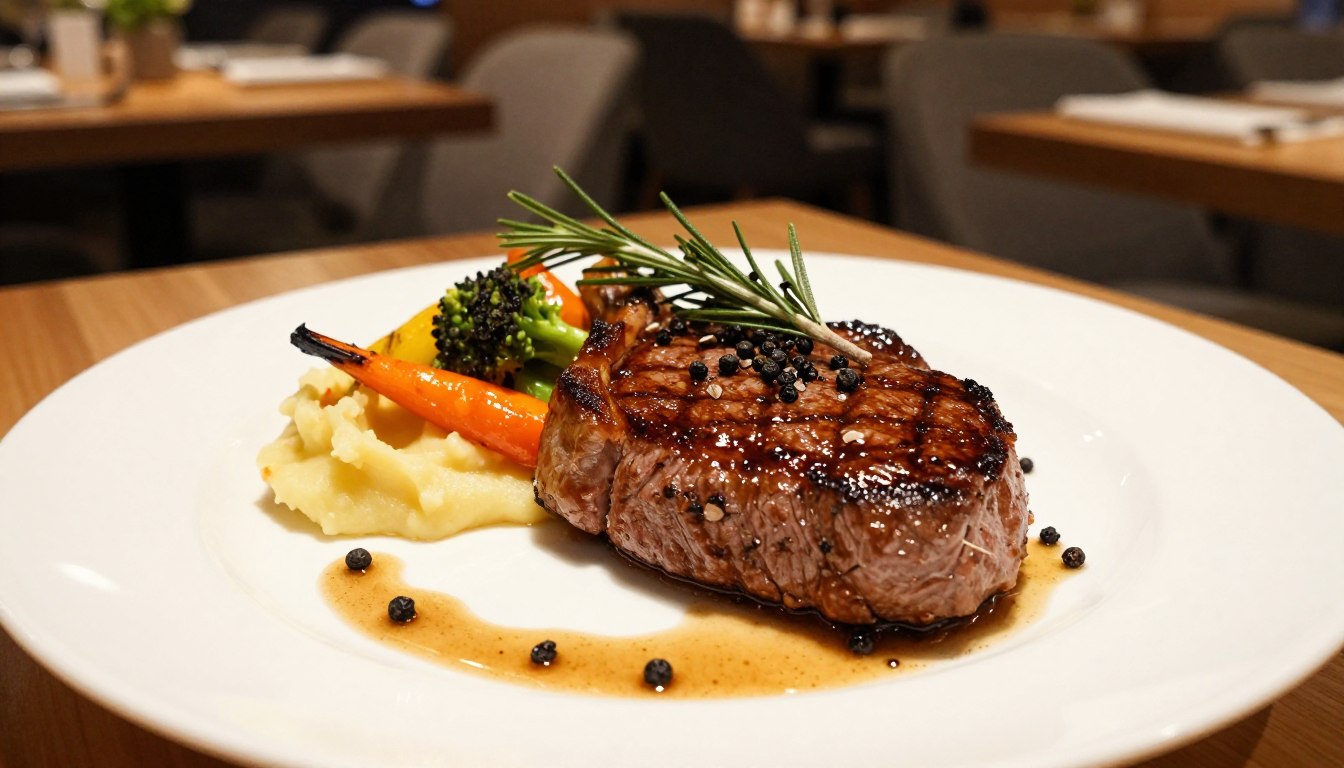
Imagine a meal that brings the sophistication of a high-end bistro directly to your kitchen table. A perfectly prepared Peppercorn Steak offers a bold harmony of cracked spice and succulent, melt-in-your-mouth meat. It is the ultimate choice for anyone wanting to impress guests or simply elevate a standard weeknight dinner.
Mastering this dish is easier than you might think. With the right recipe for peppercorn steak, you can achieve that signature crust and rich, velvety sauce every single time. Learning how to cook peppercorn steak allows you to control the quality of your ingredients while saving money.
You will find that the process is rewarding and straightforward. Get ready to transform your culinary skills and serve a meal that looks as good as it tastes.
Key Takeaways
- Achieve restaurant-quality results in your own home kitchen.
- Balance bold, spicy flavors with tender, high-quality cuts of meat.
- Master the essential techniques for a perfect, flavorful crust.
- Learn to create a rich, professional-grade pan sauce from scratch.
- Elevate your dinner menu with a timeless and elegant main course.
Selecting the Perfect Cut for Your Peppercorn Steak
Your journey toward the perfect peppercorn steak begins at the butcher counter. Choosing the right piece of meat is the most critical step in ensuring your meal is tender, juicy, and packed with flavor. When you prioritize quality, you set the stage for a truly memorable dining experience.

Understanding Beef Grades and Marbling
Beef grading is a reliable indicator of quality in the United States. You should look for “Prime” or “Choice” grades, as these contain the highest levels of intramuscular fat, known as marbling. This fat melts during the cooking process, which bastes the meat from the inside and creates a buttery texture.
Without sufficient marbling, your steak may turn out dry or tough. A well-marbled piece of beef ensures that every bite of your homemade peppercorn steak remains succulent and rich. Always inspect the surface of the meat for those tiny white flecks of fat before you make your purchase.
Why Filet Mignon and New York Strip Excel
When you are searching for the best peppercorn steak recipe, the cut you select matters immensely. The filet mignon is prized for its incredible tenderness, making it a luxurious choice for a classic sauce. Conversely, the New York strip offers a firmer texture and a robust beefy flavor that stands up well to the bold spice of cracked peppercorns.
Both cuts possess a uniform shape, which allows them to sear evenly in a hot pan. Their flat surfaces are ideal for pressing on a thick crust of spices. This creates a beautiful contrast between the crunchy exterior and the tender, juicy interior of your Peppercorn Steak.
| Steak Cut | Tenderness Level | Flavor Profile | Best For |
|---|---|---|---|
| Filet Mignon | Very High | Mild/Buttery | Elegant Dinners |
| New York Strip | Moderate | Bold/Beefy | Classic Bistro Style |
| Ribeye | High | Rich/Intense | Flavor Seekers |
Proper Preparation Before Seasoning
Before you even think about adding heat, you must prepare your meat correctly. Remove your steak from the refrigerator at least 30 minutes before cooking to bring it to room temperature. This simple step prevents the center from remaining cold while the outside overcooks.
Finally, use a paper towel to pat the surface of the meat until it is completely dry. Moisture is the enemy of a good sear, and a dry surface ensures your Peppercorn Steak develops a deep, golden-brown crust. Taking these extra moments ensures your final dish reaches professional standards.
Mastering the Art of Peppercorn Steak Seasoning
You can transform a simple cut of meat into a culinary masterpiece by focusing on your seasoning process. The signature bold flavor of a Peppercorn Steak relies entirely on how you prepare and apply your spices. When you take the time to refine your technique, you ensure that every bite delivers a complex and satisfying experience.
Cracking Peppercorns for Maximum Flavor
To achieve the best peppercorn steak recipe results, you must avoid using pre-ground dust from a shaker. Instead, use a heavy skillet or a mortar and pestle to crack whole peppercorns manually. This method releases essential oils that provide a vibrant, floral heat that pre-ground alternatives simply cannot match.

The Difference Between Whole and Coarsely Ground
Understanding the texture of your spice is vital for controlling the intensity on your palate. Whole peppercorns provide a sharp, sudden burst of heat, while coarsely ground pieces offer a more distributed, mellow spice profile. Coarsely ground pepper is generally preferred for a crust, as it adheres better to the meat and provides a consistent flavor in every mouthful.
Creating a Balanced Peppercorn Steak Marinade
A well-crafted peppercorn steak marinade should enhance the natural savory notes of the beef rather than masking them. You should aim for a blend that includes acidic components like balsamic vinegar or soy sauce to tenderize the fibers. By balancing these elements, you create a foundation that makes your peppercorn steak seasoning pop during the cooking phase.
Applying the Crust for a Perfect Sear
Once your meat is seasoned, you must ensure the spices are firmly pressed into the surface. This creates a robust crust that provides a satisfying crunch and deep flavor during the searing process. If you apply the mixture with gentle pressure, you prevent the spices from burning prematurely while allowing them to toast perfectly in the hot pan.
How to Cook Peppercorn Steak to Perfection
Transforming your raw ingredients into a masterpiece depends entirely on your cooking technique. While a great recipe for peppercorn steak provides the foundation, the actual execution at the stove determines the final texture and flavor profile of your meal.
Preparing Your Cast Iron Skillet
To master how to cook peppercorn steak, you must prioritize heat management. A heavy cast iron skillet is the ideal tool because it retains heat exceptionally well, allowing for a deep, flavorful crust.
Place your skillet over medium-high heat until it begins to smoke slightly. Add a high-smoke point oil, such as avocado or grapeseed oil, to ensure your peppercorn steak marinade does not burn prematurely.
Achieving the Ideal Internal Temperature
Using a digital meat thermometer is the most reliable way to ensure your steak reaches the desired level of doneness. Relying on touch or timing alone can lead to inconsistent results, especially when working with different thicknesses of meat.
Rare, Medium-Rare, and Medium Guidelines
Follow these temperature ranges to ensure your peppercorn steak seasoning is complemented by the perfect internal texture:
| Doneness | Internal Temp (F) | Color |
|---|---|---|
| Rare | 120°F – 125°F | Cool red center |
| Medium-Rare | 130°F – 135°F | Warm red center |
| Medium | 140°F – 145°F | Warm pink center |
The Importance of Resting Your Meat
Once your steak reaches the target temperature, remove it from the skillet immediately. Place the meat on a warm plate or cutting board and let it rest for at least five to ten minutes.
This crucial resting period allows the muscle fibers to relax and the juices to redistribute throughout the cut. If you slice into the steak too soon, you risk losing the moisture that makes the dish truly tender and delicious.
Crafting a Classic Peppercorn Sauce
The secret to a classic peppercorn steak lies in the final step: crafting a sauce that captures every bit of flavor. This velvety addition ties the entire dish together, providing a piquant finish that highlights the quality of your beef. By utilizing the remnants left in your skillet, you create a restaurant-quality experience right at home.
Deglazing the Pan for Depth of Flavor
After you remove your meat to rest, you will notice dark, caramelized bits stuck to the bottom of the pan. This is known as fond, and it is the foundation of your sauce. You should pour a small amount of liquid, such as broth or wine, into the hot skillet to lift these flavorful pieces.
Scrape the bottom of the pan with a wooden spoon while the liquid bubbles. This process, called deglazing, ensures that every ounce of savory goodness is incorporated into your homemade peppercorn steak. Do not rush this step, as it provides the essential base for your reduction.
Selecting the Right Cream and Cognac
To achieve a luxurious texture, you must choose the right dairy and spirits. Use a high-quality heavy cream with a high fat content to ensure the sauce coats the back of a spoon perfectly. A splash of authentic cognac adds a complex, woody depth that pairs beautifully with the bite of the peppercorns.
When adding the cognac, be mindful of the heat to avoid flare-ups. Once the alcohol evaporates, stir in the cream slowly. This combination creates a steak with peppercorn sauce that is both rich and sophisticated.
Balancing Acidity and Spice
The final touch involves adjusting the flavor profile to ensure it is not too heavy or one-dimensional. If the sauce feels too rich, a small squeeze of fresh lemon juice or a dash of Dijon mustard can provide the necessary acidity to cut through the cream. Taste your sauce frequently as you simmer it to ensure the heat from the peppercorns remains balanced.
If the spice level is too intense, add a tiny bit more cream to mellow the flavor. Achieving this harmony is the hallmark of a skilled cook. Once the sauce reaches a thick, glossy consistency, it is ready to be drizzled over your perfectly prepared meat.
Conclusion
Mastering the art of the kitchen requires patience and a focus on quality ingredients. You now possess the knowledge to transform simple cuts of beef into a restaurant-quality meal.
Your journey toward creating a perfect steak with peppercorn sauce begins with selecting the right meat. Focus on the marbling and the thickness of your cut to ensure consistent results every time you fire up your cast iron skillet.
Refining your technique brings out the bold, sophisticated flavors that define a classic peppercorn steak. Practice your sear and balance your sauce ingredients to suit your personal palate.
Share your culinary creations with friends or family to celebrate your new skills. Experimenting with different peppercorn varieties or cream brands allows you to put a unique spin on this timeless dish. Enjoy the process of crafting a meal that brings professional flair to your own dining table.
FAQ
What is the secret to making the best peppercorn steak recipe in your own kitchen?
The secret lies in your equipment and preparation. Using a heavy Lodge cast iron skillet allows for superior heat retention, which is essential for creating a professional-grade crust. Additionally, you should ensure your meat reaches room temperature before it hits the pan to guarantee even cooking throughout the cut.
How to cook peppercorn steak to the ideal internal temperature?
For a perfect medium-rare result, you should aim for an internal temperature of approximately 130°F to 135°F. Use a reliable digital thermometer, such as a Thermapen, to monitor the steak closely. Remember to pull the meat off the heat a few degrees early, as carry-over cooking will continue to raise the temperature while the steak rests.
Which specific cuts of beef should you use for a classic peppercorn steak?
Most professional chefs recommend using Filet Mignon for its buttery tenderness or a New York Strip for its robust flavor and excellent marbling. These premium cuts provide the ideal surface area for applying a thick, even layer of peppercorn steak seasoning.
Should you use a peppercorn steak marinade or a dry rub?
While a dry rub of coarsely cracked peppercorns is the traditional method for creating a “Steak au Poivre” crust, you can use a light peppercorn steak marinade consisting of olive oil and a splash of Lea & Perrins Worcestershire sauce to help the spices adhere to the meat more effectively before you begin the searing process.
What is the best way to prepare the peppercorns for a homemade peppercorn steak?
Avoid using pre-ground pepper from a shaker. For the most vibrant flavor, crack whole black peppercorns—such as McCormick Gourmet Tellicherry peppercorns—using a mortar and pestle or the bottom of a heavy pan. This creates a coarse texture that provides a satisfying crunch and a bold release of oils.
How do you deglaze the pan for a professional-grade steak with peppercorn sauce?
After removing your peppercorn steak from the skillet, pour off any excess fat and add a splash of high-quality cognac, like Hennessy or Rémy Martin. Use a wooden spoon to scrape up the browned bits, known as the fond, from the bottom of the pan. This process captures the concentrated savory flavor necessary for a rich, complex sauce.
Why is this recipe for peppercorn steak often finished with heavy cream?
Adding a high-quality heavy cream, such as Horizon Organic, balances the intense heat of the peppercorns and the acidity of the cognac. It creates a velvety, luxurious texture that coats the meat and elevates the entire meal to restaurant-quality standards.
How long should you let your steak rest after it leaves the heat?
You should allow your steak to rest for at least five to ten minutes on a warm plate or cutting board. This step is critical because it allows the muscle fibers to relax and the juices to redistribute, ensuring that your meat remains juicy and tender when you finally slice into it.