
Classic Beef Steak with Herb Butter
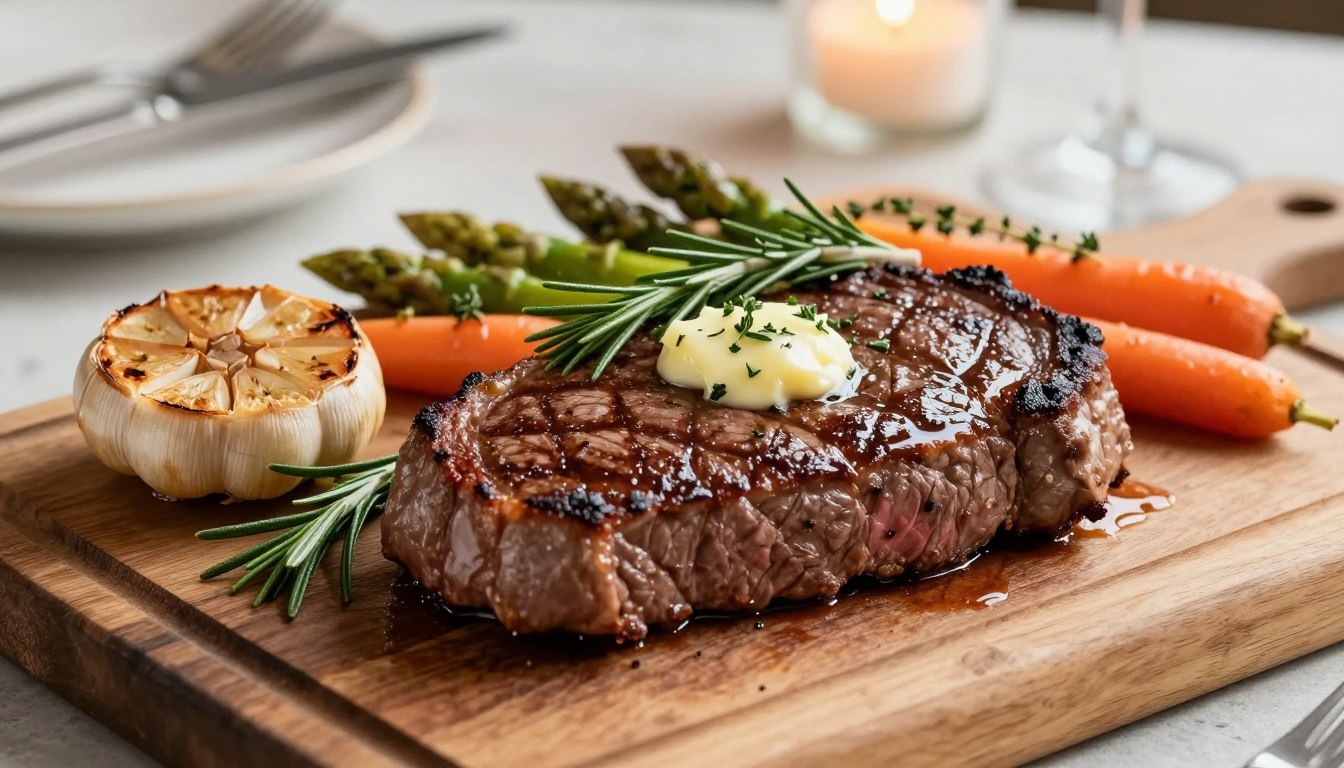
Do you dream of serving a restaurant-quality meal in your own kitchen? Mastering the art of a perfectly seared protein is easier than you might think. By selecting the finest ingredients, you can elevate your cooking to a professional level.
This classic beef steak with herb butter guide provides the essential steps to ensure your meal is a success. You will learn how to apply expert techniques that turn simple pantry staples into a sophisticated dining experience.
Following this reliable beef steak recipe allows you to transform a standard cut of meat into a memorable culinary masterpiece. Whether you are hosting guests or treating your family, a homemade steak dinner is the ultimate way to showcase your skills.
Key Takeaways
- Select high-quality cuts for the best flavor and texture.
- Bring your meat to room temperature before cooking to ensure even heat distribution.
- Use a heavy skillet to achieve a deep, flavorful crust.
- Allow the meat to rest properly to lock in natural juices.
- Finish your dish with a compound topping for added richness.
Selecting the Perfect Cut for Your Classic Beef Steak with Herb Butter
When you prepare a Classic Beef Steak with Herb Butter, the quality of your raw ingredients dictates the final outcome. Selecting the right piece of meat is the foundational step for any successful kitchen project. By understanding what to look for, you ensure that your meal starts with the highest quality base.Understanding Beef Grades and Marbling
The secret to a truly traditional beef steak lies in the intramuscular fat, commonly referred to as marbling. These small white flecks of fat melt during the cooking process, basting the meat from the inside out.
Look for higher grades of beef, such as USDA Prime or high-end Choice, which typically feature more abundant marbling. This fat content is the primary driver of both tenderness and deep, savory flavor in your finished dish.
Choosing Between Ribeye, New York Strip, and Filet Mignon
Different cuts offer unique experiences for your palate. Depending on your preference for texture and richness, you might choose one of these popular options:
- Ribeye: Known for intense marbling and a rich, buttery flavor profile.
- New York Strip: Offers a firmer texture with a balance of lean meat and fat.
- Filet Mignon: Celebrated for its lean elegance and incredibly tender, melt-in-your-mouth consistency.
The Importance of Thickness for Even Cooking
Beyond the cut itself, the physical dimensions of your steak are vital for success. A thin steak often overcooks before it develops a proper crust, while a thicker cut allows for better control over the internal temperature.
Aim for a thickness of at least 1.5 inches to achieve a perfect sear while maintaining a juicy center. This thickness is essential for any traditional beef steak recipe, as it provides the necessary buffer to prevent the meat from drying out. When you invest in a quality cut for your Classic Beef Steak with Herb Butter, you are setting the stage for a professional-grade result at home.
Preparing Your Steak for the Perfect Sear
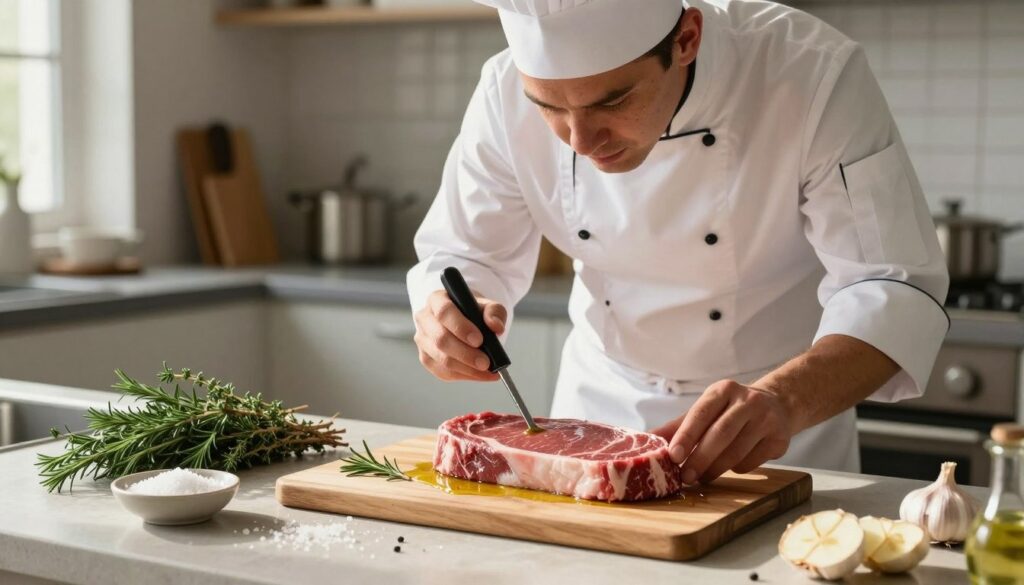
Achieving a restaurant-quality sear starts long before the steak hits the hot pan. By following a few essential steps, you can elevate your traditional beef steak from a simple meal to a culinary experience. Proper preparation ensures that your final dish is cooked evenly and boasts a beautiful, flavorful crust.
Bringing Meat to Room Temperature
You should always take your steak out of the refrigerator about 30 to 45 minutes before cooking. This allows the internal temperature to rise, which prevents the center from remaining cold while the exterior burns. Consistency is key when you want to achieve that perfect medium-rare finish.
Patting Dry for a Superior Crust
Moisture is the enemy of a good sear. If the surface of your meat is wet, it will steam in the pan rather than brown. Use paper towels to pat the steak dry on all sides until no visible moisture remains. This simple step is a secret used in many savory steak recipes to guarantee a deep, golden-brown crust.
Seasoning Techniques for Maximum Flavor
Once your steak is dry, it is time to season it properly. A well-seasoned exterior creates a delicious contrast with the tender meat inside. Consider these tips for the best results:
- Apply seasoning generously to all sides, including the edges.
- Press the seasoning into the meat to ensure it adheres well.
- Avoid over-salting if you plan to use a salty compound butter later.
The Role of Kosher Salt and Freshly Cracked Pepper
Kosher salt is preferred by chefs because its coarse texture makes it easy to distribute evenly. When you use freshly cracked black pepper, you add a bold, aromatic punch that pre-ground pepper simply cannot match. Together, these two ingredients form the backbone of a classic beef steak recipe.
When to Apply Dry Rubs or Aromatics
If you are using a dry rub, apply it just before you start cooking to prevent the salt from drawing out too much moisture. Delicate aromatics like fresh herbs should be added during the basting phase rather than at the start. This prevents them from burning and turning bitter in the high heat of your skillet.
Mastering the Cooking Technique
Transforming a raw cut of beef into a restaurant-quality meal starts with your technique. When you focus on the interaction between heat and protein, you elevate your homemade steak dinner to a professional level.
Heating Your Cast Iron Skillet
A heavy cast iron skillet is the best tool for the job because it retains heat exceptionally well. Place your skillet over medium-high heat and allow it to warm up for several minutes before adding any oil. You want the surface to be hot enough that the steak sizzles immediately upon contact.
The Science of the Maillard Reaction
The Maillard reaction is a chemical process that occurs when amino acids and sugars in the meat react to high heat. This reaction creates a deep, brown crust that is essential for a delicious beef entree. Without this intense browning, the steak would lack the complex flavor profile that defines a high-end meal.
Basting with Aromatics
Once you have achieved a beautiful crust, it is time to introduce flavor through cooking with herbs. This stage transforms the steak from a simple seared piece of meat into a gourmet experience.
Adding Garlic and Thyme to the Pan
Lower the heat slightly and toss in a few cloves of smashed garlic and fresh sprigs of thyme. The fat in the pan will quickly absorb these flavors, creating a fragrant base for the final stage of cooking. This infusion is a vital step in crafting a delicious beef entree that stands out.
The Butter Basting Process
Add a generous knob of unsalted butter to the skillet and let it foam. Tilt the pan slightly and use a large spoon to continuously pour the hot, herb-infused butter over the steak. This technique, known as arrosé, ensures your homemade steak dinner cooks evenly while absorbing the rich, savory notes of the butter and aromatics.
| Technique Stage | Primary Goal | Heat Level |
| Initial Sear | Maillard Reaction | High |
| Aromatic Infusion | Flavor Depth | Medium |
| Butter Basting | Even Cooking | Low-Medium |
Crafting the Ultimate Herb Butter Sauce
A compound butter is the secret weapon that elevates simple home cooking into a restaurant-quality experience. This luxurious finish is what truly defines many gourmet steak dishes, providing a rich, melting layer of flavor that coats every bite.
Essential Ingredients for Gourmet Herb Butter
The foundation of a great sauce lies in the quality of your components. When you focus on freshness, the final result will be far superior to any store-bought alternative.
Selecting Fresh Herbs: Parsley, Rosemary, and Chives
Cooking with herbs requires a delicate balance of textures and aromas. Flat-leaf parsley offers a clean, grassy note, while rosemary provides a woody depth that pairs perfectly with beef. Finely chopped chives add a mild, onion-like bite that rounds out the profile.
Choosing High-Quality Unsalted Butter
Always start with high-quality unsalted butter to maintain full control over the seasoning. Using unsalted varieties allows you to adjust the salt levels precisely, ensuring the herb butter sauce does not become overly briny. High-fat European-style butters are often preferred for their creamy mouthfeel.
Step-by-Step Mixing and Shaping
Once your ingredients are prepped, the process of combining them is straightforward. You simply need to soften the butter until it reaches a pliable, spreadable consistency.
Creating a Butter Log for Easy Slicing
Place your softened butter and finely minced herbs into a mixing bowl. Use a spatula to fold the ingredients together until they are evenly distributed. Transfer the mixture onto a sheet of parchment paper and roll it into a tight, uniform log.
Chilling for Optimal Texture
Twist the ends of the parchment paper to secure the shape. Place the log in the refrigerator for at least one hour to firm up. This chilling process is vital for creating clean, professional-looking slices that melt beautifully when placed atop your gourmet steak dishes.
Resting and Serving Your Gourmet Steak Dish
Achieving professional results with your steak requires patience during the final moments of preparation. While the cooking process is vital, the way you handle the meat immediately after removing it from the heat defines the final texture and flavor profile.
Why Resting is Non-Negotiable
You must allow your steak to rest for at least five to ten minutes before cutting into it. This crucial waiting period allows the internal juices to redistribute throughout the muscle fibers. If you slice too early, the flavorful juices will spill onto your cutting board instead of staying inside the meat.
Slicing Against the Grain
Once the meat has rested, look for the direction of the muscle fibers, known as the grain. You should slice perpendicular to these fibers to shorten them, which makes every bite significantly more tender. This simple technique transforms a good piece of meat into a truly high-quality dining experience.
Plating with Herb Butter Melts
To elevate your presentation, place a generous slice of your prepared herb butter sauce directly onto the hot steak. As it melts slowly, it creates a rich, glossy pan sauce that coats the meat and enhances its natural savory notes. This final touch is a hallmark of professional savory steak recipes that look as good as they taste.
Pairing Suggestions for a Complete Meal
A well-rounded plate balances the richness of the beef with fresh or earthy sides. Consider the following options to complement your meal:
| Side Dish | Flavor Profile | Preparation Method |
| Roasted Asparagus | Earthy and Crisp | Oven-roasted with sea salt |
| Garlic Mashed Potatoes | Creamy and Rich | Whipped with butter and cream |
| Balsamic Glazed Carrots | Sweet and Tangy | Pan-seared until tender |
Conclusion
Mastering the art of the perfect sear transforms your kitchen into a professional culinary space. You now possess the technical knowledge to select premium cuts and apply heat with precision.
Creating gourmet steak dishes becomes an intuitive process once you understand the balance of temperature and timing. Your ability to craft a signature herb butter adds a layer of complexity that elevates every bite.
Focusing on these fundamental techniques ensures that every delicious beef entree you prepare meets high standards. You can experiment with different herbs or aging processes to refine your personal style over time.
Share your results with friends or family to showcase your newfound expertise. Your commitment to quality ingredients and careful preparation will always yield impressive results at the dinner table.
What cut of beef will you choose for your next culinary project? Start your journey toward becoming a home chef today by putting these methods into practice.
FAQ
What is the best cut of meat to use for a classic beef steak with herb butter?
For a truly traditional beef steak experience, you should choose between a Ribeye, New York Strip, or Filet Mignon. When shopping at the butcher, look for high levels of marbling, which are the white flecks of intramuscular fat that melt during cooking to provide superior flavor and tenderness. Ensure your cut is at least 1.5 inches thick to help you achieve a perfect medium-rare center while maintaining a deep sear on the outside.
Why is it necessary to pat the meat dry before starting your beef steak recipe?
Removing surface moisture is a critical step for any homemade steak dinner. If the surface of the meat is wet, it will steam rather than sear when it hits the pan. By using a paper towel to pat the steak completely dry, you facilitate the Maillard reaction, a chemical process that creates the complex, savory brown crust essential for gourmet steak dishes.
How do I master the butter basting technique for a delicious beef entree?
Once you have seared both sides of your steak in a Lodge cast iron skillet, lower the heat slightly and add a large knob of Kerrygold Unsalted Butter along with aromatics like smashed garlic cloves and fresh thyme. As the butter foams, tilt the pan and use a large spoon to continuously pour the hot, flavored fat over the meat. This professional technique, known as arrosé, ensures your savory steak recipes are infused with rich moisture and herbal notes.
Which fresh ingredients are best when cooking with herbs for a compound butter?
To create a vibrant herb butter sauce, you should use a blend of fresh parsley, rosemary, and chives. Finely mince these herbs and whip them into softened, high-quality butter. For the best presentation, roll the mixture into a log using parchment paper and chill it until firm. This allows you to cut perfect circular coins that melt beautifully over your hot steak just before serving.
Why is resting the meat considered a non-negotiable step for savory steak recipes?
You must allow your steak to rest for at least five to ten minutes after removing it from the heat. During the cooking process, the muscle fibers tighten and push juices toward the center; resting allows these fibers to relax and redistribute the moisture. If you cut into your traditional beef steak too soon, the juices will run out onto the plate, leaving the meat dry and less flavorful.
How should I slice and serve my steak to ensure maximum tenderness?
When you are ready to plate your delicious beef entree, always slice the meat against the grain. By cutting across the long muscle fibers, you shorten them, making each bite significantly easier to chew. Finish the dish by placing a slice of your chilled herb butter sauce on top, allowing it to create a luxurious glaze as it melts over the rested meat.