
Straight from the Depression Era Kitchen: Crispy Pantry Recipes
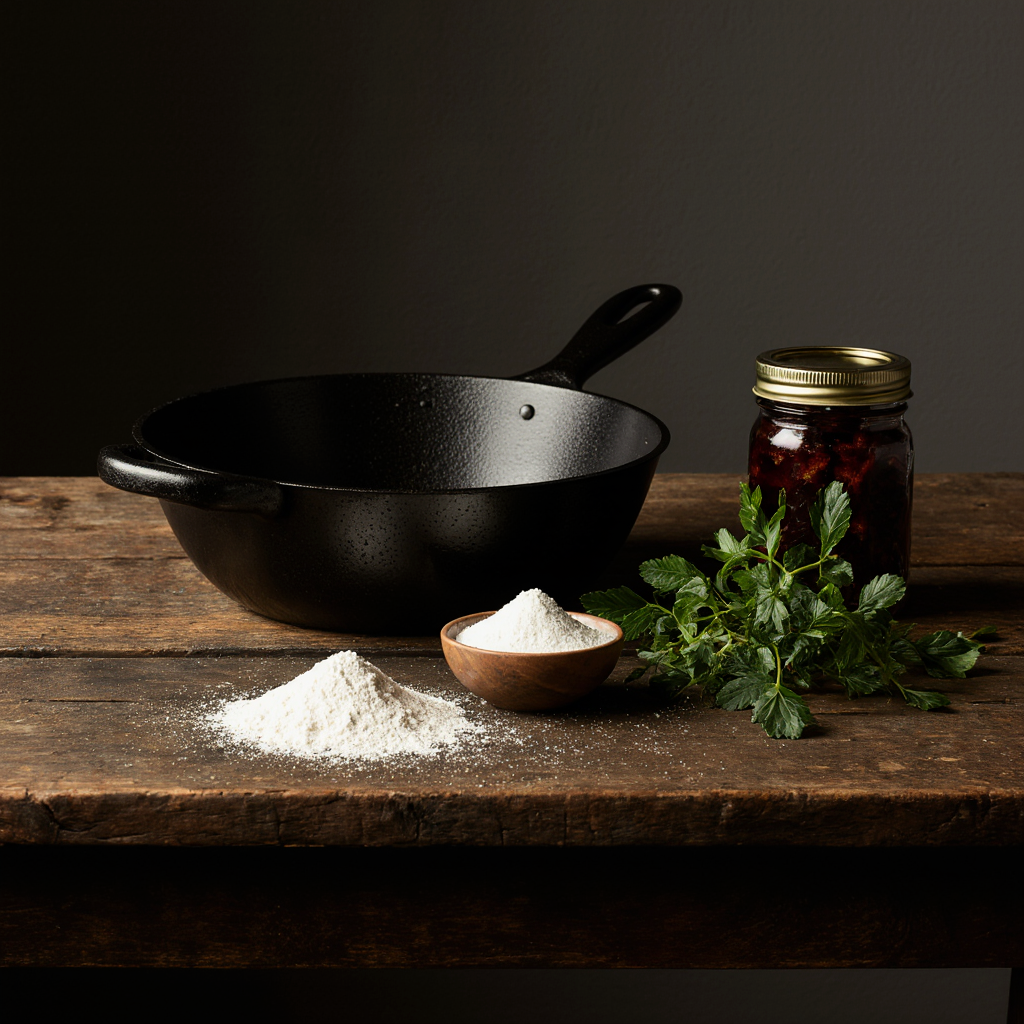
Welcome to a world where necessity sparked true culinary brilliance. During 1930s America, families faced limited supplies, yet they mastered Depression era cooking to keep spirits high.
These resourceful cooks transformed simple staples into satisfying meals. They discovered how to achieve delightful textures using only basic items found on their shelves.
By revisiting these time-tested methods, you can learn to appreciate such ingenuity. Our guide helps you bring those historic, crunchy, and hearty flavors back into your contemporary home with ease.
Key Takeaways
- Learn how 1930s families maximized limited food supplies.
- Discover techniques for achieving satisfying textures with basic ingredients.
- Explore historical methods that remain relevant for modern home cooks.
- Gain confidence in creating delicious meals on a budget.
- Celebrate the creativity required to feed a family during challenging times.
The Philosophy of Resourcefulness in American Cooking
Frugal kitchen tips from the 1930s reveal a profound philosophy of resilience and ingenuity. During this era, the American kitchen transformed into a vital space where waste reduction was not just a habit, but a necessity for survival. Families focused on maximum caloric density to ensure that every meal provided enough energy to get through the day.
This approach to resourcefulness in cooking defined a generation. By stretching limited ingredients, home cooks managed to keep their families fed despite extreme economic hardship. This historical period serves as a masterclass in how to thrive when resources are scarce.
Understanding the Pantry Staples of the 1930s
The foundation of 1930s food history rested on a few reliable, shelf-stable items. Flour, cornmeal, and potatoes were the “holy trinity” of the Depression-era pantry. These ingredients were affordable, versatile, and could be transformed into countless different dishes.
Home cooks mastered the art of turning these simple staples into hearty meals. Whether it was a basic flour-based gravy or a fried potato cake, the goal was always to create something filling. The following table highlights how these humble ingredients compared to modern pantry expectations.
| Staple Ingredient | Primary Use | Nutritional Focus |
|---|---|---|
| Potatoes | Bulk and texture | High carbohydrate energy |
| Cornmeal | Crusts and binders | Fiber and satiety |
| Flour | Thickening and dough | Caloric density |
Why Texture Mattered During Hard Times
Beyond mere sustenance, the psychological comfort of food played a massive role in daily life. A soft, mushy diet can feel monotonous, especially when ingredients are limited. The satisfying crunch of a fried item provided a much-needed sensory break from the routine of boiled or stewed meals.
Achieving a crispy texture was a way to elevate simple, inexpensive ingredients into something that felt like a treat. This focus on texture helped maintain morale during difficult years. It turned a basic potato or a handful of flour into a culinary experience that felt substantial and rewarding.
Straight from the depression era kitchen. Crispy, filling, and made from pantry
Achieving a perfect crunch with almost no ingredients was the hallmark of a skilled Depression-era cook. Families relied on pantry staple meals to keep bellies full when fresh produce and meat were scarce. By using simple techniques, they turned humble ingredients into satisfying, golden-brown dishes that felt like a luxury.
The Art of Frying with Limited Fats
Cooking with limited fats was a daily challenge that required immense creativity. Most households had only a small amount of lard or bacon drippings, which had to be stretched across several meals. Cooks learned to use a heavy cast-iron skillet, which distributed heat evenly and required less oil to achieve a crispy exterior.
Instead of deep-frying, they mastered the art of shallow frying. By keeping the heat steady and the food moving, they ensured that even a thin layer of fat could create a delicious, crunchy crust. This method prevented food from soaking up too much grease, making every drop of fat count.
| Technique | Benefit | Fat Usage |
|---|---|---|
| Shallow Frying | Crispy Texture | Minimal |
| Dry Sautéing | Flavor Depth | None |
| Bacon Dripping | Rich Taste | Low |
Transforming Stale Bread into Crispy Delights
Nothing was ever thrown away in a 1930s kitchen, especially bread that had gone hard. Creative stale bread recipes allowed families to turn dry loaves into crunchy snacks or hearty meal additions. Often, the bread was sliced thin and fried in a tiny bit of fat until it turned golden and brittle.
These crispy pieces served as a base for soups or were eaten as a simple treat with a sprinkle of salt. By repurposing leftovers, cooks ensured that every calorie provided both sustenance and a satisfying texture. This practice remains a testament to the resourcefulness of the era, proving that even the simplest ingredients can become a delight with the right touch.
Crispy Potato Pancakes and Vegetable Fritters
When money was tight, the humble potato became a culinary hero for home cooks across America. These tubers were affordable, filling, and incredibly versatile for those managing a lean pantry. By grating them and frying them in a thin layer of fat, families could create a meal that felt like a special treat.
Mastering the Basic Potato Pancake
The secret to a perfect pancake lies in removing excess moisture before the batter hits the pan. After grating your potatoes, squeeze them firmly in a clean cloth to ensure the final result is crispy rather than soggy. A little bit of flour or cornmeal helps bind the mixture together, allowing for various potato pancake variations that suit whatever you have on hand.
Always heat your skillet until the fat shimmers before adding the batter. This ensures an immediate sear that locks in the flavor and creates that signature golden crust. Keeping the heat steady is the best way to achieve a soft, fluffy interior while maintaining a satisfying crunch on the outside.
Using Scraps for Crispy Vegetable Medleys
Resourcefulness was the hallmark of the era, and nothing went to waste in a thrifty kitchen. If you have carrot tops, wilted greens, or even leftover onion ends, you can easily turn them into delicious fritters. These vegetable fritter ideas prove that even the most modest scraps can be transformed into a hearty side dish.
Simply chop your greens finely and mix them with a small amount of batter to hold the shape. These bites are best served hot, straight from the pan, to enjoy the maximum texture. Below is a quick guide to help you experiment with different base ingredients for your next meal.
| Base Ingredient | Binding Agent | Cooking Method |
|---|---|---|
| Grated Potatoes | Flour | Pan-fry in lard |
| Wilted Greens | Cornmeal | Shallow fry |
| Carrot Tops | Breadcrumbs | Crisp in skillet |
The Magic of Cornmeal and Flour Crusts
Every Depression-era cook knew that a little cornmeal or flour could turn a humble vegetable into a feast. These two dry goods were the most reliable staples in any 1930s pantry. They provided the necessary foundation for creating textures that felt indulgent despite the lack of expensive ingredients.
Creating Crispy Cornmeal Coatings
To achieve a satisfying crunch, home cooks often relied on specific cornmeal crust techniques. By lightly dusting vegetables or small portions of meat with seasoned cornmeal, they created a barrier that held up well in a hot skillet. This method ensured that even the simplest garden harvest felt like a hearty, satisfying meal.
Consistency is key when working with cornmeal. If the meal is too coarse, it may fall off during the frying process. Many cooks found that mixing a small amount of flour with the cornmeal helped the coating adhere better to the food, resulting in a perfectly golden finish.
Simple Flour-Based Batters for Frying
When a lighter, puffier texture was desired, cooks turned to flour-based frying. These batters were incredibly simple, usually requiring nothing more than flour, a pinch of salt, and enough water or milk to reach a thin, pourable consistency. The batter would expand in the hot fat, creating a delicate shell that protected the moisture inside.
This technique was particularly useful for stretching small amounts of protein or leftover vegetables. Because the batter puffed up so beautifully, it made the portions appear larger and more filling. Mastering these fundamental mixtures allows you to replicate the authentic, resourceful spirit of 1930s cooking in your own kitchen today.
Savory Crispy Crackers and Flatbreads
During the lean years, families relied on basic kitchen chemistry to turn humble ingredients into essential snacks. When store-bought bread became a luxury, home cooks proved their incredible self-sufficiency by crafting their own crunchy accompaniments for soups and stews. These simple recipes required nothing more than pantry staples that most households already kept on hand.
Homemade Hardtack and Simple Crackers
Hardtack stands as the ultimate symbol of survival cooking. This long-lasting, simple biscuit was designed to endure, providing a reliable source of sustenance when fresh ingredients were scarce. By mixing flour, water, and a pinch of salt, families could bake a batch of homemade hardtack that stayed crisp for weeks.
These crackers were often broken into pieces and soaked in broth to soften them up during dinner. They provided a satisfying crunch that made even the thinnest vegetable soup feel like a hearty, complete meal. It is a testament to the ingenuity of the era that such a basic item could become a cornerstone of the daily diet.
Pan-Fried Flatbreads for Every Meal
Beyond the oven, the stovetop offered another quick path to fresh bread. A pan-fried flatbread is perhaps the most accessible recipe for any home cook looking to replicate the flavors of the past. You only need flour, water, and a small amount of fat to create a warm, golden crust in minutes.
These flatbreads are incredibly versatile and pair perfectly with both savory toppings and simple spreads. Because they cook so quickly, they were the perfect solution for busy families who needed to put food on the table without wasting precious fuel. Mastering a simple pan-fried flatbread allows you to bring that same spirit of resourcefulness into your own modern kitchen today.
Utilizing Leftover Grains for Crispy Bites
Transforming yesterday’s humble grains into today’s crispy meal is a hallmark of resourceful cooking. In the 1930s, nothing was ever wasted, and cooks mastered the art of repurposing simple ingredients into satisfying dishes. These leftover grain recipes prove that even the most basic pantry staples can become a culinary highlight with a little creativity.

Turning Cold Porridge into Crispy Cakes
When you have leftover oatmeal or cornmeal mush, do not throw it away. Instead, pour the cooked porridge into a shallow pan and let it chill in the refrigerator until it becomes firm. Once cold, you can slice the solid block into uniform squares or triangles.
These slices are perfect for the frying pan. By searing them in a small amount of fat, you create a delightful, golden crust that contrasts beautifully with the soft, creamy interior. This simple method turns a plain breakfast leftover into a hearty, crunchy snack that feels entirely new.
Rice and Bean Patties with a Golden Crust
Combining leftover rice and beans is a classic way to stretch a meal while adding essential protein. When these two ingredients are mashed together, they form a sturdy base for crispy rice patties that hold their shape perfectly in a hot skillet.
To achieve the best texture, ensure your mixture is dry enough to handle before shaping it into small cakes. A light dusting of flour or cornmeal before frying helps create an extra layer of crunch. These savory bites are not only budget-friendly but also incredibly satisfying for any lunch or dinner.
| Grain Type | Preparation Method | Best Serving Suggestion |
|---|---|---|
| Oatmeal | Chilled and Pan-Fried | Drizzled with honey or syrup |
| Cornmeal Mush | Sliced and Crisped | Served with savory gravy |
| Rice and Beans | Formed into Patties | Topped with fresh herbs |
Sweet Crispy Treats from Minimal Ingredients
Sweet treats were not just luxuries; they were essential morale boosters for families facing hard times. Even when resources were scarce, home cooks found creative ways to satisfy a craving for something sugary and satisfying. These depression era sweets prove that you do not need a fully stocked modern pantry to create a memorable dessert.
Fried Dough and Simple Fritters
One of the most beloved ways to create a quick dessert involved basic fried dough recipes. By mixing simple flour, a pinch of salt, and water, families could create a dough that puffed up beautifully in a hot skillet. These golden, crispy bites were often dusted with a tiny bit of sugar or cinnamon if available.
Fritters were another staple that utilized whatever fruit or vegetable scraps were on hand. Whether using grated apples or even leftover corn, the batter provided a comforting crunch that felt like a true indulgence. These small bites were often served warm, providing a moment of respite during long, difficult days.
Caramelized Pantry Sweets
Beyond frying, home cooks mastered the art of caramelizing simple ingredients to create crunchy toppings. A small amount of sugar heated in a pan could transform into a rich, golden syrup. This syrup was often drizzled over bread or crackers to add a delightful texture and sweetness to otherwise plain snacks.
This method allowed families to stretch their limited sugar supplies while creating something that felt special. By focusing on the transformation of basic pantry items, they turned simple ingredients into crunchy, caramelized snacks that lasted for days. The following table highlights how common staples were used to create these treats.
| Ingredient | Primary Use | Resulting Texture |
|---|---|---|
| Flour | Base for fried dough recipes | Crispy and airy |
| Sugar | Caramelized glazes | Hard and crunchy |
| Water | Binding agent | Light and golden |
| Leftover Fruit | Fritter filling | Soft center, crispy edge |
Modern Tips for Recreating Depression Era Crispy Textures
Achieving that perfect, golden crunch from a bygone era is easier than you might think with today’s tools. While the ingredients remain simple, the way we manage our modern stoves can make a world of difference. By applying a few smart adjustments, you can ensure your meals turn out just as delicious as they were nearly a century ago.

Adjusting Heat for Perfect Browning
Mastering browning techniques is the secret to getting that signature crispy exterior without burning your food. Many modern stoves run hotter than the wood-burning ranges of the past, so it is important to start with a lower heat setting. Patience is your best friend when you want to achieve an even, golden-brown crust on fritters or fried dough.
If you find your food is darkening too quickly, try these simple adjustments:
- Use a heavy-bottomed skillet to distribute heat more evenly across the surface.
- Keep your oil temperature steady by not overcrowding the pan.
- Test a small piece of batter first to gauge how your burner reacts to the pan.
Storage and Preservation of Crispy Leftovers
One of the biggest challenges with crispy foods is keeping them crunchy after they leave the pan. Proper food preservation tips can help you avoid the dreaded soggy texture that often happens when leftovers sit in the fridge. The goal is to minimize moisture buildup while keeping the food safe to eat.
To maintain that satisfying crunch, avoid storing your crispy treats in airtight containers while they are still warm. Instead, let them cool completely on a wire rack to allow steam to escape. When you are ready to enjoy them again, a quick trip to a hot oven or a toaster oven will restore their original, delightful texture.
Conclusion
The lessons learned from the past prove that creativity remains the most valuable tool in any home kitchen. By embracing Depression era cooking, you gain the ability to turn humble ingredients into something truly special.
These crispy pantry recipes offer a practical way to honor the ingenuity of previous generations. You can reduce food waste while creating delicious meals that satisfy the entire family. Every potato peel or bit of stale bread holds potential for a golden, crunchy transformation.
Look at your shelves with a fresh perspective today. Simple staples like flour, cornmeal, and dried beans provide a foundation for endless culinary experiments. You possess the power to craft satisfying dishes using only what you have on hand.
We hope these techniques inspire you to keep experimenting in your own space. May your future meals be as filling and flavorful as those prepared during the 1930s. Share your favorite kitchen discoveries with friends and keep the spirit of resourceful cooking alive in your community.
FAQ
Why was the “crunch” of food so psychologically important during the Great Depression?
During the 1930s, meals were often repetitive and made from soft, boiled ingredients like beans or porridges. Achieving a crispy texture through frying or baking provided a much-needed sensory variety, making simple pantry staples feel more like a hearty, indulgent meal. This “satisfying crunch” helped boost morale by providing a sense of culinary luxury during incredibly lean times.
What were the most essential pantry brands used in a 1930s-era kitchen?
Resourceful home cooks relied on versatile, long-lasting staples. Brands like Gold Medal Flour and Quaker Oats were common foundations for everything from bread to fried grain cakes. For seasoning and leavening, Morton Salt and Arm & Hammer Baking Soda were indispensable tools for turning basic doughs into crispy flatbreads or fluffy fritters.
How did cooks achieve a golden-brown fry when lard and oil were rationed?
To save on expensive fats, cooks used seasoned Lodge Cast Iron skillets, which retain heat exceptionally well and require less oil to prevent sticking. Instead of deep-frying, they mastered the art of shallow frying, often using small amounts of Crisco or saved bacon drippings to create a perfectly browned crust on potato pancakes and dough scraps.
What is the best way to repurpose stale bread using these historic methods?
In a Depression-era kitchen, bread was never thrown away. Stale slices were often dipped in a thin batter of water and flour then fried, or ground into crumbs to create a crunchy coating for vegetables. You can also toast old bread in a pan with a bit of butter to create homemade croutons or “sippets” to add texture to watery soups.
Can I really make a meal out of leftover breakfast porridge?
Yes! One of the most ingenious tricks of the era was taking chilled, leftover Quaker Oats or cornmeal mush and slicing it into thick squares. When pan-fried in a hot skillet, these slices develop a deliciously crispy exterior and a soft, warm center, effectively turning a breakfast grain into a savory dinner side dish.
How can I prevent my potato pancakes from becoming soggy when cooking?
The secret lies in moisture control. After grating your potatoes, wrap them in a clean kitchen towel and squeeze out as much liquid as possible. Removing this excess starch-water allows the shredded potatoes to crisp up immediately upon hitting the hot pan, ensuring a golden, crunchy finish rather than a steamed texture.
What is “Hardtack,” and is it still relevant for modern cooks?
Hardtack is a simple, long-lasting biscuit made from flour, water, and salt. While it was originally a survival food, modern cooks appreciate it as a savory cracker that pairs beautifully with hearty stews. Because it is baked until completely dry, it offers an incredible crispy snap and can be stored for months without spoiling.
What is the most effective way to reheat these crispy recipes today?
To preserve the integrity of a Depression-era fry, avoid the microwave, which introduces steam and makes crusts rubbery. Instead, place your leftovers in a toaster oven or back into a dry skillet over medium heat. This evaporates any absorbed moisture and restores the original crunch of the flour or cornmeal coating.