
Savory Steak in Red Wine Sauce
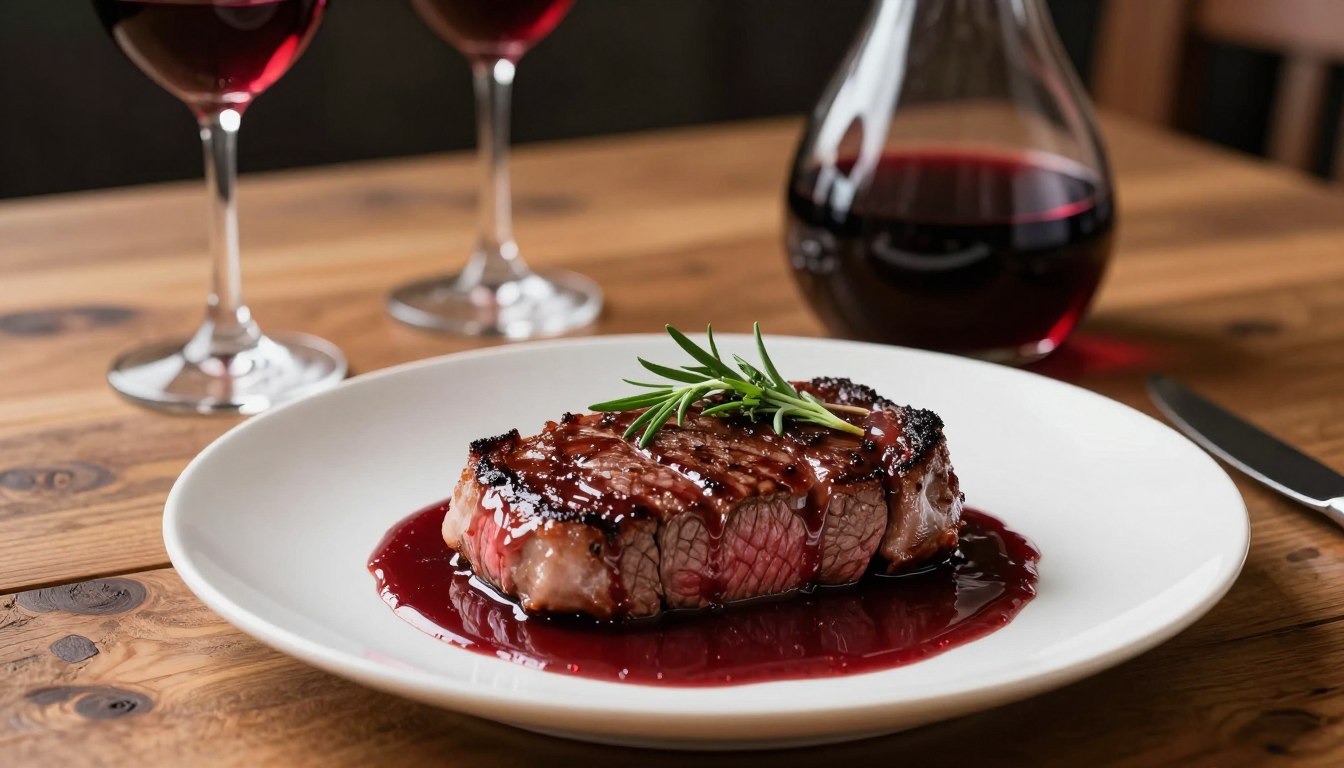
Welcome to the world of fine dining, where simple ingredients transform into an extraordinary culinary experience. Mastering a classic Steak with Red Wine Sauce is a fundamental skill for any home cook who wants to impress guests.
This elegant dish brings together tender beef and a rich, velvety reduction. By following this steak recipe, you will learn how to create a restaurant-quality meal right in your own kitchen.
We focus on using high-quality components to achieve the perfect balance of depth, acidity, and umami. Exploring these savory steak recipes gives you the confidence to elevate your dinner game. You will soon discover that crafting a professional red wine sauce is easier than you ever imagined.
Key Takeaways
- Learn the secrets to achieving a perfect sear on your beef.
- Understand how to build a complex, flavorful reduction from scratch.
- Discover the best cuts of meat for restaurant-style results.
- Master the timing required to balance acidity and richness.
- Gain the confidence to host elegant dinners at home.
Selecting the Best Cuts for Your Steak with Red Wine Sauce
The foundation of a truly memorable steak dinner begins long before you turn on the stove. Choosing the right cut of meat is the most critical step in ensuring your final dish is both tender and flavorful. By focusing on quality, you set the stage for a culinary masterpiece.
Understanding Marbling and Tenderness
When you examine a piece of beef, look closely at the white flecks of fat distributed throughout the muscle. This intramuscular fat, known as marbling, is the secret to a juicy and flavorful steak. As the meat cooks, this fat renders down, basting the muscle fibers from the inside out.
“Cooking is like painting or writing a song. Just as there are only so many notes or colors, there are only so many flavors—it’s how you combine them that sets you apart.”
Wolfgang Puck
Higher levels of marbling generally result in a more tender eating experience. You should look for cuts that show consistent, fine white webbing rather than large, isolated chunks of fat. This balance ensures that every bite remains succulent even when cooked at high temperatures.
Recommended Beef Cuts for Pan-Searing
Not every cut of beef reacts the same way to the intense heat of a skillet. For a pan-seared steak, you want a cut that is naturally tender and benefits from a quick, high-heat sear. The ribeye is a top choice because its generous marbling provides an incredible depth of flavor.
Alternatively, a New York strip steak offers a firmer texture with a robust beefy taste that stands up well to a rich red wine sauce. Both of these cuts are ideal for the pan-searing method, as they develop a beautiful, caramelized crust while keeping the interior perfectly cooked. Avoid tougher cuts like chuck or round, which require slow, moist cooking methods to break down their connective tissues.
Preparing Your Steak for the Perfect Sear
Once you have selected your ideal cut, proper preparation is essential for achieving a professional-grade crust. First, remove your steak from the refrigerator about 30 to 45 minutes before cooking. Allowing the meat to reach room temperature ensures that it cooks evenly throughout the center.
Next, use paper towels to pat the surface of the steak until it is completely dry. Moisture is the enemy of a good sear; if the surface is wet, the meat will steam instead of browning. Finally, season your steak generously with kosher salt just before it hits the hot pan to lock in the juices and create a savory exterior.
Mastering the Art of Cooking with Red Wine
When you master the nuances of cooking with red wine, you unlock a world of depth and complexity for your steak. This process is not just about adding liquid to a pan; it is about building layers of flavor that define a professional-grade meal.

Choosing the Right Wine for Your Sauce
Selecting the correct bottle is the foundation of a successful red wine sauce. You want a wine that complements the richness of the beef without overpowering it with sugar or excessive tannins.
Dry Red Wines to Consider
For the best results, reach for dry, full-bodied varieties. Cabernet Sauvignon and Merlot are excellent choices because they provide a robust structure that stands up well to high heat. Avoid sweet wines, as they can make your final sauce taste cloying and unbalanced.
Why Quality Matters in Cooking
Always cook with a wine that you would be happy to drink. If a wine tastes poor in the glass, it will taste even worse once it is concentrated in a pan. High-quality ingredients ensure that your sauce develops a clean, sophisticated flavor profile.
Deglazing Techniques for Maximum Flavor
Deglazing is the essential step of lifting the fond—the flavorful, browned bits stuck to the bottom of your skillet—into your sauce. Once you remove your steak, pour the wine into the hot pan while scraping the bottom with a wooden spoon. This technique incorporates those caramelized proteins directly into your liquid, creating an intense base for your sauce.
Reducing the Sauce to the Perfect Consistency
After deglazing, you must reduce the liquid to achieve the ideal texture. Allow the sauce to simmer steadily until it thickens enough to coat the back of a spoon. This reduction process concentrates the flavors, resulting in a luxurious, velvety finish that perfectly complements your perfectly seared steak.
Step-by-Step Guide to Preparing Savory Steak in Red Wine Sauce
Follow this guide to master the art of preparing a savory steak with red wine sauce in your own kitchen. By breaking down the process into manageable stages, you can achieve professional results every time. This steak recipe focuses on building deep, complex flavors through careful heat management and ingredient layering.
Seasoning and Preparing the Meat
Start by removing your steak from the refrigerator about thirty minutes before cooking. Bringing the meat to room temperature ensures an even cook throughout the center. Pat the surface completely dry with paper towels to guarantee a perfect crust during the searing process.
Generously season both sides of the beef with kosher salt and freshly cracked black pepper. Do not be afraid to use a liberal amount of seasoning, as this creates the foundation for your final dish. A well-seasoned exterior is the secret to a truly delicious meal.

Achieving the Ideal Sear
Heat a heavy-bottomed skillet, preferably cast iron, over medium-high heat until it is smoking slightly. Add a high-smoke point oil, such as avocado or grapeseed oil, to the pan. Carefully place the steak into the hot oil, ensuring you do not crowd the skillet.
Let the meat sear undisturbed for several minutes to develop a deep, golden-brown crust. Flip the steak once to ensure the other side achieves the same level of caramelization. This high-heat phase is essential for locking in the natural juices of the beef.
Building the Flavor Base with Aromatics
Once the steak is seared, reduce the heat to medium and add a knob of butter to the pan. Toss in minced shallots, smashed garlic cloves, and a sprig of fresh thyme or rosemary. The butter will foam, allowing the aromatics to infuse the pan with rich, savory notes.
Baste the steak with the flavored butter using a large spoon. This technique adds a layer of complexity that elevates your red wine sauce to a gourmet level. Continue basting until the steak reaches your desired internal temperature.
Incorporating the Red Wine and Finishing the Sauce
Remove the steak from the pan and let it rest on a warm plate. Pour a generous splash of dry red wine into the hot skillet to deglaze, scraping up all the browned bits from the bottom. Allow the liquid to reduce by half until it reaches a syrupy consistency.
Whisk in a small amount of cold butter at the very end to give the sauce a glossy finish. You now know how to make steak with red wine sauce that rivals your favorite bistro. Serve the sauce immediately over your rested steak for the best experience.
| Cooking Stage | Action Required | Goal |
|---|---|---|
| Preparation | Dry and season meat | Ensure crust formation |
| Searing | High heat, minimal movement | Develop Maillard reaction |
| Aromatics | Butter, garlic, herbs | Build flavor depth |
| Reduction | Deglaze with wine | Create sauce consistency |
Elevating Your Meal with Proper Steak and Wine Pairing
Transforming a home-cooked meal into a fine dining experience relies on the harmony between your plate and your glass. When you prepare savory steak recipes, the final result depends on how well you balance the intensity of the meat with the right accompaniments. Thoughtful choices turn a standard dinner into a memorable event.
Matching Wine Profiles to Your Steak
The secret to a successful steak and wine pairing lies in understanding how tannins interact with fat. High-tannin wines, such as Cabernet Sauvignon or Malbec, act as a palate cleanser against the rich marbling of a prime cut. You should aim for a wine that matches the intensity of your sauce to ensure neither element overpowers the other.
Acidity also plays a vital role in your selection. A wine with bright acidity will cut through the richness of a red wine reduction, keeping your palate refreshed throughout the meal. Always consider the weight of the wine when choosing a bottle to serve with your gourmet steak dishes.
Complementary Side Dishes for Gourmet Steak Dishes
Selecting the right sides provides the necessary textural contrast to your main course. You want to avoid sides that are too heavy, as they can make the meal feel sluggish. Instead, focus on ingredients that offer a balance of sweetness, earthiness, and brightness.
Roasted Vegetables and Starch Pairings
Roasted root vegetables like carrots or parsnips bring a natural sweetness that pairs beautifully with the savory notes of a red wine sauce. For starches, a creamy potato purée or a rustic polenta provides a smooth base that absorbs the flavorful juices from the steak. These additions help round out your savory steak recipes by providing a satisfying mouthfeel.
Balancing Richness with Fresh Herbs
Incorporating fresh herbs into your side dishes is an excellent way to add a layer of complexity. A sprinkle of fresh parsley or chives over your vegetables can brighten the entire plate. This simple step ensures that your steak and wine pairing remains balanced and vibrant from the first bite to the last.
| Steak Cut | Wine Recommendation | Ideal Side Dish |
|---|---|---|
| Ribeye | Cabernet Sauvignon | Roasted Garlic Potatoes |
| Filet Mignon | Pinot Noir | Glazed Carrots |
| New York Strip | Syrah | Creamy Polenta |
Common Mistakes to Avoid When Making Steak with Red Wine Sauce
Even the most seasoned home chefs can stumble when preparing a complex dish like steak with red wine sauce. While the process seems straightforward, small errors in timing or temperature can significantly impact the final texture and flavor profile of your meal.
Preventing Overcooked or Tough Meat
The most frequent error involves overcooking the beef, which leads to a dry and chewy texture. Always use a meat thermometer to track the internal temperature, pulling the steak off the heat just before it reaches your desired doneness. Resting the meat for at least ten minutes is essential, as this allows the juices to redistribute throughout the fibers.
Avoiding Bitter or Over-Reduced Sauces
A common pitfall when crafting a red wine sauce is allowing it to reduce for too long. If the liquid evaporates too much, the sugars concentrate, often resulting in a bitter or overly salty finish. If you find your sauce becoming too thick, whisk in a small amount of beef stock or cold butter to restore the proper consistency.
“Cooking is a subject you can never know enough about. There is always something new to discover.”
Julia Child
Managing Heat Levels During the Cooking Process
Maintaining consistent heat is vital for a successful steak with red wine sauce. High heat is necessary for the initial sear, but you must lower the flame when adding aromatics or wine to prevent burning. Rapid temperature fluctuations can break the emulsion of your sauce, leaving it greasy rather than velvety.
| Common Error | Resulting Issue | Quick Fix |
|---|---|---|
| High heat during reduction | Bitter, burnt flavor | Add splash of stock |
| Skipping the rest period | Tough, dry meat | Rest for 10 minutes |
| Using low-quality wine | Sour or flat sauce | Use dry, drinkable wine |
By identifying these common mistakes early, you can ensure your red wine sauce is consistently delicious. Careful attention to your heat levels and timing will help you achieve a professional result every time you step into the kitchen.
Conclusion
Mastering the preparation of a savory steak with red wine sauce represents a rewarding culinary achievement. You bring restaurant-quality flavors into your home by focusing on high-quality ingredients and precise heat control.
Your kitchen becomes a space for creativity once you understand the balance of acidity and fat. You possess the tools necessary to create a memorable meal for your family or guests.
Experiment with different wine varieties like a bold Cabernet Sauvignon or a smooth Merlot to suit your personal taste. Try pairing your dish with roasted root vegetables or creamy mashed potatoes to round out the experience.
Practice these fundamental skills to make gourmet steak dishes feel like second nature. Share your favorite wine pairings or cooking tips with fellow home chefs to keep the inspiration flowing. Your journey toward culinary excellence starts with your next sear.
FAQ
What are the best beef cuts to use for a professional steak recipe featuring a red wine sauce?
For the best results, you should select cuts known for their excellent marbling and tenderness, such as a Certified Angus Beef ribeye or a New York Strip. These cuts provide the necessary intramuscular fat that melts during the searing process, creating a juicy interior that perfectly complements a rich red wine sauce. If you are looking for ultimate luxury, a Snake River Farms American Wagyu filet mignon is also an exceptional choice for gourmet steak dishes.
How to make steak with red wine sauce that has a smooth, restaurant-quality consistency?
The secret lies in the reduction process and the “mounting” of the sauce with butter. After you have reduced your wine—ideally a dry variety like a Louis M. Martini Cabernet Sauvignon—to a syrupy consistency, you should whisk in cold cubes of high-quality butter, such as Kerrygold, right before serving. This emulsification creates a velvety texture and a glossy finish that defines professional savory steak recipes.
Which specific varieties are recommended for cooking with red wine to avoid an overly sweet sauce?
When cooking with red wine, you should always reach for a dry, full-bodied red with moderate tannins. Avoid wines labeled “sweet” or “jammy.” Instead, look for a Josh Cellars Cabernet Sauvignon, a Malbec, or a Merlot from Duckhorn Vineyards. These wines provide the deep acidity and structure needed to balance the fat of the steak without adding unwanted sugar to your red wine sauce.
What is the most effective steak and wine pairing for this specific dish?
A successful steak and wine pairing involves matching the intensity of the meat with the characteristics of the wine. Since your steak is served with a concentrated reduction, you should pour a glass of the same wine used in the sauce, or a similar bold red like a Silver Oak Cabernet Sauvignon. This creates a cohesive flavor profile where the tannins in the wine cut through the richness of the beef, enhancing the overall experience of your gourmet steak dishes.
How can I prevent my red wine reduction from becoming bitter or too salty?
Bitterness often occurs if the heat is too high or if the wine is reduced too quickly. You should maintain a gentle simmer and taste your sauce frequently. Additionally, be cautious with salt; as the liquid evaporates, the salt concentration increases. To maintain the balance in your savory steak recipes, use a low-sodium beef stock like Kitchen Basics if you are extending the sauce, and only add final seasoning at the very end of the cooking process.
Why is deglazing a critical step when preparing a steak with red wine sauce?
Deglazing is the process of adding liquid to your hot skillet to loosen the “fond,” which are the caramelized browned bits of meat stuck to the bottom after searing. These bits are concentrated “umami” bombs. By using a quality red wine to deglaze, you incorporate all that deep, roasted flavor directly into your sauce, which is a fundamental technique for anyone learning how to make steak with red wine sauce at home.