
Elevate Your Meal with Perfectly Cooked T-Bone Steak
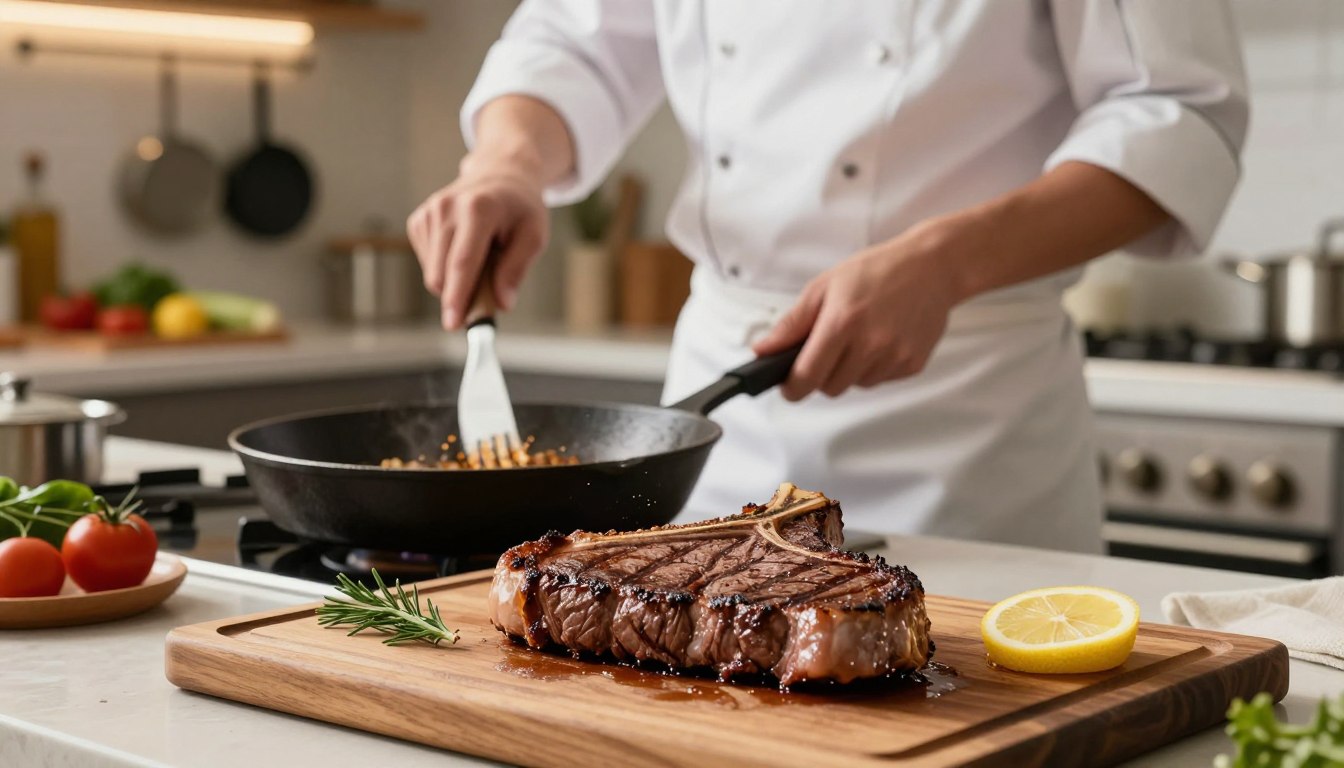
Few culinary experiences rival the satisfaction of preparing a premium T-Bone Steak at home. This iconic cut is prized for its unique dual-muscle composition, featuring a tender filet on one side and a flavorful strip on the other. Mastering this centerpiece allows you to transform a standard dinner into a restaurant-quality event.
If you want to impress your guests, learning how to cook t-bone steak with professional precision is essential. Achieving the perfect sear while maintaining a juicy, tender interior requires confidence and the right technique. By following these expert methods, you will gain the skills needed to handle this impressive cut with ease.
Prepare to elevate your kitchen game and serve a meal that highlights your dedication to quality. Let us begin your journey toward culinary excellence.
Key Takeaways
- Understand the dual-muscle structure of this premium cut.
- Learn the importance of proper temperature control for even cooking.
- Discover techniques to achieve a professional-grade crust.
- Master the art of resting meat to lock in natural juices.
- Gain the confidence to serve high-quality meals to your guests.
Understanding the Anatomy of a T-Bone Steak
To truly master the art of grilling, you must first understand the unique architecture of a T-Bone Steak. This iconic cut is defined by its signature T-shaped lumbar vertebra, which acts as a natural divider between two of the most prized sections of the cow.
On one side of the bone, you will find the strip steak, known for its bold beefy flavor and firm texture. On the other side sits the tenderloin, a smaller muscle celebrated for its buttery, melt-in-your-mouth consistency. This combination offers the best of both worlds in a single serving.
Distinguishing T-Bone from Porterhouse
Many home cooks confuse the T-Bone Steak with the Porterhouse, but the difference is primarily a matter of scale. While both cuts share the same T-shaped bone structure, the Porterhouse is essentially a larger version of the T-Bone.
“The quality of your ingredients is the foundation of every great meal, and choosing the right cut is where the journey begins.”
The USDA classifies a cut as a Porterhouse only if the tenderloin portion is at least 1.25 inches wide at its thickest point. If the filet side is smaller than that, it is labeled as a standard T-Bone Steak. Knowing this distinction helps you manage your expectations regarding portion size and cooking time.
Selecting the Best Cut at the Butcher Shop
When you visit your local butcher, your eyes are your best tools for finding a high-quality T-Bone Steak. Look for meat that displays a vibrant, cherry-red color and firm, white fat.
Keep these expert tips in mind to ensure you bring home the best possible product:
- Marbling: Seek out fine, white flecks of intramuscular fat, which melt during cooking to provide moisture and flavor.
- Thickness: Aim for a cut that is at least 1.5 inches thick to prevent the meat from overcooking before a good crust forms.
- Bone Integrity: Ensure the T-bone is clean and intact, as this helps the meat cook evenly throughout the process.
By selecting a T-Bone Steak with these characteristics, you set yourself up for a successful and delicious dining experience. Quality selection is the most important step in your culinary preparation.
Preparing Your Steak for Culinary Success
Achieving the perfect steakhouse experience at home starts long before the meat hits the heat. Taking the time to properly handle your cut is the foundation of the best t-bone steak recipe you will ever create. By following a few simple technical steps, you ensure that your final result is tender, juicy, and perfectly browned.
The Importance of Room Temperature Tempering
One of the most common mistakes home cooks make is placing a cold steak directly onto a hot surface. When the meat is cold, the exterior may burn before the center reaches your desired level of doneness. Patience is key during this phase of the process.
Remove your steak from the refrigerator about 30 to 45 minutes before you plan to cook. This allows the internal temperature to rise, promoting even heat distribution throughout the thickest parts of the cut. Tempering ensures that your steak cooks uniformly from edge to edge.
Patting Dry for the Ultimate Sear
Surface moisture is the enemy of a beautiful, golden-brown crust. If the surface of your steak is wet, the heat will be used to evaporate that water rather than searing the meat. This often leads to a gray, steamed appearance instead of a delicious, caramelized finish.
Use clean paper towels to pat the entire surface of the steak until it is completely dry. Do not skip this step, as it is essential for achieving a professional sear. A dry surface reacts quickly with high heat to create deep, complex flavors.
Applying the Best T-Bone Steak Seasoning
Once your steak is dry and tempered, it is time to add flavor. A high-quality t-bone steak seasoning should enhance the natural beefy profile rather than mask it. Many chefs prefer a simple blend of coarse kosher salt and freshly cracked black pepper.
Apply your seasoning generously to all sides of the steak, including the edges. Press the spices firmly into the meat to ensure they adhere during the cooking process. This simple application creates a savory crust that elevates every single bite.
Mastering the T-Bone Steak Marinade
Deciding whether to marinate your steak is a pivotal choice for any home cook. While you might be tempted to soak your meat in complex liquids, the best t-bone steak recipe often relies on the natural, rich flavor of the beef itself. Understanding when to introduce extra ingredients is the secret to professional results.
When to Marinate and When to Keep it Simple
High-quality T-bone steaks are prized for their tenderness and marbling. Because these cuts are already flavorful, a heavy t-bone steak marinade can sometimes mask the delicate taste of the meat. In many cases, a simple dry rub of kosher salt and cracked black pepper is all you need to achieve a perfect crust.
However, you should consider a marinade if you want to experiment with specific flavor profiles or if you are working with a cut that needs a little extra help. Keep these guidelines in mind:
- Keep it simple: Use only salt and pepper for prime, well-marbled cuts to highlight the beef’s inherent richness.
- Use a marinade: Apply a light soak if you want to infuse the meat with specific aromatics like rosemary or garlic.
- Timing matters: Never marinate for more than a few hours, as the acid can break down the texture too much.
Balancing Acid and Aromatics for Flavor Depth
If you choose to use a t-bone steak marinade, balance is essential. The goal is to create a profile that complements the beef rather than overpowering it. You must carefully manage the ratio of acidic components to aromatic elements.
Acids like balsamic vinegar, lemon juice, or soy sauce help tenderize the surface and add brightness. You can pair these with aromatics to build complexity:
Fresh herbs such as thyme, rosemary, or parsley provide an earthy contrast to the fat. Meanwhile, garlic and shallots offer a savory punch that deepens the overall flavor. Always ensure your marinade is well-emulsified so that the flavors penetrate the meat evenly during the resting period.
Achieving the Perfect Sear on a T-Bone Steak
Mastering the sear is the most important step in your journey to cooking the perfect T-Bone Steak. A deep, flavorful crust not only enhances the visual appeal of your meal but also locks in the savory juices that make this cut so desirable. When you understand the mechanics of high-heat cooking, you elevate your home kitchen to professional standards.

Choosing Between Cast Iron and Grill
Deciding on your cooking surface depends on the flavor profile you want to achieve. A heavy cast iron skillet is excellent for creating a uniform, golden-brown crust across the entire surface of the meat. Because the skillet maintains heat consistently, it is often the preferred method for those learning how to cook t-bone steak with precision.
Conversely, using a t-bone steak grill setup introduces a smoky, charred essence that many enthusiasts crave. While a grill requires more attention to prevent flare-ups, it provides those iconic sear marks that define a classic steakhouse experience. Consider these factors when choosing your tool:
- Cast Iron: Best for consistent crust and butter-basting.
- Grill: Ideal for smoky flavor and aesthetic char marks.
Managing Heat Zones for Even Cooking
Because a T-Bone Steak contains two different muscles—the strip and the tenderloin—managing heat is vital. You should create a two-zone fire on your t-bone steak grill to ensure both sides reach the desired doneness without burning the exterior. Place the steak over direct heat for the initial sear, then move it to the cooler side to finish gently.
“The secret to a perfect steak is controlling the environment, not just the flame.”
The Science of the Maillard Reaction
The delicious, browned crust you see on a high-quality T-Bone Steak is the result of the Maillard reaction. This chemical process occurs when amino acids and reducing sugars react under high heat, typically above 300°F. It creates hundreds of different flavor compounds that are essential to the overall taste of the meat.
To trigger this reaction effectively, ensure your surface is hot before the meat touches it. If you are wondering how to cook t-bone steak with maximum flavor, remember that moisture is the enemy of the sear. Always pat your steak dry to ensure the heat works on browning the surface rather than steaming the meat.
Monitoring T-Bone Steak Temperature for Doneness
Monitoring your t-bone steak temperature is the most reliable way to ensure a professional result every time you fire up the grill or stove. When you understand how to cook t-bone steak with precision, you eliminate the guesswork that often leads to dry or unevenly cooked meat. Consistent results depend on your ability to track the internal heat of the beef accurately.
Internal Temperature Guide for Rare to Well-Done
Different preferences for doneness require specific internal temperatures. Use the following guide to ensure your steak reaches your desired level of quality.
| Doneness Level | Internal Temperature (°F) | Description |
|---|---|---|
| Rare | 120°F – 125°F | Cool red center |
| Medium-Rare | 130°F – 135°F | Warm red center |
| Medium | 140°F – 145°F | Warm pink center |
| Medium-Well | 150°F – 155°F | Slightly pink center |
| Well-Done | 160°F+ | Little to no pink |
Using a Digital Meat Thermometer Correctly
To get an accurate reading, insert your digital thermometer into the thickest part of the meat. Be careful to avoid hitting the bone, as the bone conducts heat differently and will provide a false reading. Always aim for the center of the strip or filet portion to ensure the t-bone steak temperature is measured where the meat is densest.
The Crucial Step of Resting Your Meat
Once your steak reaches the target temperature, remove it from the heat immediately. Resting your meat for at least five to ten minutes is a non-negotiable step in the process. This pause allows the muscle fibers to relax and the juices to redistribute throughout the cut, ensuring every bite remains tender and flavorful.
Elevating Your Meal with T-Bone Steak Side Dishes
Your T-bone steak deserves a supporting cast that highlights its bold, savory profile. When you plan your menu, choosing the right t-bone steak side dishes can transform a simple dinner into a restaurant-quality event. The goal is to find a balance between the rich, fatty nature of the beef and lighter, acidic, or earthy elements.

Classic Steakhouse Vegetable Pairings
Vegetables provide the necessary contrast to the heavy protein of a T-bone. Creamed spinach is a timeless choice because its velvety texture cuts through the intensity of the meat. You might also consider roasted asparagus finished with a squeeze of fresh lemon juice.
The acidity from the lemon helps cleanse your palate between bites. Other excellent options include charred Brussels sprouts or sautéed mushrooms with garlic. These t-bone steak side dishes add depth and color to your plate while keeping the meal feeling fresh.
Starch Options to Complement the Richness
A hearty starch is essential for soaking up the flavorful juices left on your plate. Classic mashed potatoes with plenty of butter and chives remain a top contender for many home chefs. If you prefer something with more texture, try roasted fingerling potatoes seasoned with rosemary and sea salt.
For a slightly lighter approach, consider a wild rice pilaf or a baked sweet potato. These options provide a subtle sweetness that pairs beautifully with the charred crust of your steak. Remember that the best t-bone steak side dishes are those that do not overpower the natural flavor of the beef.
Selecting Wines and Beverages for Your Steak
The right drink can elevate your entire dining experience to a new level. A bold red wine, such as a Cabernet Sauvignon or a Malbec, is often the preferred choice for a T-bone. These wines contain tannins that interact with the fat in the steak to create a smoother mouthfeel.
If you prefer non-alcoholic options, a sparkling mineral water with a slice of lime offers a crisp, refreshing finish. You could also serve a robust iced tea or a craft root beer to complement the smoky notes of the grill. Ultimately, your beverage choice should reflect your personal taste while respecting the strength of the main course.
Common Mistakes to Avoid When Cooking T-Bone Steak
Even the most experienced home cooks can struggle when preparing a premium cut of meat. Achieving consistent results requires patience and a clear understanding of how different parts of the beef react to heat. By identifying these common errors early, you can ensure your next meal is a success.
Preventing Overcooking the Filet Side
The primary challenge with a T-Bone Steak is the difference in size between the strip and the filet. Because the filet is smaller and leaner, it often cooks much faster than the larger strip side. If you treat the entire cut as a uniform piece, you risk drying out the most tender portion of the meat.
To avoid this, position the filet side away from the direct heat source during the final stages of cooking. You can also use a small piece of foil to shield the filet if it begins to brown too quickly. This simple adjustment helps maintain the delicate texture of the filet while the strip side finishes to your preferred level of doneness.
Avoiding Common Grilling Pitfalls
When you use a t-bone steak grill setup, managing your heat zones is essential for success. Many beginners make the mistake of using only one temperature zone, which leads to uneven charring or burnt edges. Consider these common pitfalls to keep your cooking process smooth:
- Ignoring heat zones: Always maintain a hot side for searing and a cooler side for finishing.
- Overcrowding the grill: Ensure there is enough space for air to circulate around the meat.
- Frequent flipping: Resist the urge to move the steak constantly, as this prevents a proper crust from forming.
“The secret to a perfect steak is not just the quality of the beef, but the precision of your heat management throughout the entire cooking process.”
Why Restaurant Quality is Achievable at Home
Many people believe that a t-bone steak restaurant experience is impossible to replicate in a home kitchen. However, with the right tools and a bit of practice, you can easily achieve professional results. The difference often lies in preparation, such as proper seasoning and allowing the meat to rest before serving.
Focusing on the internal temperature rather than just the cooking time is the hallmark of a skilled cook. When you master these techniques, you will find that your home-cooked T-Bone Steak rivals any high-end establishment. You have the power to create a memorable dining experience right in your own home.
Conclusion
Transforming a raw T-Bone steak into a masterpiece requires patience and precision. You now possess the essential skills to select, season, and sear this premium cut with confidence. Every step from tempering the meat to monitoring internal temperatures builds your reputation as a skilled home chef.
Great meals rely on your ability to balance heat and timing. You have the tools to avoid common pitfalls and elevate your dining experience to match the quality of top-tier steakhouses like Peter Luger or Gibson’s. Your kitchen is now a space for creating memorable flavors.
Share your results with friends and family to showcase your new expertise. Experiment with different wood chips on your grill or try new cast iron techniques to refine your personal style. Your journey toward the perfect steak continues with every meal you prepare.
FAQ
What is the primary difference between a T-Bone and a Porterhouse steak?
While both cuts feature the iconic T-shaped bone, the main difference lies in the size of the tenderloin. According to USDA specifications, a Porterhouse must have a tenderloin section at least 1.25 inches thick, whereas a t-bone steak typically has a smaller filet portion, usually measuring between 0.5 and 1.24 inches. Both offer the unique experience of a strip and a filet in one cut, but the Porterhouse is simply a larger version from the rear end of the short loin.
How do I choose the best t-bone steak at the butcher shop?
Look for high-quality marbling, which refers to the small white flecks of intramuscular fat. This fat melts during the cooking process, providing the flavor and tenderness you expect from a t-bone steak restaurant. Ensure the meat has a bright, cherry-red color and that the fat cap is firm and white. If you are shopping at a high-end grocer like Whole Foods Market, ask the butcher for a “center-cut” to ensure the most even thickness.
Why is it necessary to let the meat reach room temperature before learning how to cook t-bone steak?
Tempering your meat for about 30 to 45 minutes before it hits the heat is essential for even cooking. If you take a cold steak directly from the refrigerator to a t-bone steak grill, the exterior will likely overcook or char before the center reaches your desired t-bone steak temperature. This simple step ensures the heat penetrates the thick muscle fibers uniformly.
What is the secret to getting a professional, crusty sear on the meat?
The key to the best t-bone steak recipe is moisture control. You must use paper towels to pat the surface of the meat bone-dry before applying your t-bone steak seasoning. Removing surface moisture allows the Maillard reaction—a chemical reaction between amino acids and reducing sugars—to occur immediately upon contact with the heat, resulting in a savory, deep-brown crust rather than gray, steamed meat.
Should I use a t-bone steak marinade or stick to a dry rub?
It depends on the quality of the cut. For a premium, dry-aged steak, a simple t-bone steak seasoning of Maldon sea salt and freshly cracked black pepper is often best to highlight the natural beef flavor. However, if you want to add complexity, a t-bone steak marinade featuring olive oil, balsamic vinegar, smashed garlic cloves, and Fresh rosemary can tenderize the fibers and add incredible depth if left for two to four hours.
What is the ideal internal t-bone steak temperature for medium-rare?
For a perfect medium-rare finish, aim for an internal temperature of 130°F to 135°F. You should remove the steak from the heat when your ThermoPro or Meater digital thermometer reads 125°F, as “carryover cooking” will cause the temperature to rise while the meat rests. This ensures the best t-bone steak recipe remains juicy and tender.
How can I prevent the smaller filet side from overcooking on the grill?
Because the filet is leaner and smaller than the strip side, it cooks faster. When using a t-bone steak grill, position the steak so the tougher strip side is over the direct high heat, while the delicate filet side is angled toward a cooler zone. This heat management is a hallmark of how to cook t-bone steak like a professional chef.
What are the best t-bone steak side dishes to serve for a restaurant-quality meal?
To balance the richness of the beef, classic t-bone steak side dishes include creamed spinach, honey-glazed carrots, or a loaded baked potato with Kerrygold butter. For a beverage pairing, a bold red wine like a Robert Mondavi Cabernet Sauvignon provides the necessary tannins to cut through the fat of the steak, elevating your home dining experience to a professional level.