
Tandoori Chicken: Spicy, Flavorful, and Easy to Make
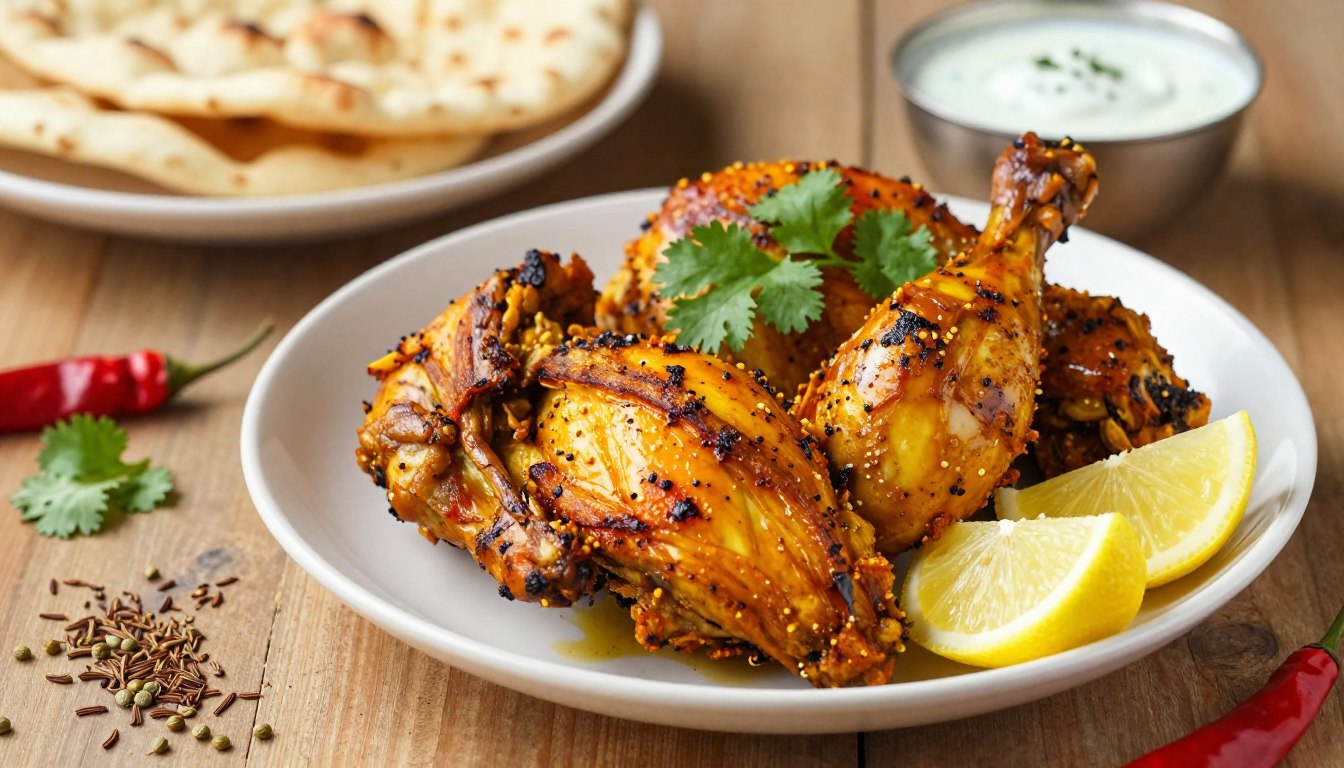
Imagine biting into a piece of meat that is perfectly charred, incredibly tender, and bursting with bold, smoky spices. Tandoori Chicken is a legendary dish that brings the vibrant heat of South Asian cuisine directly to your dinner table. It is famous for its signature red hue and deep, complex flavor profile.
You might think this restaurant staple is too difficult to master at home, but that is far from the truth. By following a traditional recipe, you can easily recreate this culinary masterpiece in your own kitchen. Whether you are hosting a weekend gathering or simply want to elevate your weeknight meal, this dish offers a reliable way to impress your guests.
The secret lies in the marinade, which infuses every fiber with aromatic spices and tangy yogurt. Once you learn the basics, you will find that making Tandoori Chicken is a rewarding experience that delivers professional results every single time.
Key Takeaways
- Learn the secrets to achieving a perfect smoky char at home.
- Discover how a simple yogurt marinade creates incredibly tender meat.
- Master the essential spice blend that defines this classic dish.
- Save time by preparing your marinade in advance for deeper flavor.
- Bring restaurant-quality meals to your kitchen with ease.
The Origins and Cultural Significance of Tandoori Chicken
Tandoori Chicken is more than just a meal; it is a culinary journey through history. This iconic dish has traveled from ancient clay pits to the kitchens of modern homes, becoming a beloved staple of indian cuisine worldwide.

Understanding the Traditional Tandoor Oven
The heart of this dish is the tandoor, a cylindrical clay oven that has been used for centuries. These ovens are typically buried in the ground or built into a base, allowing them to retain intense heat for long periods.
When you cook in a tandoor, the heat radiates from the walls, creating a unique environment. This high-heat cooking method ensures the meat stays succulent on the inside while developing a signature charred exterior that is difficult to replicate.
Evolution of the Dish in Indian Cuisine
While the tandoor has existed for millennia, the specific preparation of marinated chicken became popular in the 20th century. It transformed from a regional specialty into a global phenomenon, representing the rich diversity found within indian cuisine.
Today, the dish serves as a bridge between traditional techniques and contemporary tastes. Whether served in a high-end restaurant or a casual setting, it remains a testament to the enduring appeal of bold, smoky flavors.
| Feature | Traditional Tandoor | Modern Home Oven |
|---|---|---|
| Heat Source | Charcoal/Wood | Electric/Gas |
| Temperature | Up to 900°F | Up to 550°F |
| Flavor Profile | Deeply Smoky | Mildly Roasted |
| Texture | Crispy Char | Tender Roast |
Essential Spices and Ingredients for Authentic Flavors
The secret to restaurant-quality results lies in the specific quality of your yogurt and spice blends. Achieving authentic flavors requires a precise balance of high-quality ingredients that work together to tenderize and season the meat. By focusing on these core components, you can easily replicate the deep, complex notes found in traditional Indian cuisine.

Selecting the Right Yogurt for the Base
Your choice of dairy is the foundation of a successful marinade. You should always opt for a full-fat, plain Greek yogurt to ensure the mixture remains thick and clings to the chicken. The natural acidity in the yogurt works to break down the proteins, resulting in a tender texture that melts in your mouth.
The Role of Kashmiri Chili Powder and Garam Masala
These two spices are the backbone of the dish’s signature profile. Kashmiri chili powder is prized for its vibrant red color, which provides a stunning visual appeal without overwhelming the palate with excessive heat. Meanwhile, garam masala adds a complex layer of warmth and earthiness that defines the aromatic character of the meal.
Preparing the Chicken for Maximum Absorption
Proper preparation ensures that your marinade penetrates deep into the muscle fibers. Before applying your spice mixture, use a sharp knife to make deep, diagonal cuts across the thickest parts of the chicken. This simple technique allows the yogurt and spices to reach the bone, ensuring that every bite is packed with authentic flavors characteristic of fine Indian cuisine.
Mastering the Perfect Marinade
Your journey toward authentic flavors begins with understanding the chemistry behind a well-balanced marinade. The right mixture does more than just add taste; it physically transforms the texture of the meat to ensure a succulent result every time.
Balancing Acidity and Creaminess
A successful marinade relies on the interplay between acidic components and creamy bases. Ingredients like lemon juice or yogurt provide the necessary acidity to break down tough proteins, which tenderizes the chicken effectively.
Meanwhile, the creamy element acts as a carrier for your spices. This thick coating ensures that the seasoning clings to the surface of the meat rather than sliding off during the cooking process.
Why Marination Time Matters
Patience is a vital ingredient when you want to achieve deep, professional results. Allowing the chicken to rest in the mixture for an extended period is crucial for the deep penetration of flavors into the muscle fibers.
If you rush this step, the seasoning will only sit on the surface. By giving the meat enough time, you allow the spices to infuse the chicken completely, resulting in a much more flavorful final dish.
Tips for Scoring the Chicken
Before you submerge the meat, you should use a sharp knife to make shallow cuts across the thicker parts of the chicken. This simple technique is essential for ensuring the marinade reaches every part of the meat for consistent results.
Scoring the chicken creates small pockets where the liquid can settle. This method guarantees that you get authentic flavors in every single bite, even in the deepest sections of the breast or thigh.
Preparing Tandoori Chicken in a Standard Home Oven
Transforming your kitchen into a tandoor-style cooking space requires only a few simple adjustments. You do not need a professional clay oven to achieve excellent results, as a standard home oven can be adapted for high-heat roasting. By following these techniques, you can create a delicious Tandoori Chicken that rivals your favorite restaurant dish.
Setting Up Your Oven for High-Heat Roasting
To mimic the intense heat of a traditional tandoor, you must preheat your oven to its highest setting. Most home ovens reach between 500°F and 550°F, which is ideal for this process. Ensure your oven is fully preheated for at least 20 minutes before you begin cooking your oven-baked masterpiece.
Using a Baking Rack for Even Airflow
Proper airflow is essential for ensuring your chicken cooks evenly on all sides. Place a wire cooling rack over a rimmed baking sheet to elevate the meat. This setup allows the hot air to circulate underneath the chicken, preventing it from sitting in its own juices and becoming soggy. This simple step ensures that your marinade stays intact while the meat cooks through perfectly.
Achieving the Charred Look Without a Tandoor
The signature charred exterior of Tandoori Chicken is usually a result of direct contact with fire. You can replicate this effect by using your oven’s broiler during the final minutes of cooking. Watch the chicken closely during this stage to ensure the spices caramelize without burning. This final touch provides that authentic, smoky finish to your oven-baked meal.
| Feature | Traditional Tandoor | Home Oven |
|---|---|---|
| Heat Source | Direct Charcoal/Wood | Electric/Gas Elements |
| Temperature | Up to 900°F | 500°F – 550°F |
| Cooking Time | Very Fast | Moderate |
| Flavor Profile | Deeply Smoky | Richly Spiced |
By carefully managing your heat and using the right tools, you can master the marinade absorption and texture of this classic dish. Consistency is key when working with high temperatures in a home environment. Enjoy the process of bringing these bold, traditional flavors into your own home kitchen.
Alternative Cooking Methods for Grilled Chicken
While many cooks rely on an oven-baked approach, exploring different heat sources can elevate your culinary game. You do not need a traditional clay oven to achieve professional results at home. By adjusting your technique, you can capture that signature flavor using tools you likely already own.
Using an Outdoor Charcoal Grill
If you crave the deep, smoky essence of a traditional fire, an outdoor charcoal grill is your best option. The intense heat from the coals creates a beautiful crust that is difficult to replicate elsewhere. To prepare grilled chicken, arrange your coals to create a two-zone fire.
Place the meat over direct heat for a quick sear, then move it to the cooler side to finish cooking through. This method ensures the exterior develops a perfect char while the inside remains tender and juicy. Always monitor the internal temperature to ensure the meat reaches a safe level of doneness.
Utilizing a Cast Iron Skillet for Indoor Grilling
For those who prefer indoor cooking, a heavy-duty cast iron skillet is an essential tool. Its ability to retain heat makes it perfect for achieving a restaurant-quality sear on your grilled chicken. Preheat your skillet until it is smoking hot before adding the marinated pieces.
This technique mimics the high-heat environment of a tandoor by locking in moisture and creating a flavorful crust. Ensure you have proper ventilation in your kitchen, as this method can produce significant smoke. Using a splatter screen can also help keep your stovetop clean during the process.
Safety Tips for High-Heat Cooking
Managing high temperatures requires focus and the right safety precautions. Whether you are working indoors or outdoors, keeping your environment secure is vital for a successful meal. Follow these guidelines to protect yourself and your home:
- Keep a fire extinguisher nearby when cooking with high heat, especially when using charcoal.
- Always use long-handled tongs to maintain a safe distance from the heat source.
- Ensure your cooking area is well-ventilated to prevent the buildup of smoke or carbon monoxide.
- Never leave your grill or hot skillet unattended, as high-heat cooking can escalate quickly.
Serving Suggestions and Traditional Accompaniments
Elevating your meal requires the right side dishes to balance the bold spices of your main course. When you serve grilled chicken, the goal is to provide a cooling contrast that highlights the complex marinade. Thoughtful pairings turn a simple dinner into an authentic culinary experience.
Pairing with Naan and Basmati Rice
Soft, pillowy naan is the perfect vessel for scooping up every bit of flavor from your plate. You should brush the warm bread with a touch of melted butter or garlic ghee to enhance its richness. This soft texture provides a necessary break from the charred exterior of your grilled chicken.
Basmati rice serves as a light, aromatic foundation for the meal. Its long, slender grains absorb the juices from the meat without becoming heavy or mushy. For the best results, steam the rice with a single cardamom pod or a small piece of cinnamon stick to infuse it with subtle fragrance.
Creating the Perfect Mint Chutney
A vibrant mint chutney is essential for adding a bright, herbaceous note to your table. You can easily prepare this by blending fresh mint leaves, cilantro, green chilies, and a splash of lime juice. The acidity of the lime cuts through the fat, ensuring each bite feels light and balanced.
If you prefer a creamier texture, stir in a spoonful of plain Greek yogurt. This addition creates a cooling sauce that tames the heat of the spices. Keep the chutney chilled until the very last moment to maintain its bright green color and refreshing temperature.
Adding Fresh Vegetables and Lemon Wedges
Crisp vegetables provide a satisfying crunch that contrasts beautifully with the tender grilled chicken. A simple salad of thinly sliced red onions, cucumbers, and tomatoes adds a refreshing finish to your plate. You can sprinkle these with a pinch of chaat masala to elevate the flavor profile instantly.
Never underestimate the power of a fresh lemon wedge served on the side. A quick squeeze of citrus juice over the meat right before eating awakens the spices and adds a zesty brightness. This simple step ensures that your meal remains lively and flavorful from the first bite to the last.
| Side Dish | Primary Function | Flavor Profile |
|---|---|---|
| Naan Bread | Texture/Scooping | Buttery and Soft |
| Basmati Rice | Base/Absorption | Light and Aromatic |
| Mint Chutney | Cooling/Acidity | Herbal and Zesty |
| Fresh Salad | Crunch/Refreshment | Crisp and Tangy |
Conclusion
Bringing the bold, smoky essence of Indian street food into your kitchen requires patience and attention to detail. You now possess the knowledge to balance complex spices with the right heat levels to achieve professional results.
Your journey toward perfecting this traditional recipe relies on your willingness to experiment with different marination times and cooking techniques. Every batch you prepare helps you refine your palate and adjust the spice profile to suit your personal preferences.
Sharing this meal with friends or family turns a simple dinner into a memorable culinary event. Use these methods to build your confidence as you explore the depth of flavor found in this timeless traditional recipe. Your kitchen is the best place to celebrate these vibrant culinary traditions.
FAQ
What exactly gives Tandoori Chicken its signature smoky profile and tender texture?
The unique profile of this staple Indian cuisine dish comes from the combination of a yogurt-based marinade and high-heat cooking. The acidity in the yogurt breaks down the muscle fibers, while the spices and high temperatures create a succulent interior and a bold, smoky exterior.
Can I achieve authentic flavors without owning a traditional clay tandoor oven?
Absolutely. While a tandoor provides a specific charred effect, you can replicate these authentic flavors using an oven-baked method in a standard home oven or by preparing grilled chicken on an outdoor charcoal grill. The key is managing high heat to mimic the intense environment of the clay oven.
Which spices are essential for a truly traditional recipe?
To stay true to a traditional recipe, you must use Kashmiri chili powder, which provides the vibrant red color without overwhelming heat, and Garam Masala for deep, aromatic warmth. These are the foundational elements that define the dish’s complex flavor profile.
Why is it necessary to score the chicken before applying the marinade?
Scoring, or making shallow cuts into the meat, is vital for maximum absorption. It allows your blend of spices and yogurt to penetrate deep into the thickest parts of the chicken, ensuring every bite is flavorful and helping the meat cook more evenly.
What type of yogurt works best for the marinade base?
You should look for a thick, full-fat yogurt that will cling to the meat rather than run off. Many professional chefs prefer Fage Total Greek Yogurt or Stonyfield Organic Plain Whole Milk Yogurt because their creamy consistency provides the perfect vehicle for the spices to adhere to the protein.
How can I get a charred look if I am using a standard home oven?
When making oven-bakedTandoori Chicken, set your oven to its highest roasting temperature and use a baking rack placed over a sheet pan. This setup promotes even airflow around the meat, allowing the heat to sear the surface and create those desirable charred spots without overcooking the inside.
What are the best safety tips for high-heat cooking methods?
When working with high temperatures, whether on a charcoal grill or a cast iron skillet, always use high-smoke-point oils and ensure your kitchen is well-ventilated. When grilling outdoors, maintain a clear perimeter around your grill and use long-handled tongs to avoid burns from flare-ups.
What traditional accompaniments should I serve with Tandoori Chicken?
To balance the heat of the grilled chicken, serve it with cooling sides like mint chutney and fresh lemon wedges. For a complete meal, pair the dish with fluffy Basmati rice and warm, buttery Naan bread to soak up the juices.